How to Vet a Confined Space Rescue Provider: 7 Questions Every Contractor Should Ask
August 18, 2026
Any organisation involved in confined space operations has to have a fully robust plan for safety management. This should involve thorough risk assessments, emergency plans and having trained and qualified personnel in nominated positions, particularly for rescue operations.
The acute safety risks of some confined space operations, means many businesses contract-out their confined space rescue operations, in order to ensure they have professional cover as and when they need it. And this means that businesses need to have a dedicated profile to work to and a set of strict criteria, around which a suitable confined space rescue team can be judged.
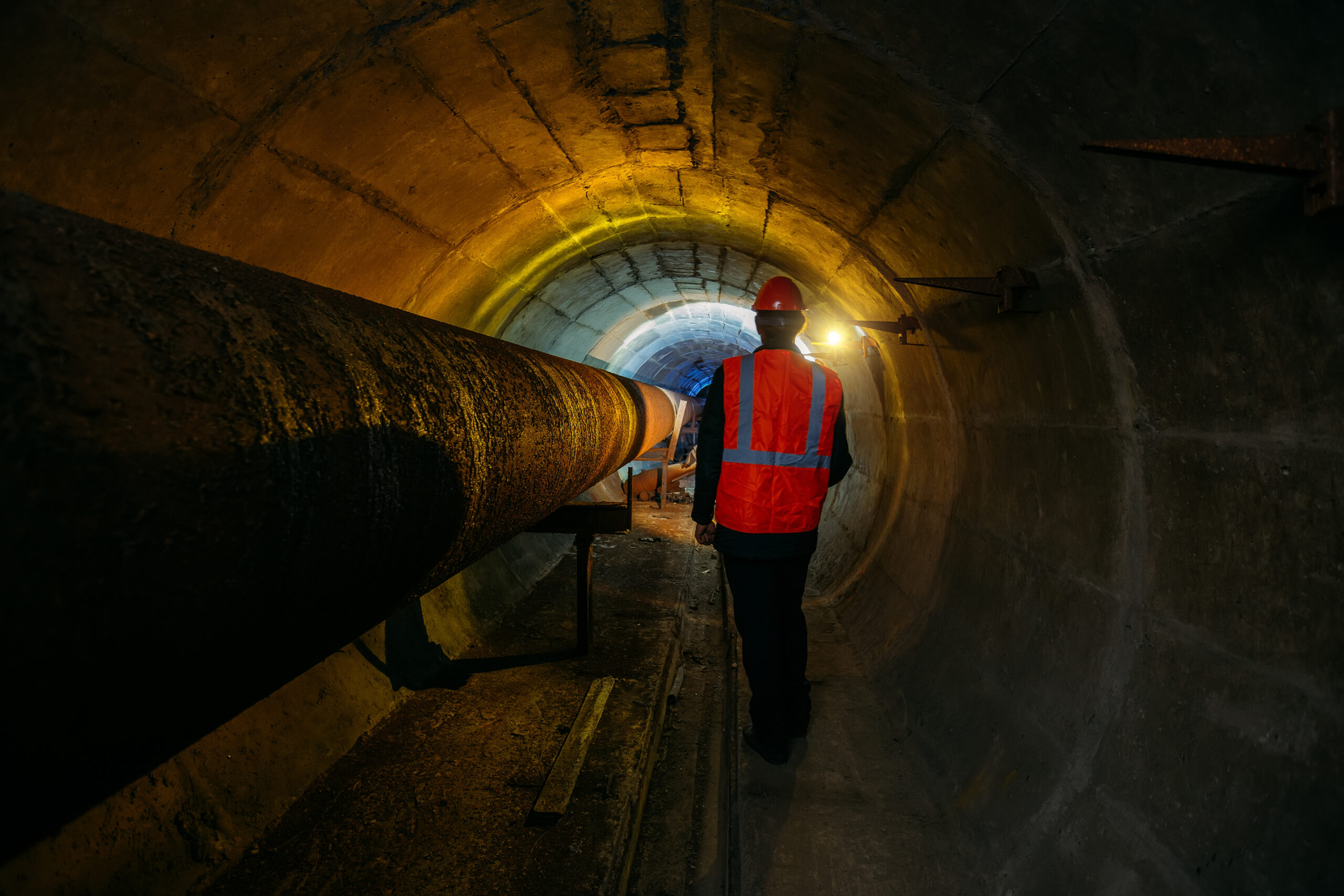
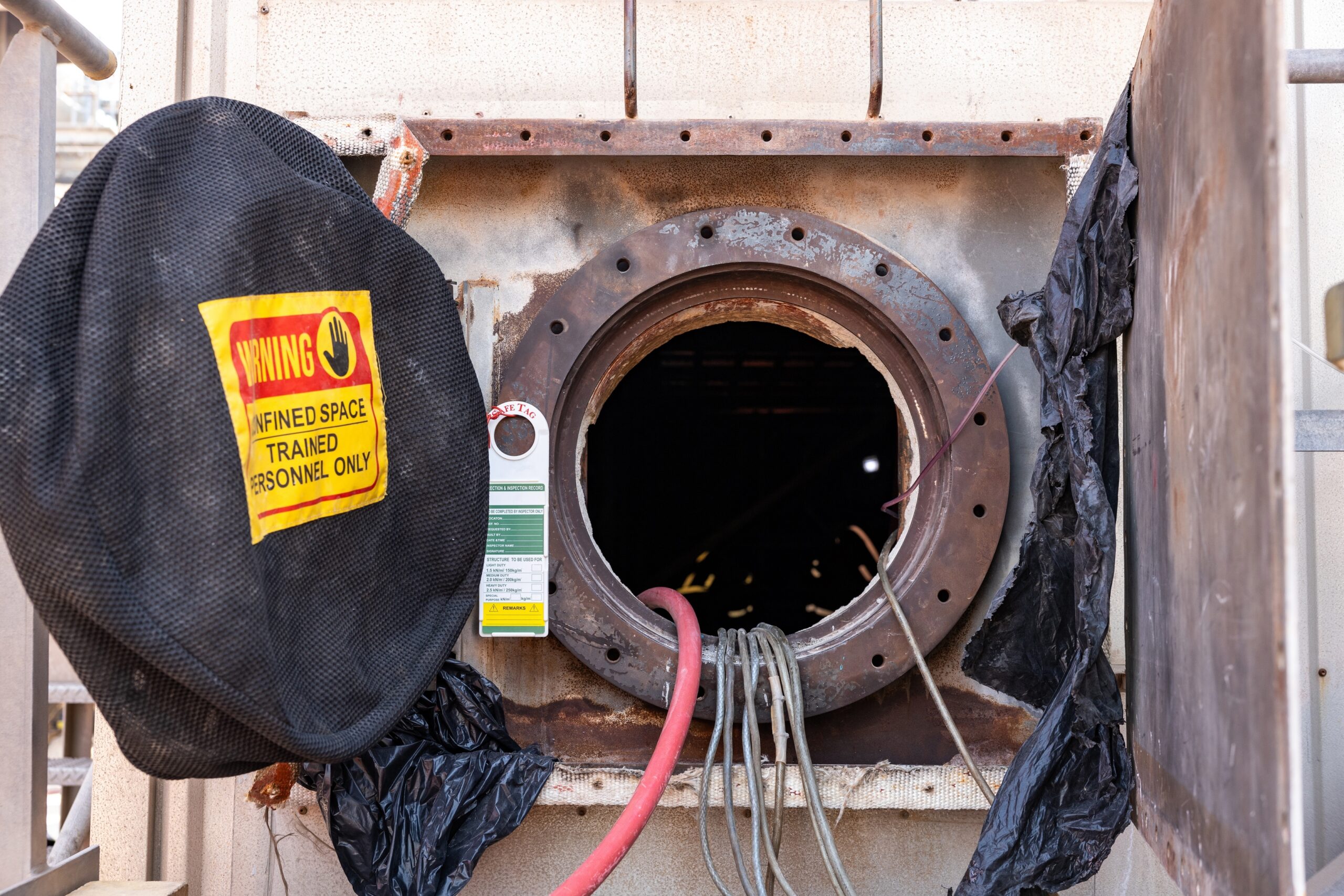
Confined space operations can include work in sewers, drains, vaults, tunnels, silos, trenches, tanks, pipes or ductwork. And the inherent dangers can include structural collapse, atmospheric asphyxiation, being engulfed by liquids or hazardous materials, a fire or explosion.
It is therefore essential that confined space rescue teams are thoroughly vetted in order that they can provide a suitable and reliable response on a consistent basis. So here we have put together a list of the seven critical questions you need to ask when assessing possible rescue team providers, regardless of the specific nature of your confined space operations.
1. What experience do they have?
A confined space rescue team provider should be able to demonstrate their experience by providing examples of projects, standby rescue cover and rescue planning for operations that are directly relevant to your own. They should also be able to explain how they identify hazards, prepare for emergencies and respond effectively should an incident occur.
You need the assurance that the rescue team can recognise the specific hazards in your operations, and know how to react based on personal experience. This includes understanding different access limitations, internal layout issues, atmospheric risks and how all these factors impact on rescue planning and execution.
An experienced rescue team provider should also be able to demonstrate an understanding of the different roles required and why these need to have clarity. Do they understand permit systems and can they implement one? You can also ask for previous client references and testimonials as part of this process.
2. What training and certification do they have?
You need to know that a confined space rescue team includes personnel who are adequately trained and have the relevant certification to demonstrate this. It is essential that all relevant certifications remain current where applicable, and that rescue team members maintain their competence through regular practical exercises, rescue drills and ongoing professional development.
Providers should also be able to demonstrate that their personnel are routinely assessed to ensure they remain competent in the procedures and equipment they use.
3. How do they manage safety equipment?
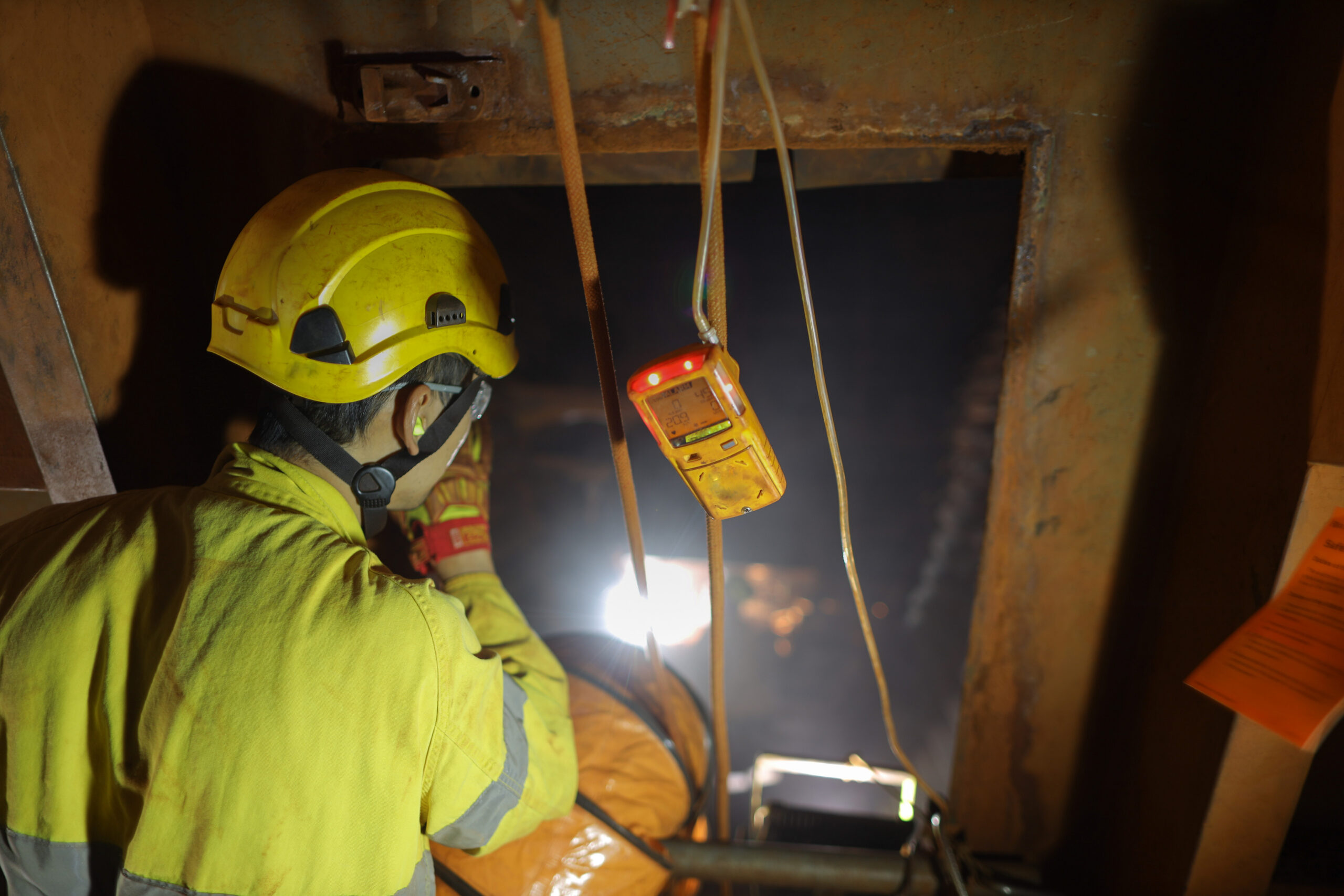
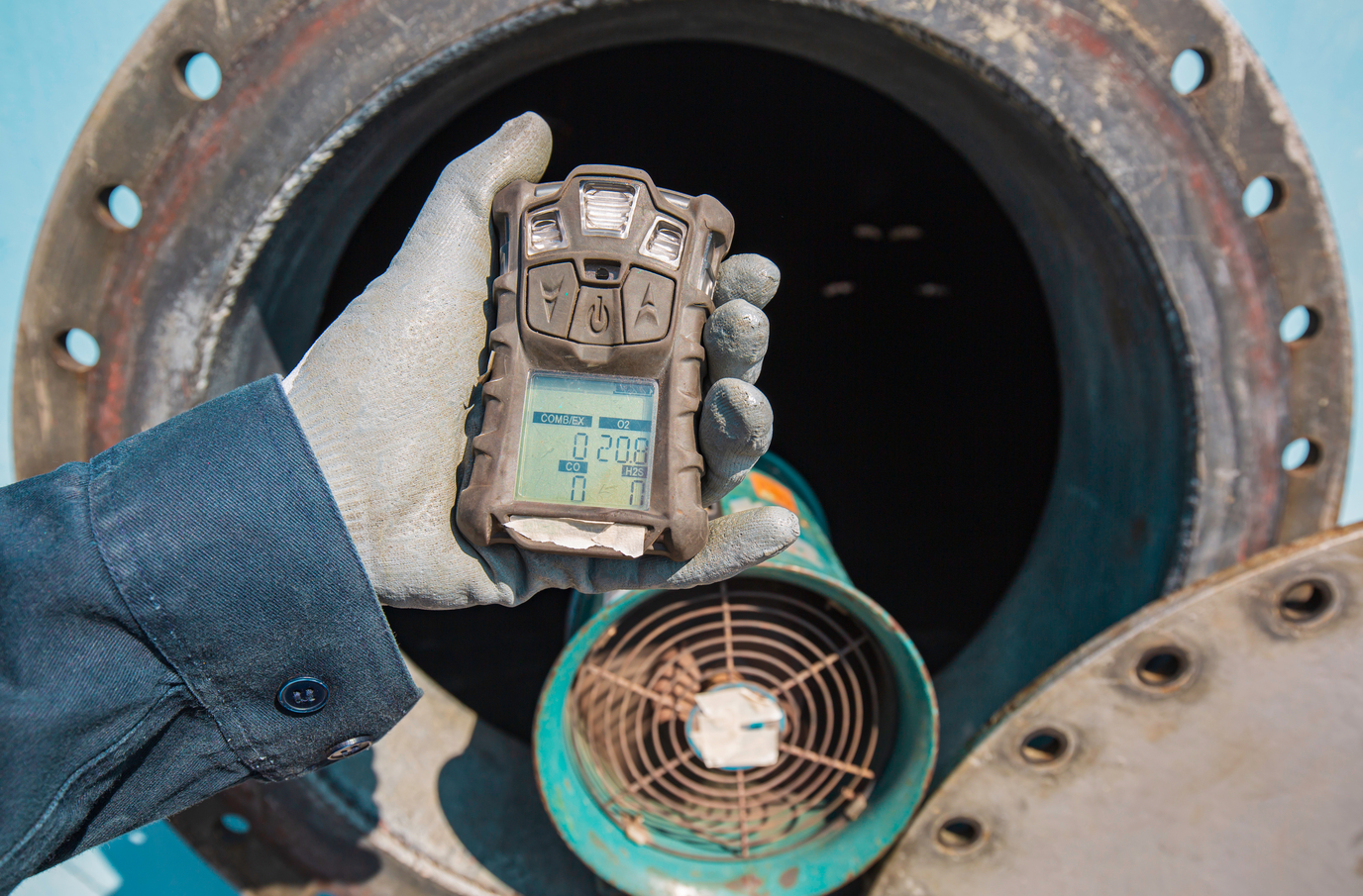
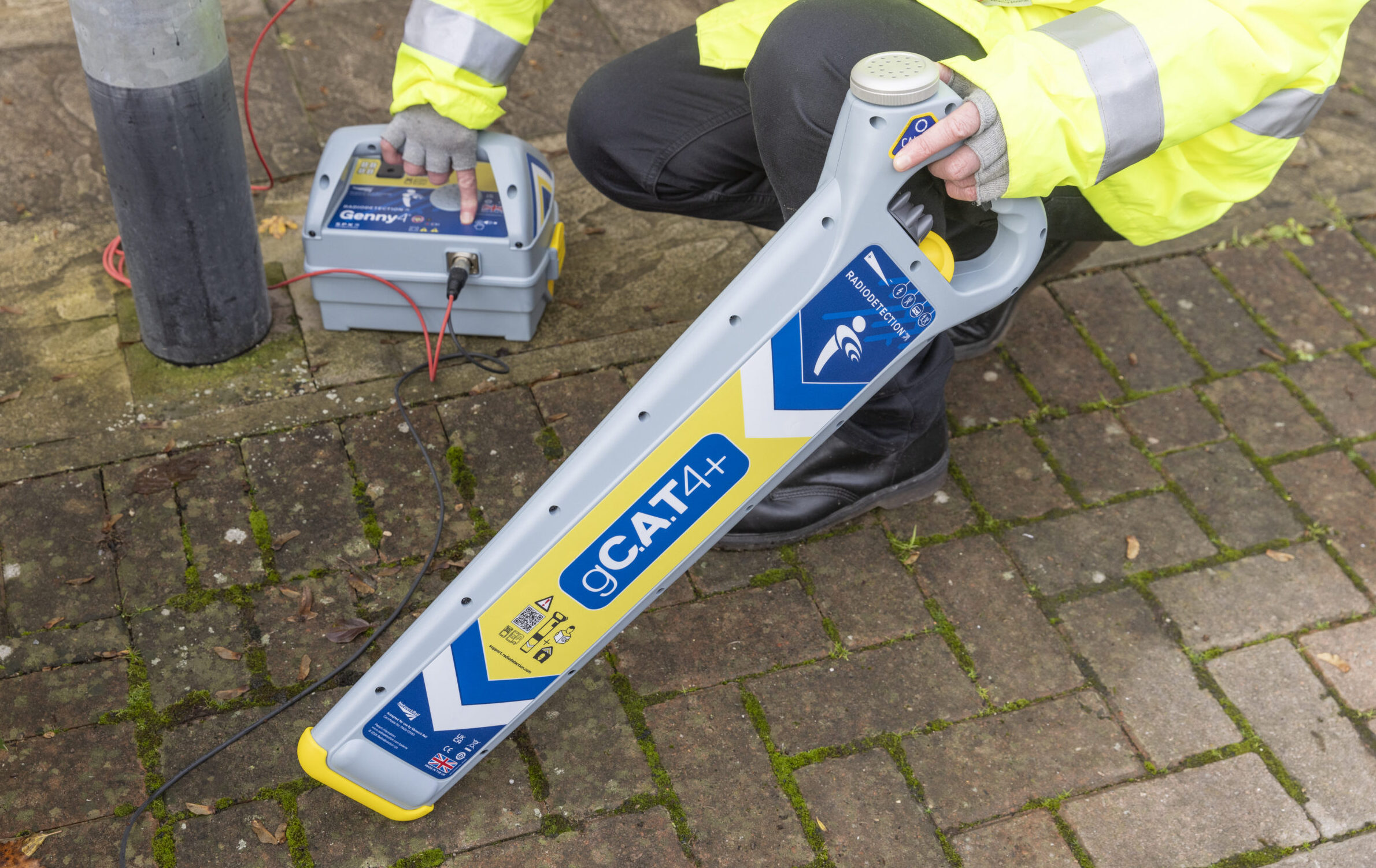
The safety equipment a rescue team uses are the tools of their trade and it is essential that this equipment is suitable, available, well-maintained and that the rescue team are trained in how to use it. Items such as gas monitors, tripods and winches are essential in rescue operations, but there could be specific safety equipment items that are critical to your individual operations, so a rescue team provider must have this equipment and know how to use it.
4. Do they have suitable medical training?
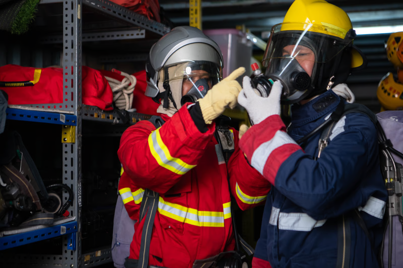
As first responders, a confined space rescue team may be required to administer first aid. This means a rescue team needs personnel who are trained and qualified, and who can recognise injuries or conditions, and know how to respond to them. This can be critical in stabilising a person before professional emergency teams arrive. Part of this also involves the rescue team having suitable medical equipment with them, such as breathing apparatus and medical supplies.
5. How quickly can they respond?
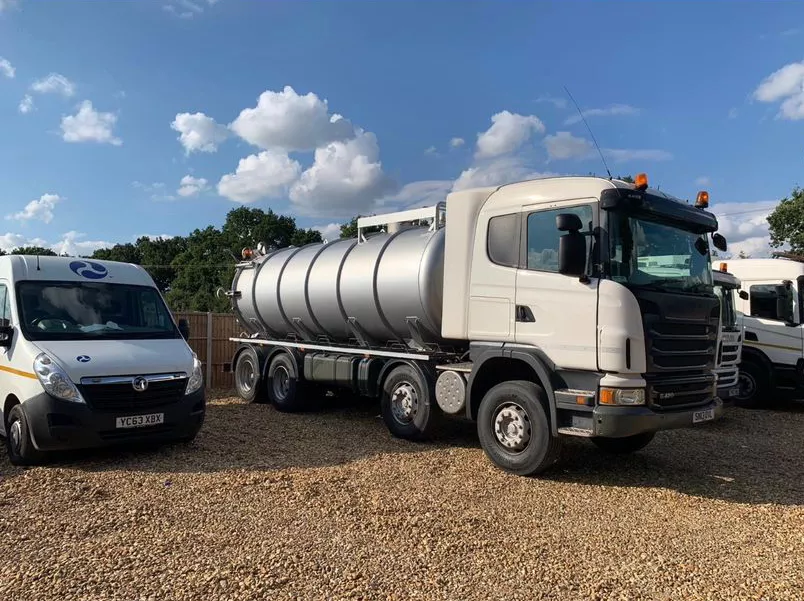
The first ten minutes after a confined space safety incident are the most critical, there is no margin for delay and this is where you need to know that a response time is suitable. You need to ask how quickly they can get to a confined space location and start retrieval operations, and how quickly they can set-up equipment for these processes. This often comes down to where the rescue team are based, how many personnel they have and how they manage their standby operations.
6. Do they have tailored emergency rescue plans?
Any rescue team provider needs strong and robust emergency plans, but these need to be tailored to your specific needs. Is the provider able to do that? Is the provider willing to come to your site and assess the site layout and access issues before delivering a thorough, coordinated and dedicated rescue plan for your individual confined space operations?
This needs to identify what hazards are present, the physical barriers and obstacles of the confined space, what equipment is needed, what communication systems are required and what the links with local emergency services are like.
7. What compliance records can they provide?
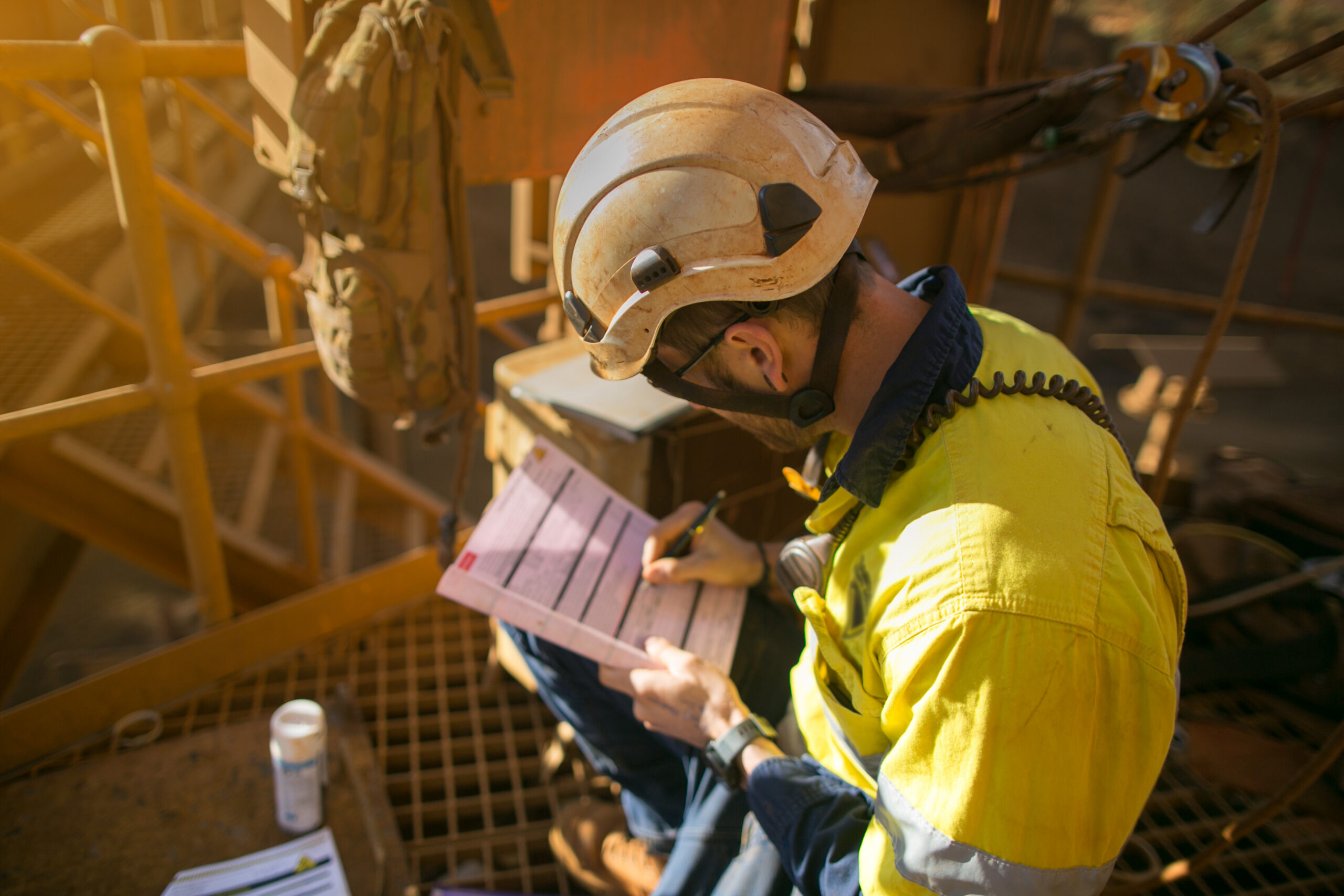
The rescue team provider needs to demonstrate their compliance in terms of liability insurance, safety equipment service and maintenance and quality and safety standards. You can also ask about their previous safety record and how they have complied with safety legislation.
At Civil Safety we can provide rescue teams who can answer all these seven questions and can demonstrate their suitability for your confined space operations, based on experience, compliance and deliverable results. So if you need a confined space rescue team, contact Civil Safety today.