Why Drainage Work Is One of the Highest-Risk Confined Space Activities
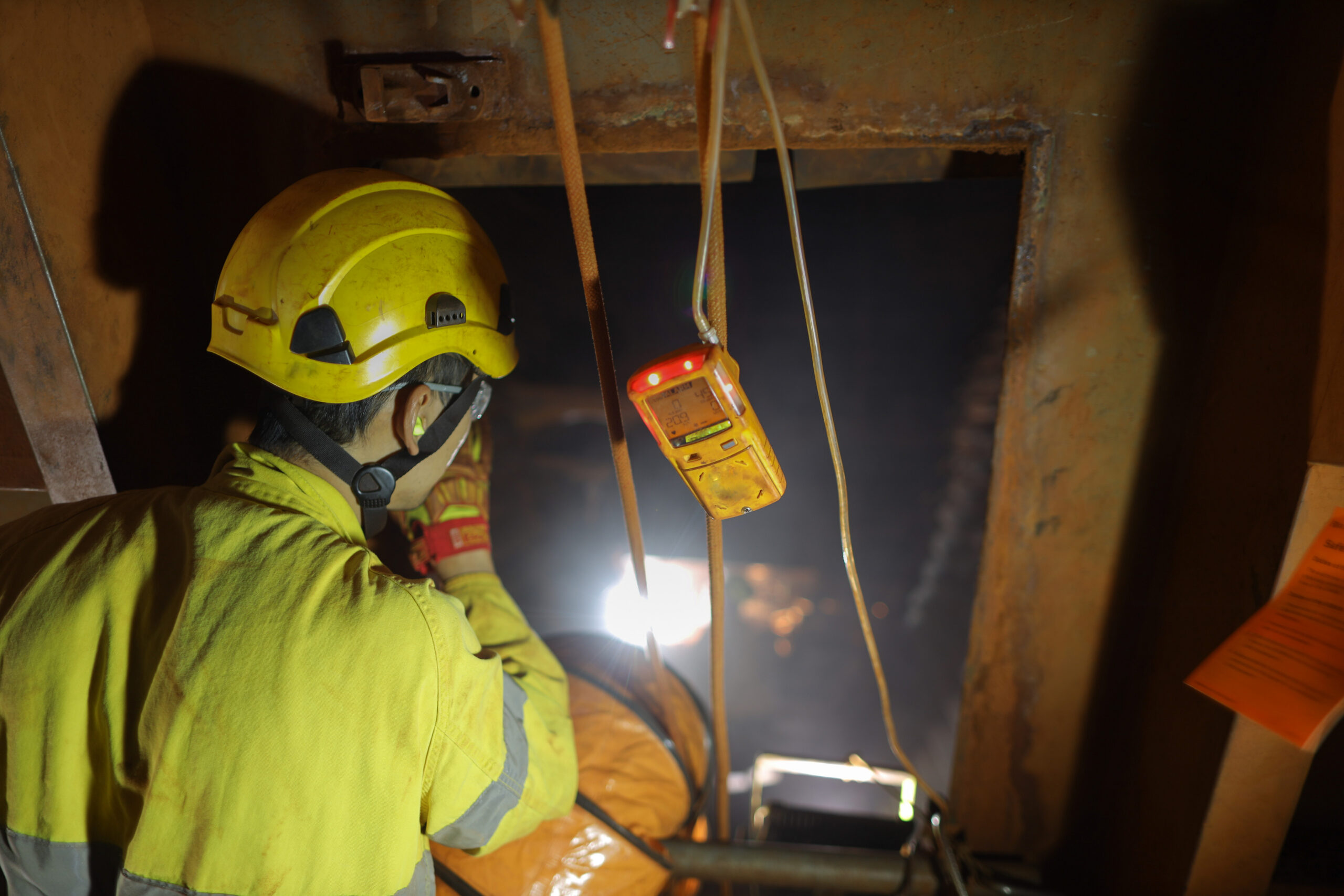
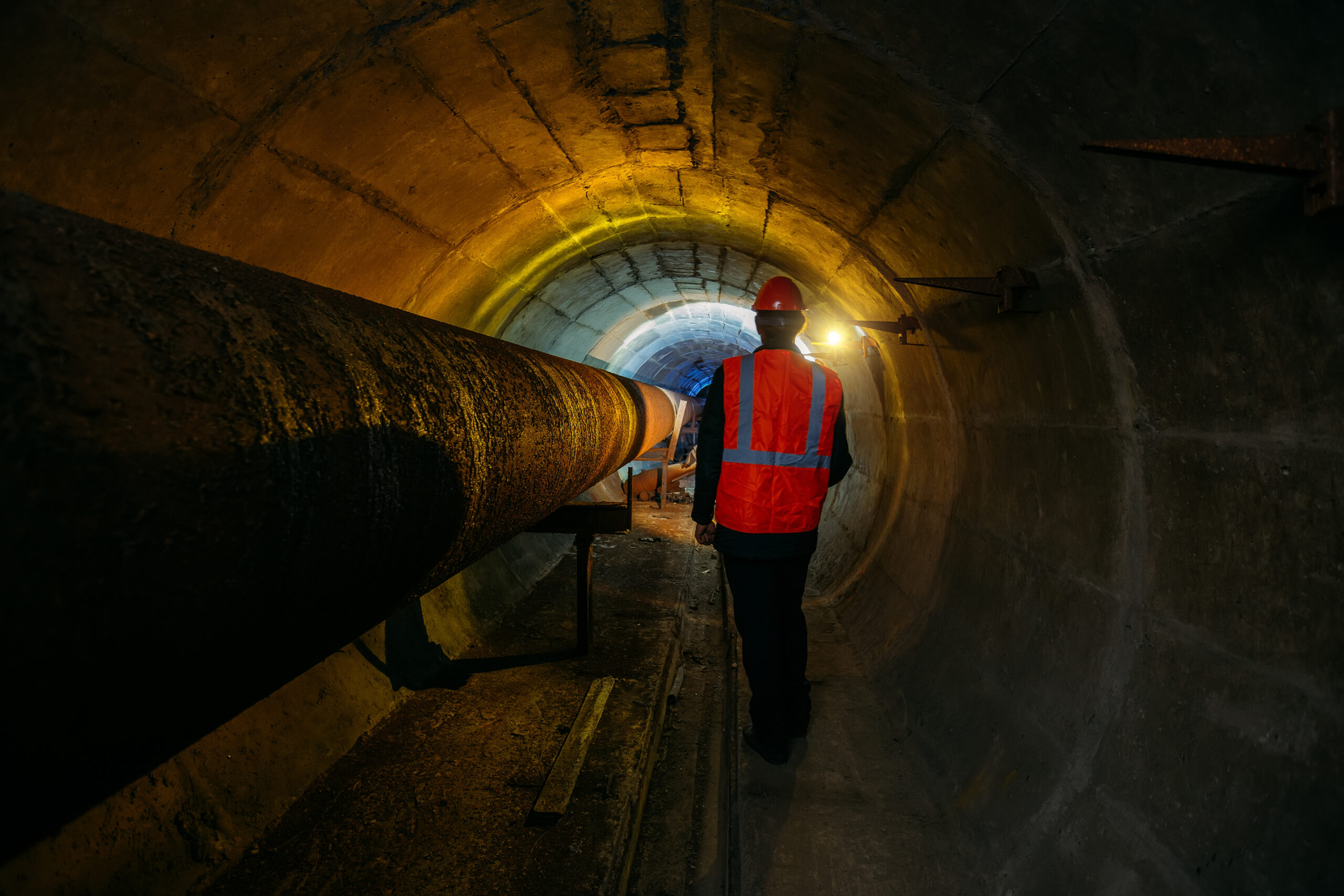
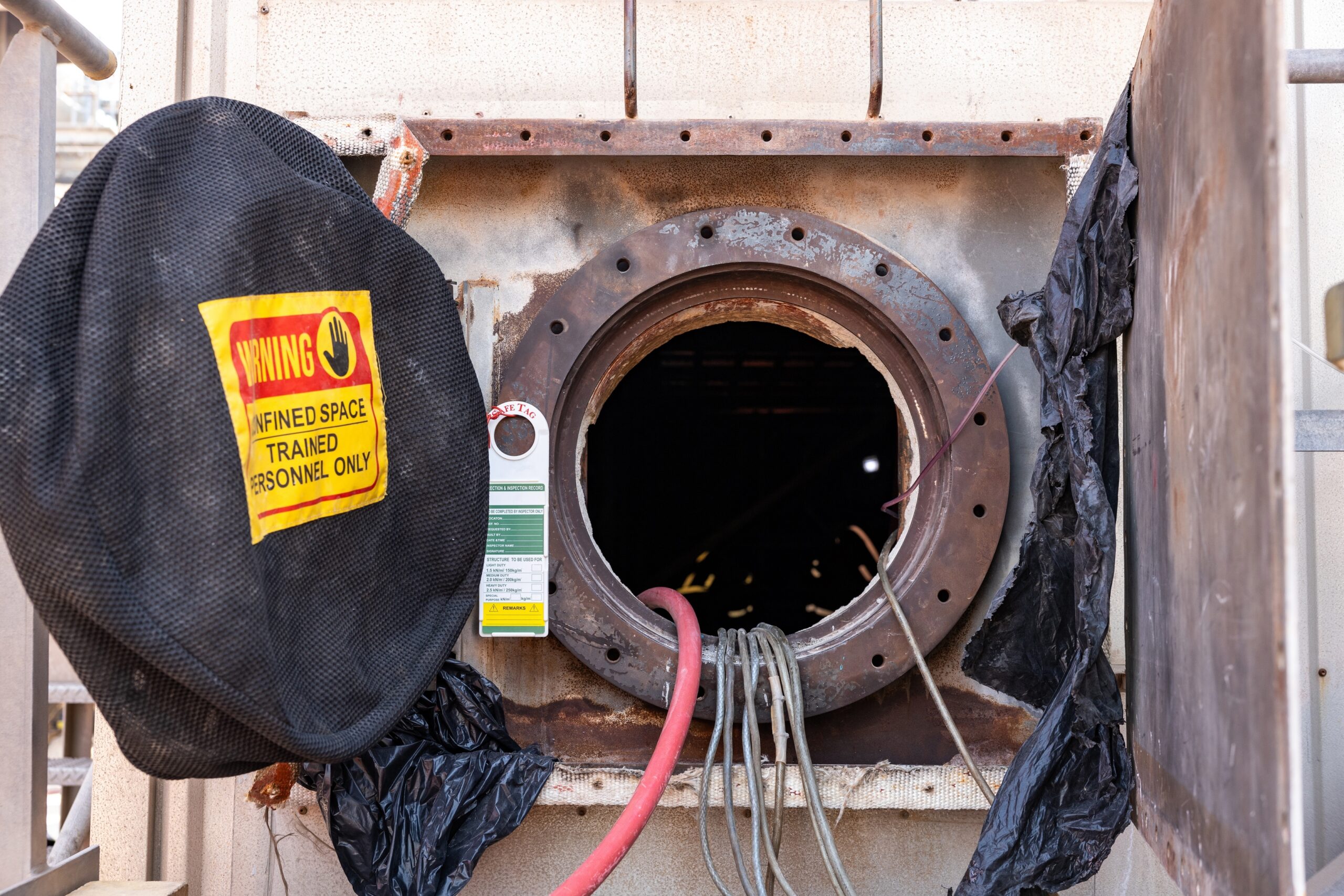
Employees working in a confined space require specific health and safety precautions to be put in place to ensure their safety. This is because confined spaces are high-risk locations which expose people to dangers and hazards such as breathing difficulties, falling objects, fumes and vapour, chemical exposure, falls, extreme temperatures and drowning. Drainage work is considered to be a confined space operation because it involves working in locations such as manholes, sewers, inspection chambers, pumping stations, service ducts and bridges. For this reason, drainage work is a high-risk confined space operation.
What dangers can occur in drainage work?
Drainage work typically involves small spaces and the movement of liquids and solids. This can produce risks such as:
- Gas exposure
- Chemical exposure
- Asphyxiation
- Extremes of temperature
- Falls
- Drowning
These risks can develop very quickly and without warning in a confined space and particularly in drainage systems, such as areas flooding or biological hazards spreading quickly. The Confined Space Regulations Act 1997 is the current legislation that covers this activity. It states that if any of these dangers have been identified, it should be considered whether working in this location is necessary as an initial assessment. Ideally there would be no entry to these locations, and work would be done remotely. But that is not always possible and particularly with drainage work.
How is drainage work in confined spaces managed?
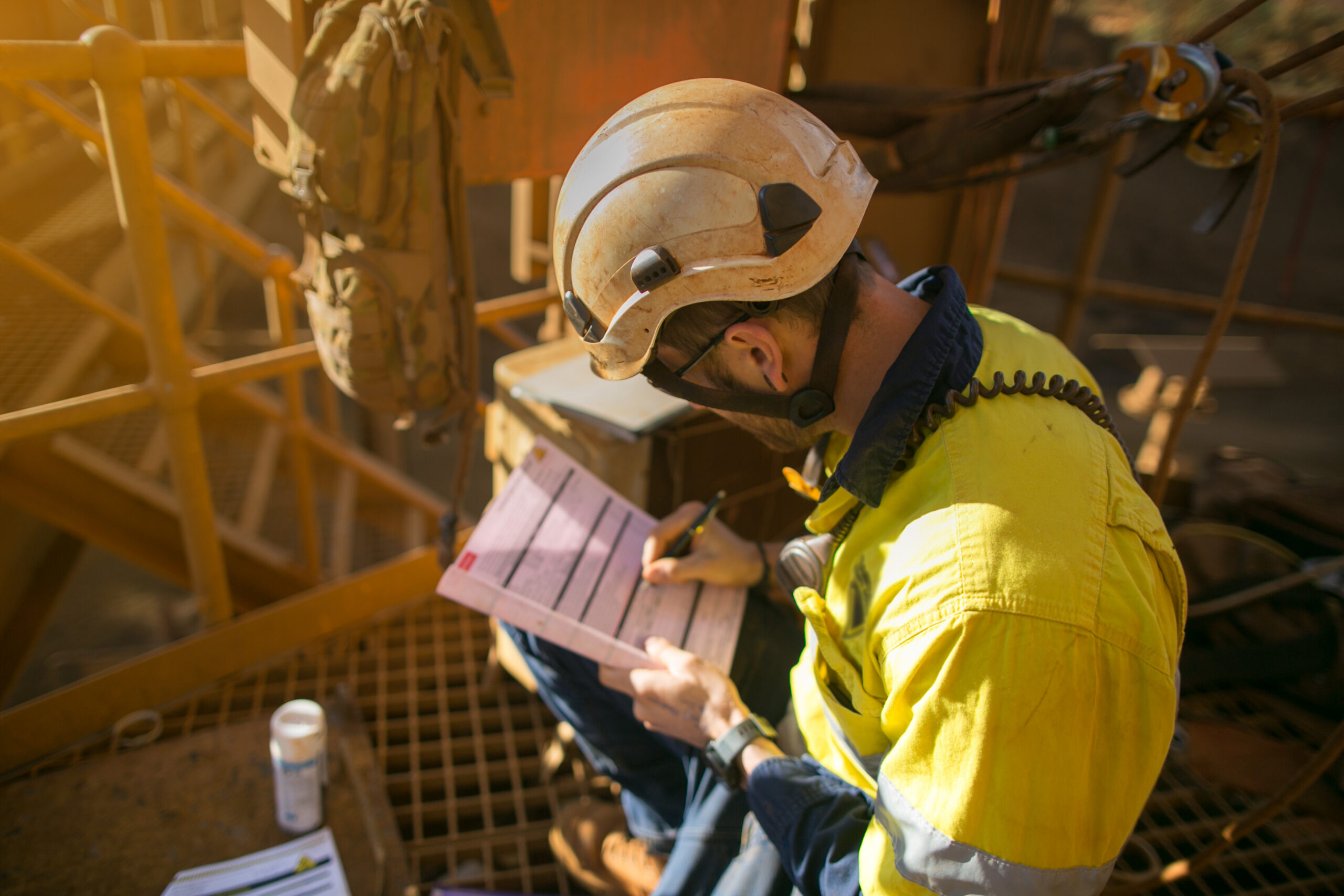
It is essential that a risk assessment is carried out before any drainage work in a confined space is attempted. This ensures a competent person closely analyses an operation to determine what safety risks are involved, what safety measures are in place, whether these are adequate, and what further actions are recommended. A risk assessment is the foundation behind confined space safety management. It will assess the person carrying out the task, what tools and equipment they will need and what control measures need to be in place, such as rescue teams and emergency response procedures.
Where it has been deemed necessary that controlled work in a confined space needs to take place, a safe system of work needs to be designed to follow-on from the risk assessment. This should ensure that all people entering or working around the confined space should be fully aware of the relevant risks, control measures and correct working procedures.
The safe management of confined space operations in drainage work needs to involve:
- Can entry to the confined space be avoided? – Can the operation be done remotely or automatically using mechanical devices to reduce any significant risk?
- Carry out a risk assessment – Where entry to the confined space can’t be avoided, the operation should be analysed via a risk assessment. This needs to be specific to the actual task and take into account the size and limitations of the space, the hazards present, the type of work being carried out, the people carrying out the work, safety equipment needed and available, and other environmental conditions.
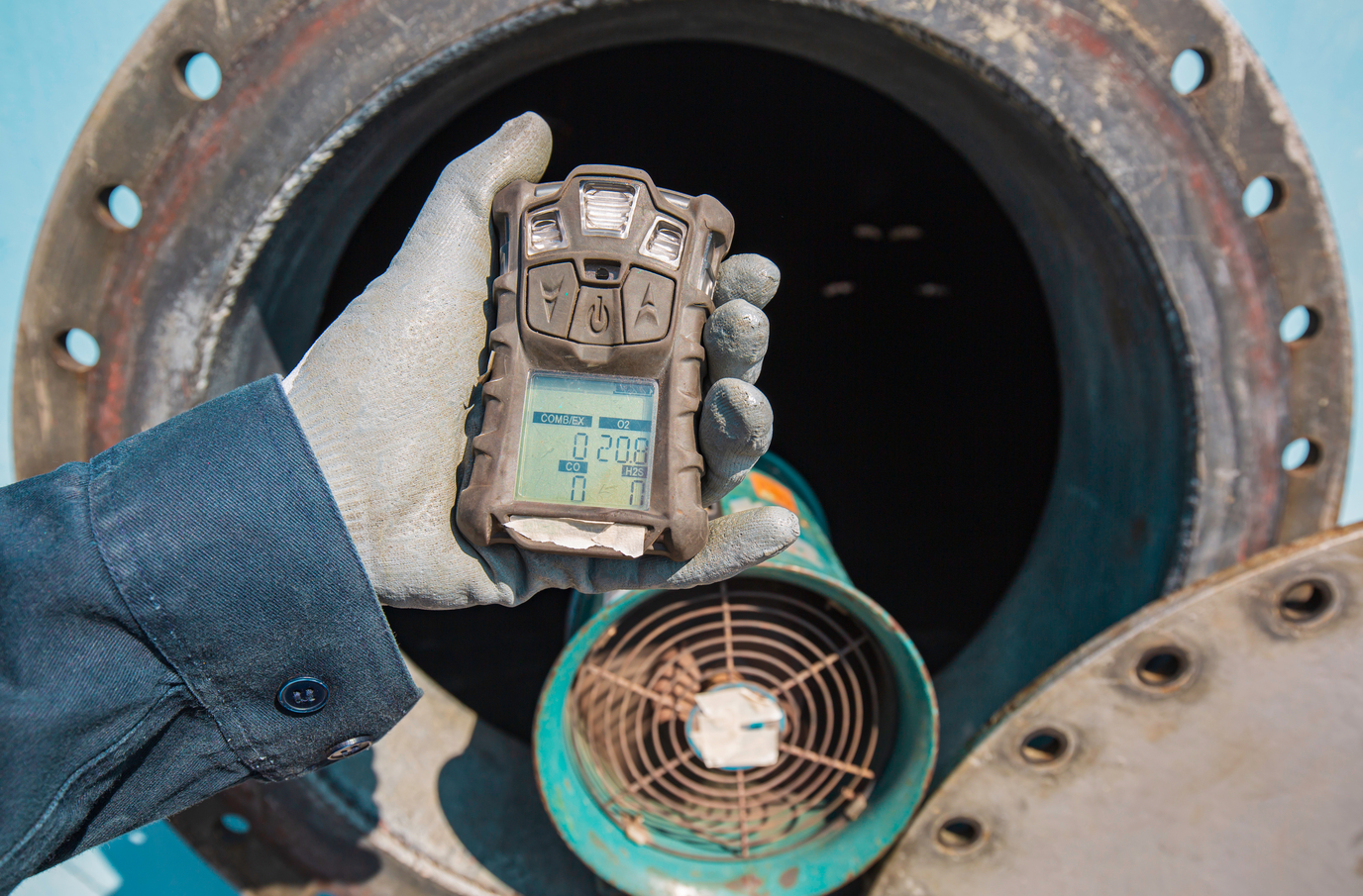
- Establish a safe system of work – Define a safe system of working that avoids any dangers or risks to health and safety, as far as is reasonably practicable. This must cover all aspects of the operation and should include nominating supervisory positions, isolating power systems, having permit-to-enter systems in place, providing suitable ventilation, testing atmospheric conditions regularly, communication between people inside and outside the confined space and with emergency contacts, personal protective equipment and other specialist safety equipment.
- Emergency preparedness – Prepare suitable emergency plans before any operations take place. This should involve communications with emergency services, having suitable rescue equipment available, having trained first aiders available, and having a trained and available confined space rescue team in place.
Drainage work can involve severe hazards such as instantaneous atmospheric changes, dangerous levels of gas exposure, biological hazards, flood risks, oxygen deficiency and disturbance of waste forms. These all present high levels of risk, and are specific hazards which require specialist forms of safety management. On top of this, working in a confined space presents hazards such as limited access and exit and structural risks. The safety controls listed here – risk assessments, safe systems of work, emergency response – are catch-all solutions which can be tailored to the specific hazards presented by drainage work in confined spaces.
Professional management of your confined space risks
It is essential that the dangers of drainage work in confined spaces are suitably acknowledged and managed. This can avoid the risks of injury, disease and even a fatality. For this reason employers need to consider controls such as confined space safety training, or having confined space rescue teams on standby. These are two common solutions for managing confined space safety, but are just partial elements of what needs to be a robust and comprehensive safety management programme.
If you are involved in drainage work and want to discuss your confined space safety needs, then contact our team at Civil Safety today.