How Often Should Confined Space Training Be Renewed?
April 10, 2026
A confined space is a high-risk environment and requires a set of robust procedures to be implemented in order for operations to be suitably and sufficiently safe. This can involve safety equipment, communication protocols, wearing personal protective equipment and having an emergency rescue team in place where necessary, but it is also an essential safety requirement that the people carrying out operations in a confined space are suitably trained to do so.
What is a confined space?
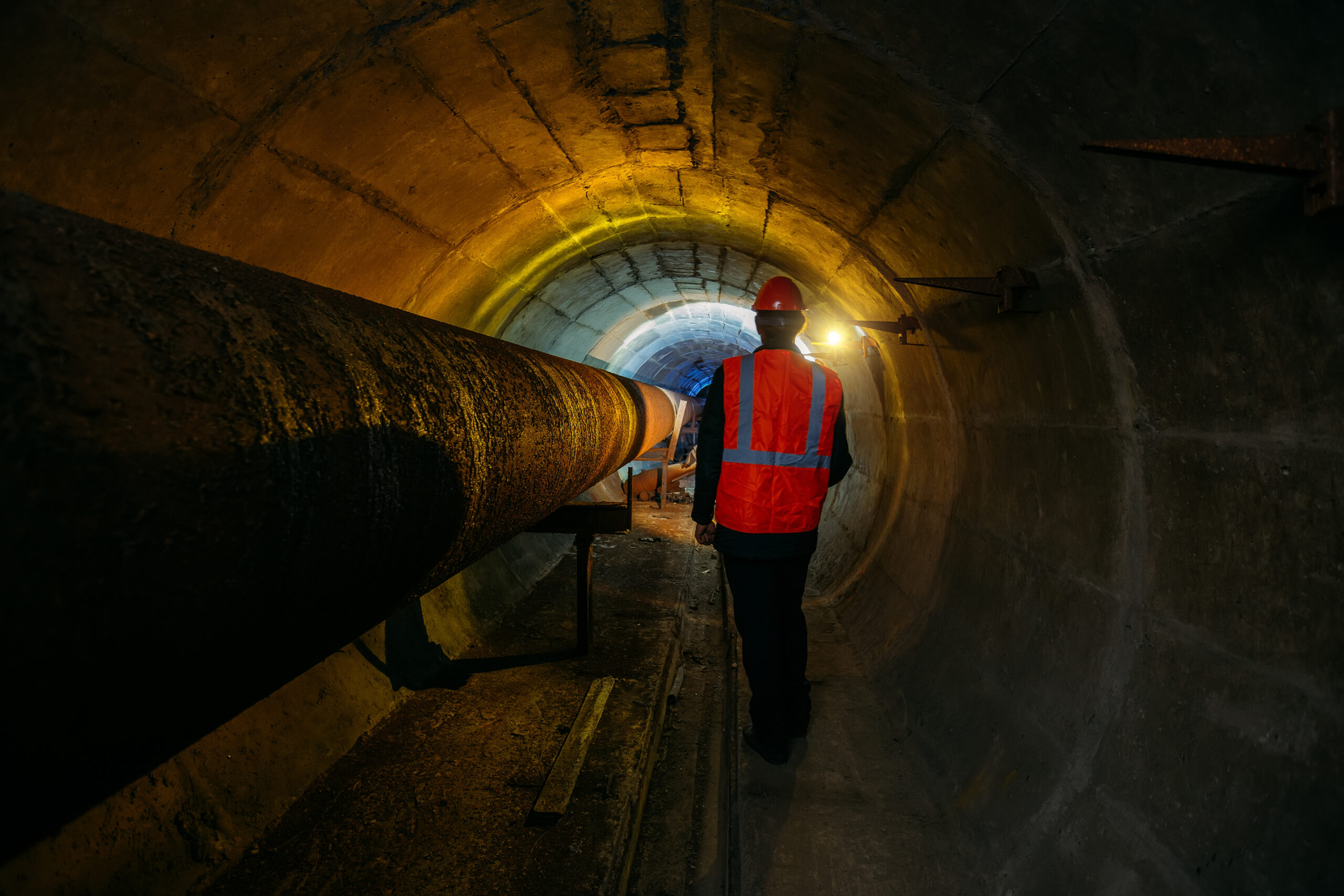
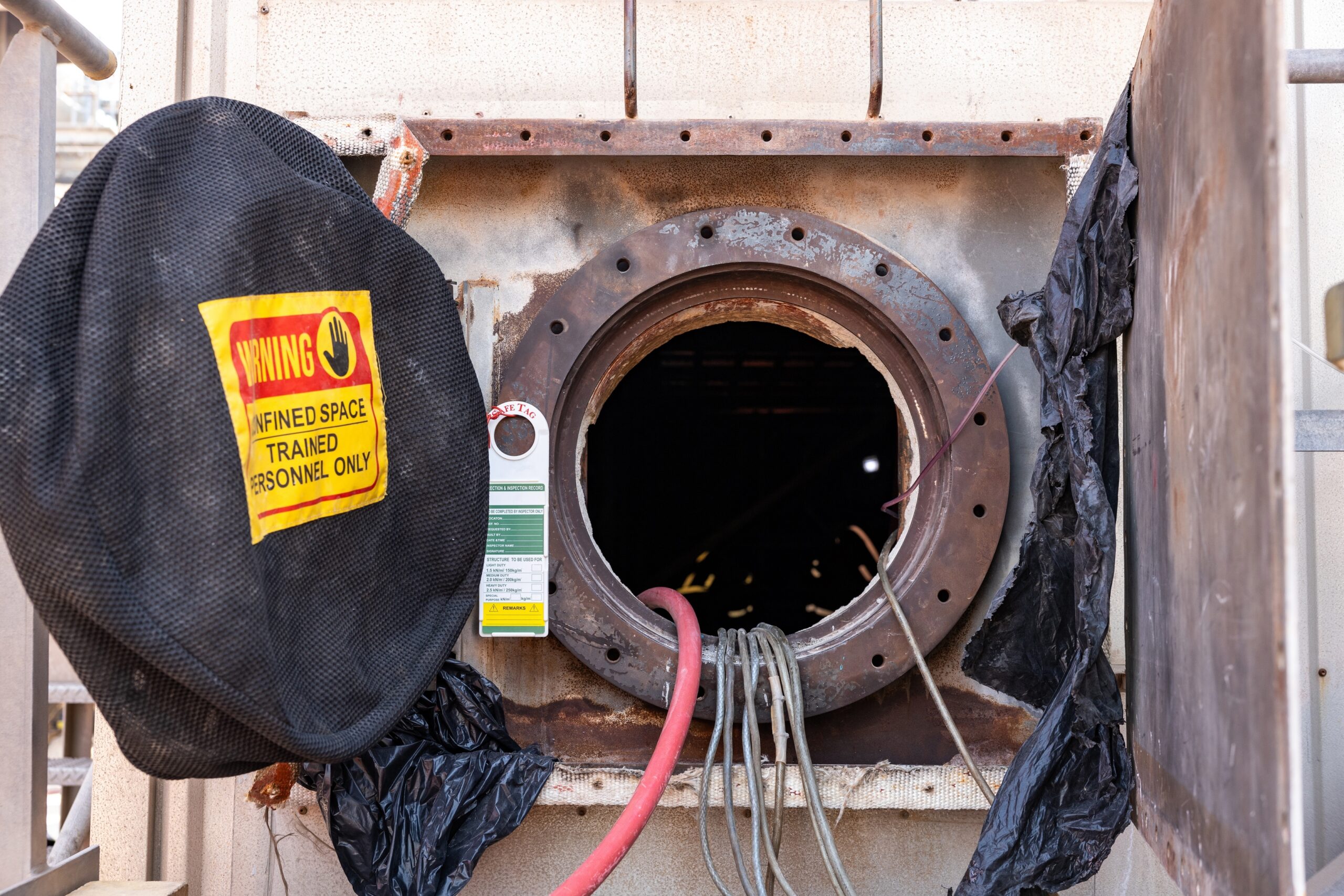
We can define a confined space as any enclosed space that has limited areas of access and exit and is not intended for human habitation. These can include pipes, pits, wells, sewers, tanks, silos, chambers and trenches.
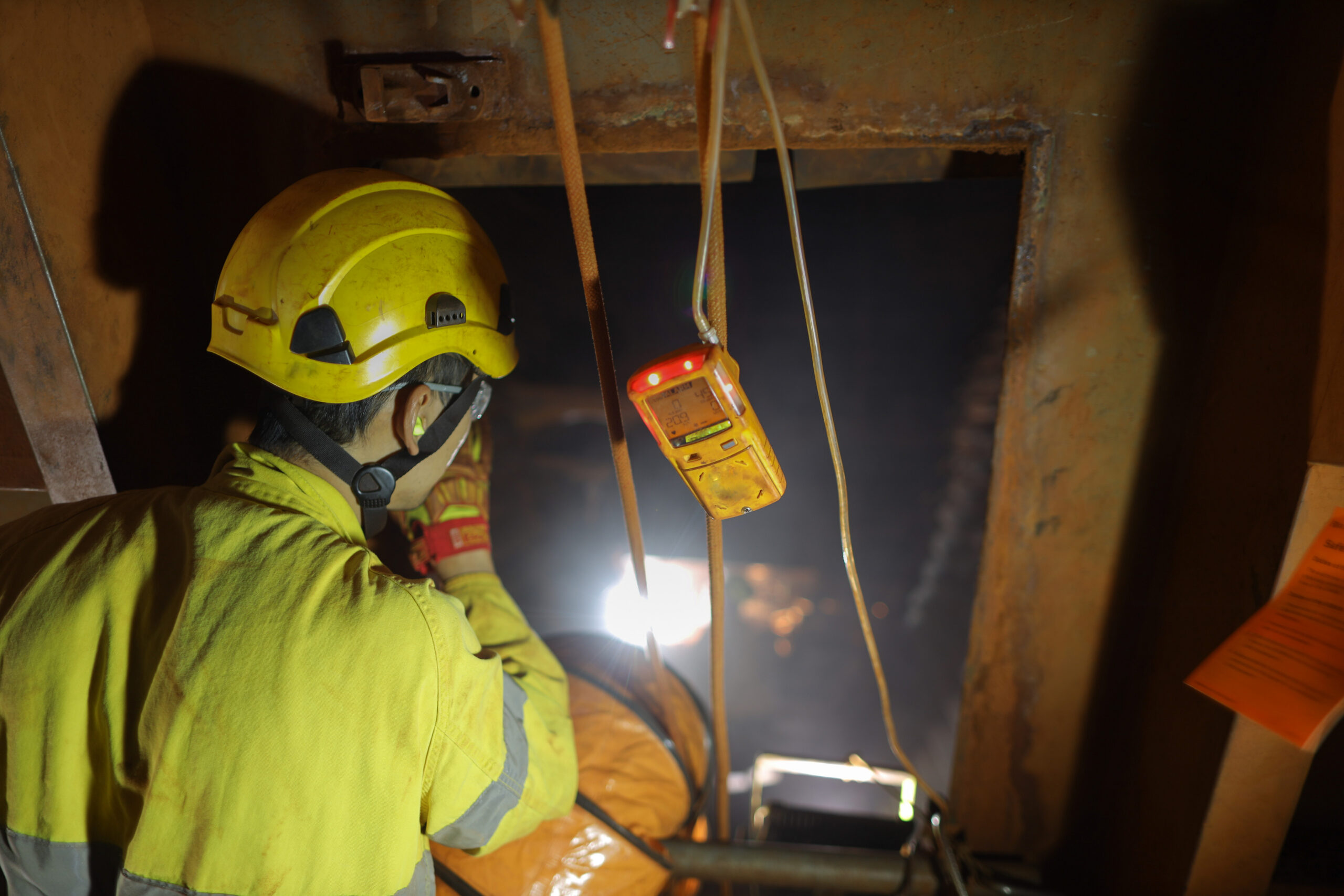
Although it is not recommended to work in a confined space and you should avoid doing so wherever possible, sometimes it is necessary for repair and maintenance activities. In such circumstances it is necessary to recognise the significant risks of working in a confined space, such as working at height, a lack of oxygen, toxic gases, contamination, poor ventilation or poor light, restricted movement and working in areas of water. These can lead to a number of safety risks such as fire, explosion, loss of consciousness, asphyxiation or drowning.
Where it is necessary to work in a confined space, it is essential that these risks are identified and assessed and suitable safety measures implemented. Additionally, ensuring you have personnel who are fully trained and qualified to work in a confined space is a legal requirement.
Confined space training
Confined space training and rescue provides accredited training for personnel who will be working in a confined space. The courses are designed to provide suitable and sufficient knowledge of the dangers of working in a confined space, what precautions to take and how to respond in certain situations. The training should be to a recognised standard, such as City & Guilds, and will therefore result in a recognised qualification and certification.
Typically, confined space training will include features such as:
- Understanding the risks associated with confined spaces
- Understanding relevant legislation
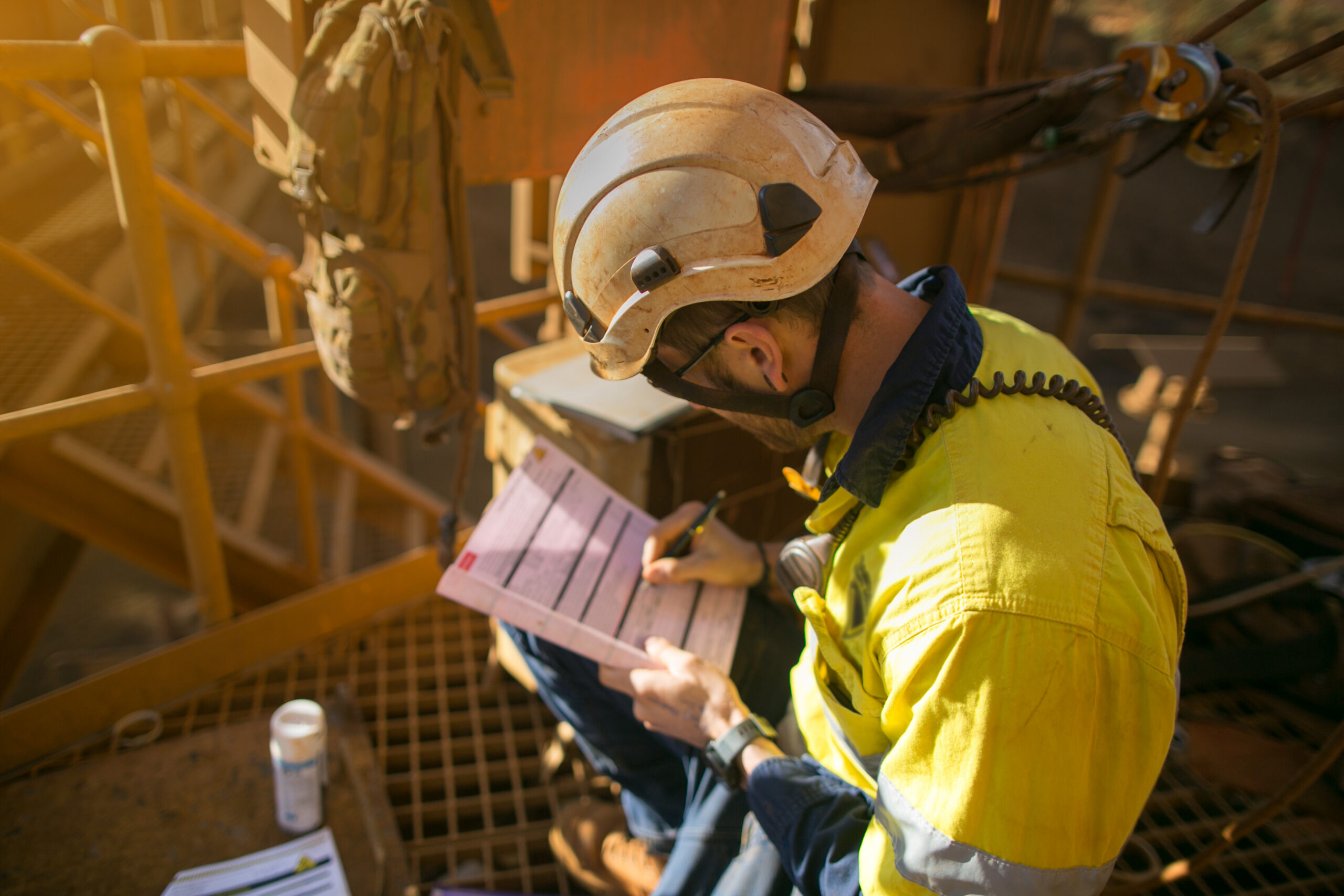
- Safe working procedures for entering, operating in and exiting confined spaces
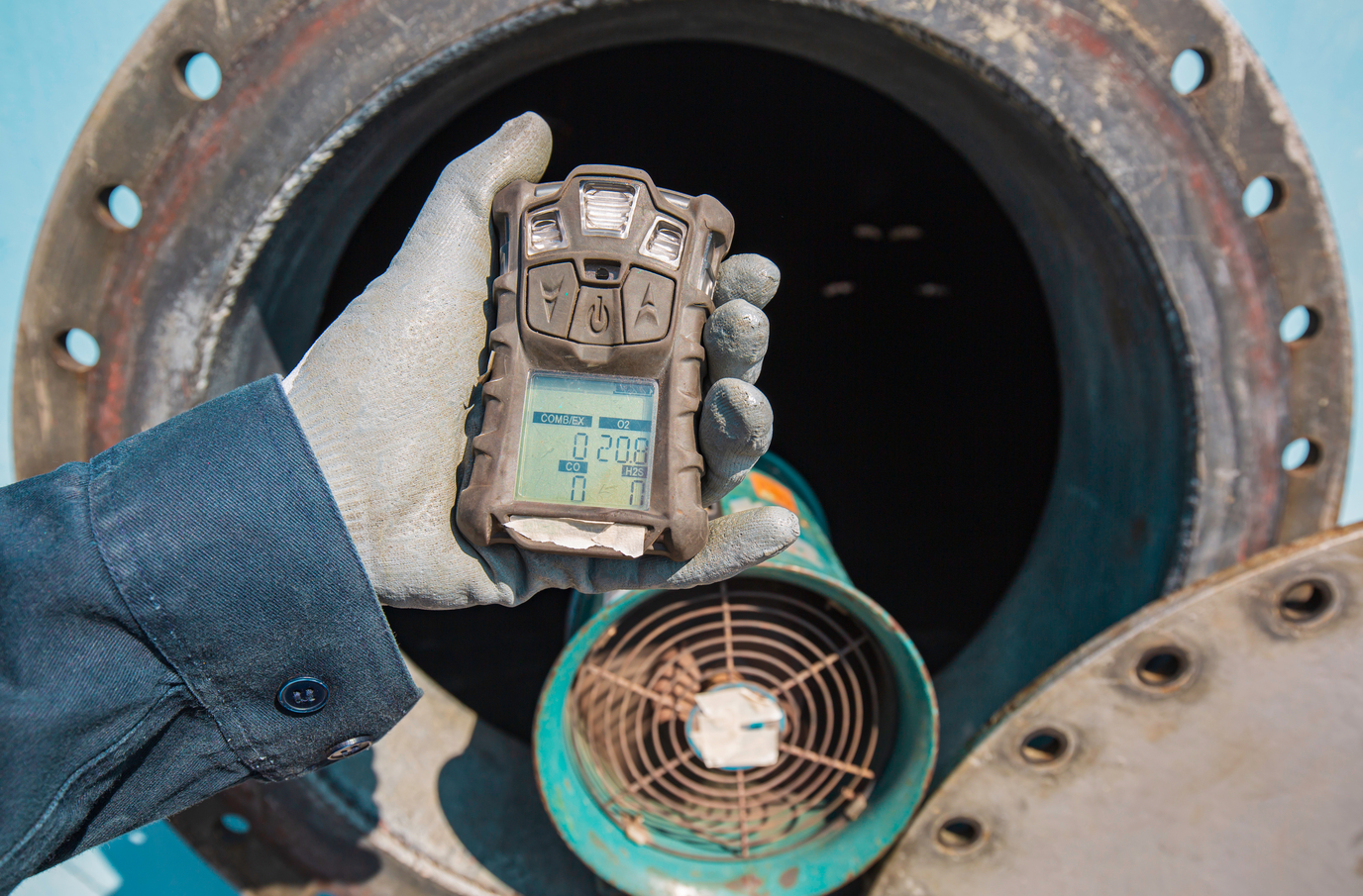
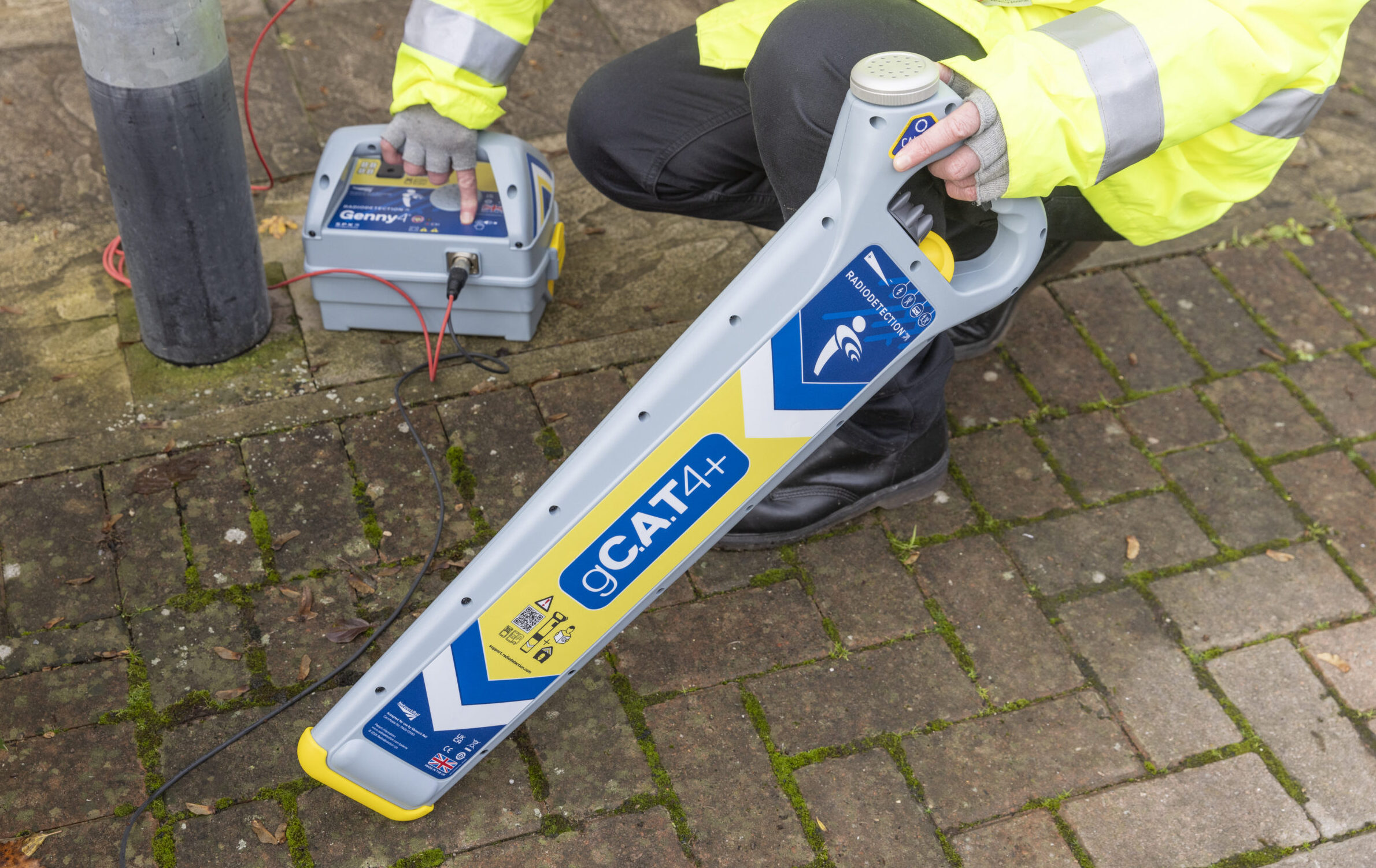
- Using specialist equipment, such as lifting and breathing equipment
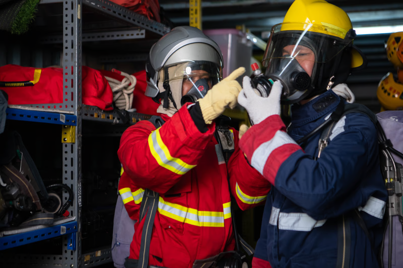
- Using personal protective equipment
- Using communication technology
- Dealing with emergencies and being familiar with emergency procedures
This training is not an optional safety measure. It is a key requirement to ensure you have suitably addressed the risks associated with working in a confined space and have staff with the relevant, up to date qualifications to operate in this environment. It is important that this training is periodically renewed so that you can always show that you have the requisite safety measures in place.
The purpose of this training is to develop a level of competency and understanding specific to protecting workers operating in a confined space. Sometimes this level of competency and understanding is reduced, or you take on new team members, creating a need for training to be renewed. It’s also worth knowing that some training qualifications are only valid for a specific period, meaning training is needed in order for the qualification to remain valid.
It is generally recommended that confined space training should be renewed every three years, and this is widely recognised by certification bodies such as the City & Guilds.
Why does confined space safety training need renewing?
It is essential to renew your confined space safety training because:
- Practice – These are perishable skills which can become forgotten, regardless of how many times you practice them. You can forget what the right technique or protocol is, or what safety equipment to use, particularly if you are not regularly called upon in an emergency situation.
- Safety developments – New practices and equipment can be developed which alter recommended safety procedures. It is common for approved guidance to be updated to reflect current practices – in this case it might involve new breathing apparatus or communication technology – and so all confined space rescue teams need to be fully aware and practiced in these changes to maintain their knowledge and understanding as current.
- Regulatory compliance – Safety regulations are updated all the time and therefore refresher training ensures the current practices of the confined space rescue team are fully compliant.
Regular training on a three-year cycle ensures that your confined space operators and rescue team are competent and have the confidence to attend to the full range of real-life rescue situations. It reduces the risk of safety incidents occurring as a result of outdated knowledge or practices and reenforces a robust safety culture in your organisation. It also ensures the organisation is fully compliant with HSE and industry regulations.
Book your confined space training and rescue
At Civil Safety we can provide confined space training and rescue courses to ensure your personnel are fully compliant in all areas of confined space safety, including regular renewal training in line with the guidelines set out by City & Guilds, so contact our team to book your course today.