Confined Space Training Levels Explained: Which Course Does Your Team Need?
September 11, 2026
Working in a confined space requires a specific level of planning, awareness and experience. This is based on the unique hazards that a confined space presents, and can be achieved through a programme of dedicated confined space training. It is essential that anyone working in a confined space, or who is part of a confined space rescue team, has successfully completed a confined space training programme that is appropriate to the level of risk and the environmental hazards they are likely to face. For this reason it is important that there is a good understanding of the training courses available and what is an appropriate level of training.
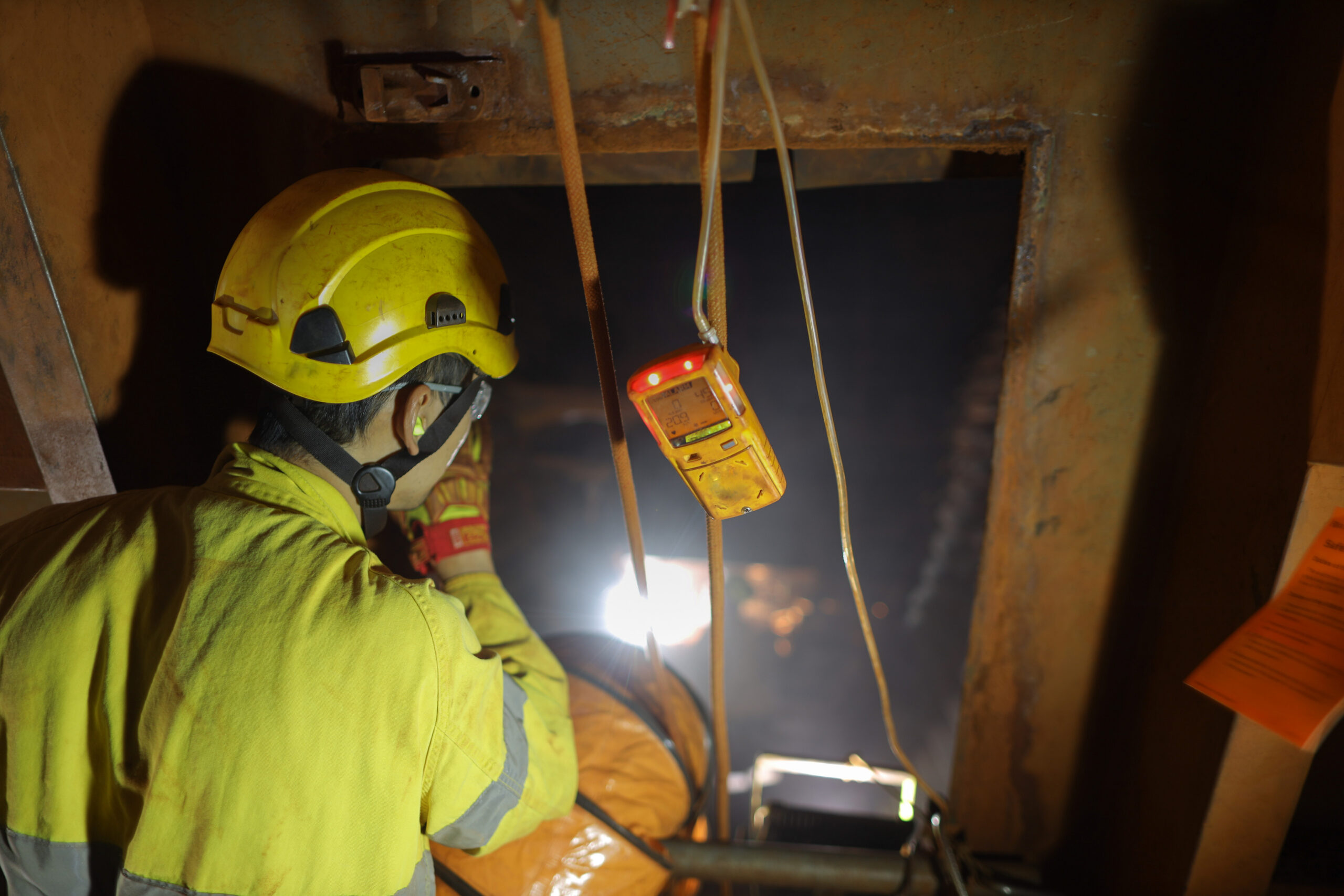
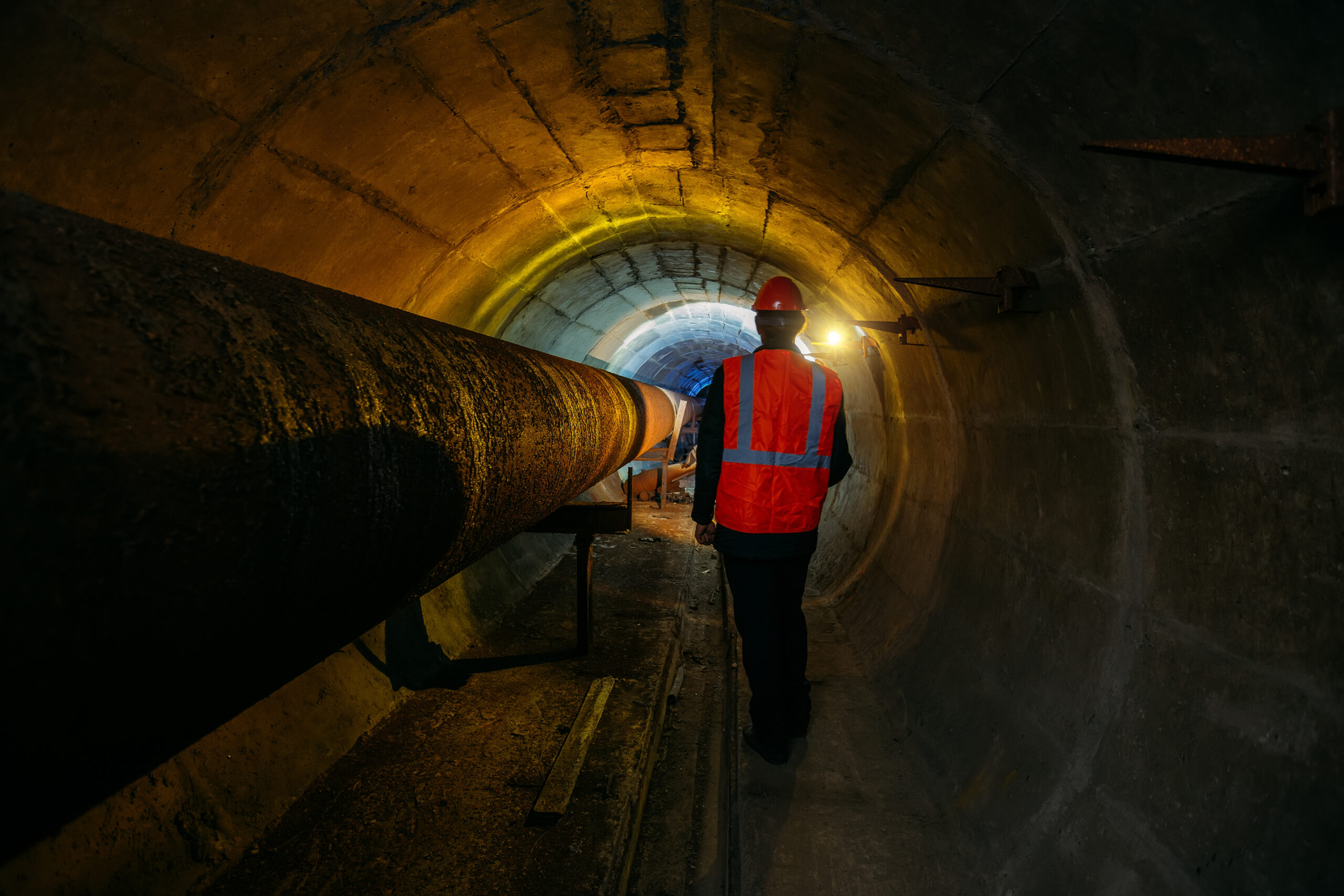
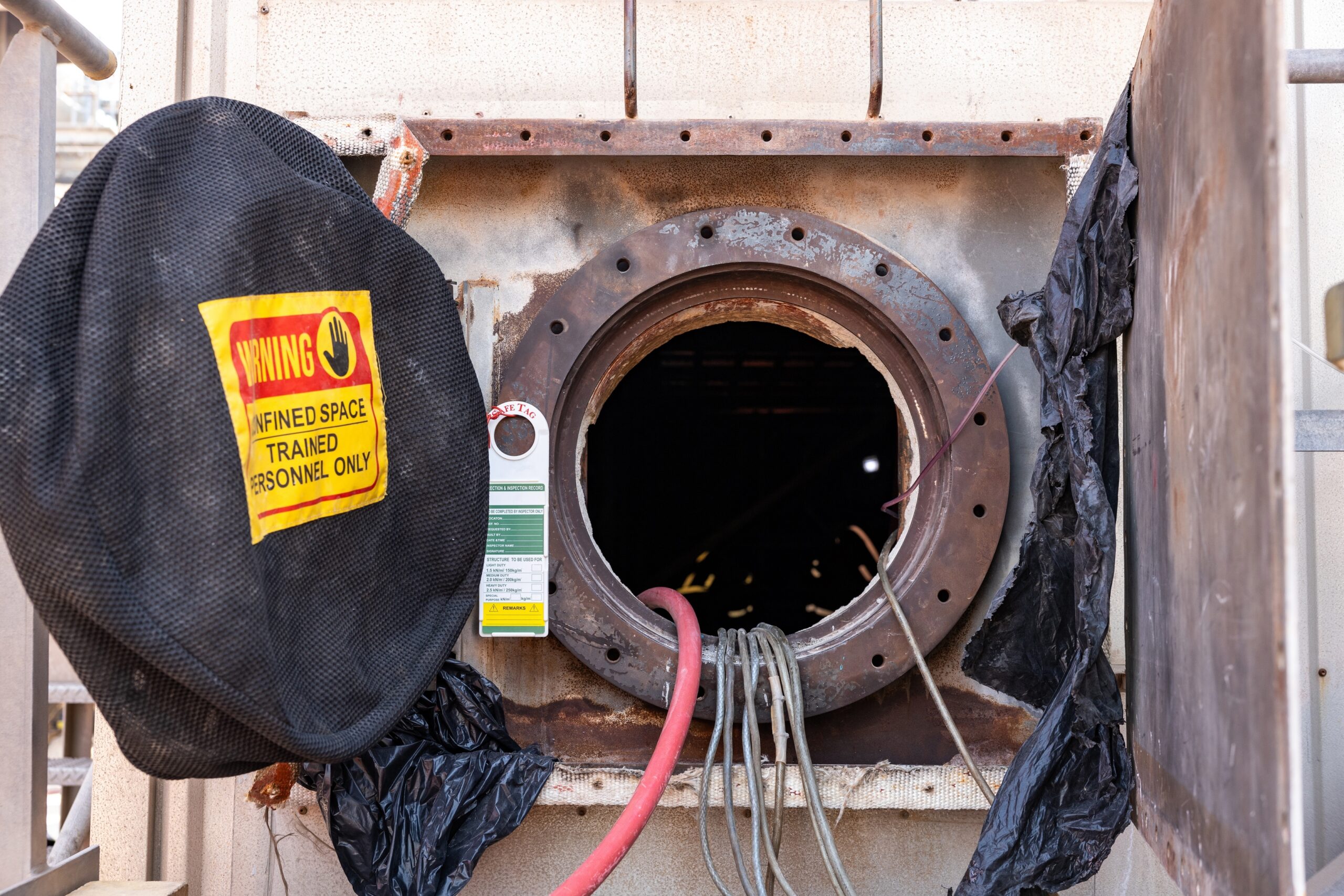
A confined space is defined as any enclosed or largely enclosed area which has limited access and exit points, and which is not designed for continuous human occupancy. These work areas carry significant safety risks and include examples such as tanks, silos, pipes, sewers, pits and drains. The risks associated with confined spaces include a lack of oxygen and a build-up of toxic gases, while a person can also be engulfed by liquids or solid materials, can suffer from extreme heat, lack of movement and poor visibility and is also at risk of fire and explosion. The specific danger of confined spaces also comes from the fact that these are often remote locations and can be hard to reach, access or to work in for rescue teams.
Why is confined space training essential?
In simple terms, confined space training is essential because it can save lives, but the specific reasons behind implementing confined space training include:
- Hazard awareness – Workers are able to recognise and identify hazards specific to a working environment and can prepare for them appropriately before entering the confined space.
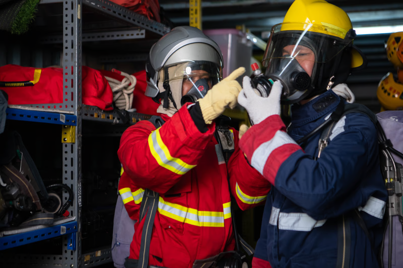
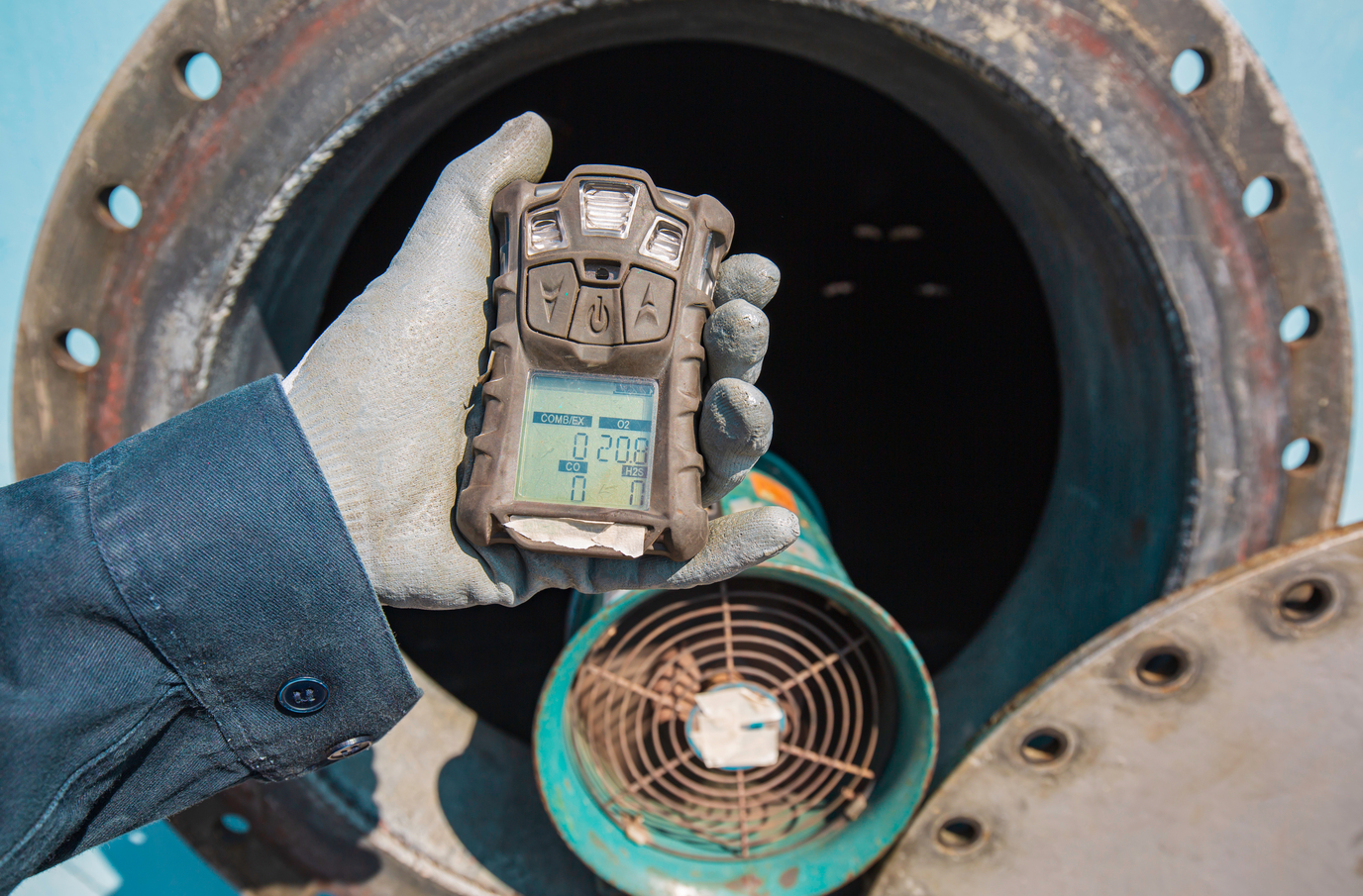
- Equipment use – Training programmes demonstrate how to identify the right type of safety equipment and how to use it.
- Emergency planning – People on a confined space training course know how to react in an emergency situation, and this level of planning can reduce the impact of a safety incident, possibly downgrading a fatal injury to only a serious injury.
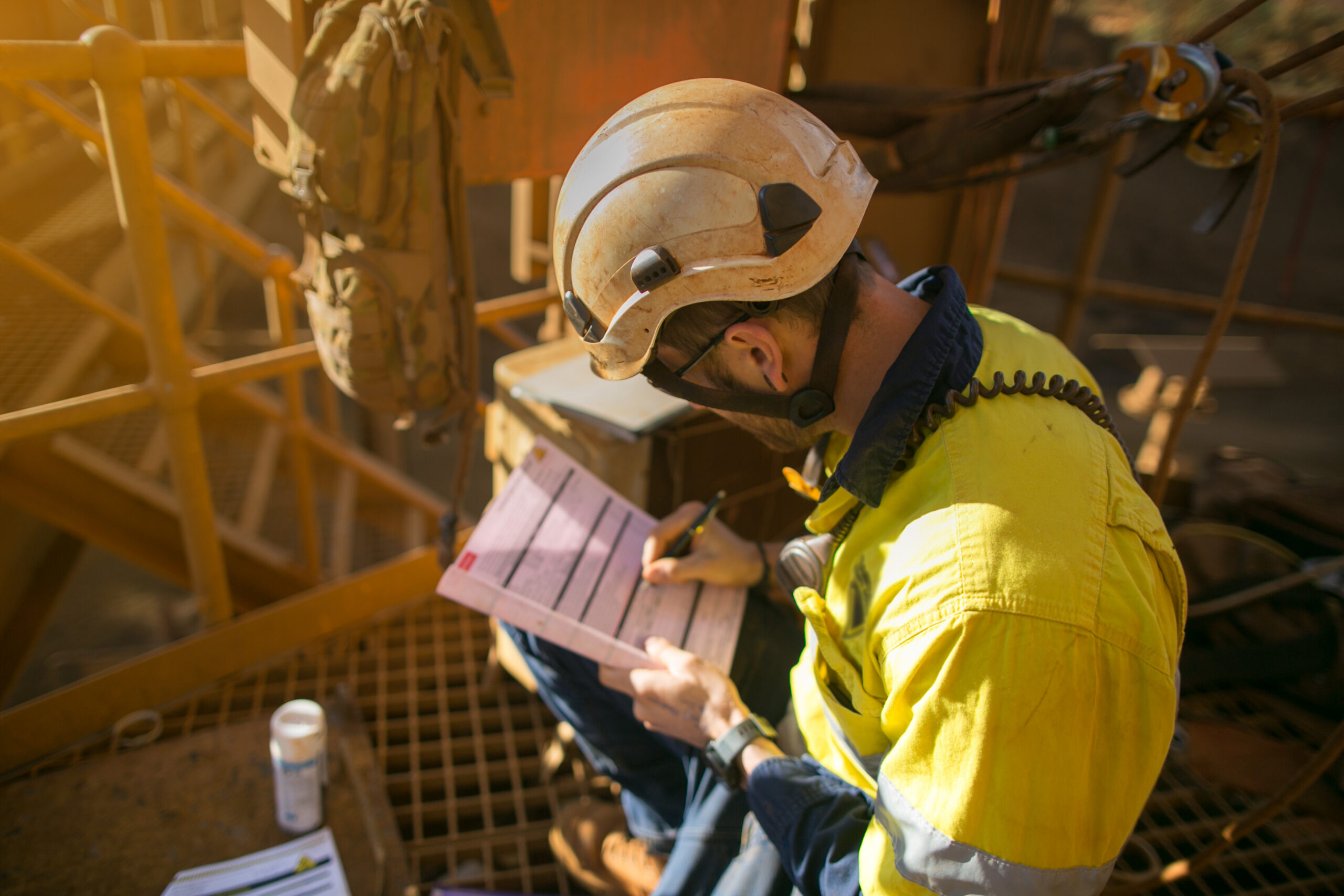
- Legal compliance – Safety regulations require an employer to ensure that all workers who are at risk from working in a confined space, have been suitably trained. Successfully completing an appropriate training course therefore satisfies this legal requirement.
Choosing the right type of confined space training
Civil Safety specialise in providing confined space training that is accredited and recognised by a formal certification body (City & Guilds), but also which is structured and can be tailored to the specific risk levels your employees may be facing. The different programmes that Civil Safety offer include:
- Medium Risk Confined Spaces for Entrant & Top Person Course
- High Risk Confined Spaces for Entrant & Top Person Course
- Working in Low Risk Confined Spaces – City & Guilds 6160-01
- Working in High Risk Confined Spaces – City & Guilds 6160-03
- Control Entry and Arrangements for Medium and High Risk Confined Spaces – City & Guilds 6160-04
- Working as a Member of a Rescue and Recovery Team in Confined Spaces – City & Guilds 6160-08
- Medium Risk, Entrant & Entry Controller, Confined Spaces – City & Guilds 6160-09
As you can see, these different training programmes relate to different roles but also different elements of risk; low, medium and high. It is therefore important that employers have carried out suitable risk assessments of all their operations, can assess each course and choose the one that is most appropriate to the risk level you have identified and the roles of your personnel. This is essentially matching training needs to the risk levels present in an organisation.
The benefits of matching training needs to safety risks
Matching your training needs to safety risks ensures that you are prioritising the biggest and most dangerous hazards and focusing your resources on the areas where the most impact can be expected. You can then select the training programme that is most appropriate for the dangers your team are facing. The benefits of this risk-based approach are:
- Reducing accidents – You are prioritising the biggest dangers and hazards, and making sure your team are aware, prepared and know how to react. This will ultimately reduce the number and severity of accidents.
- Strong safety culture – Training is more relatable because employees are learning how to deal with issues and hazards they face on a daily basis.
- Stronger knowledge – Focusing on actual skills and risks that an employee faces, means they are not wasting time on low-risk issues and are learning more valuable and practical skills.
- Compliance – Risk-based training ensures you are complying with legal requirements to control and reduce workplace hazards.
- Cost management – Better confined space training reduces the cost of accidents, claims, damaged equipment, lost work time and loss of productivity.
If you need help and support in choosing the right confined space training programme for your employees, contact our team at Civil Safety and we can find the most appropriate training course for your team.