Competence vs Certification: Are Your Staff Really Confined Space Ready?
July 2, 2026
Training is essential for high-risk health and safety operations such as confined space working, but this does not automatically mean your employees are always fully competent for the specific job in hand and the hazards they may face. It is dangerous to assume that certification always equals competence, and it is important that employers monitor this and make allowances with additional safety controls.
What is the difference between training and competence?
Training courses usually provide someone with knowledge and awareness, but can’t always replicate the real-life conditions a worker might face. A training course can demonstrate how to use certain pieces of equipment, how to identify hazards and how to follow safe practices and guidelines, but it can’t predict what kind of hazards and environments you are going to be working in.
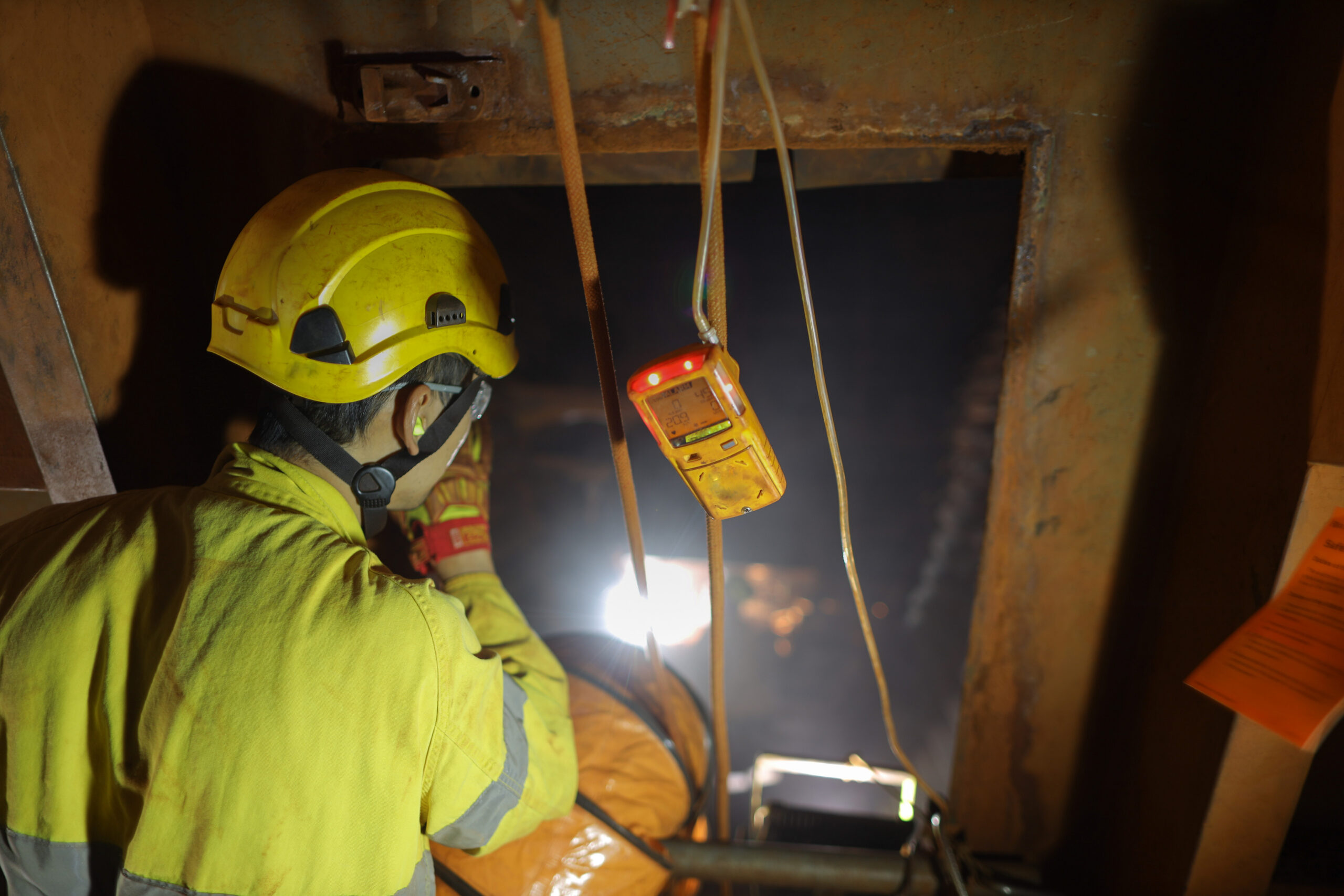
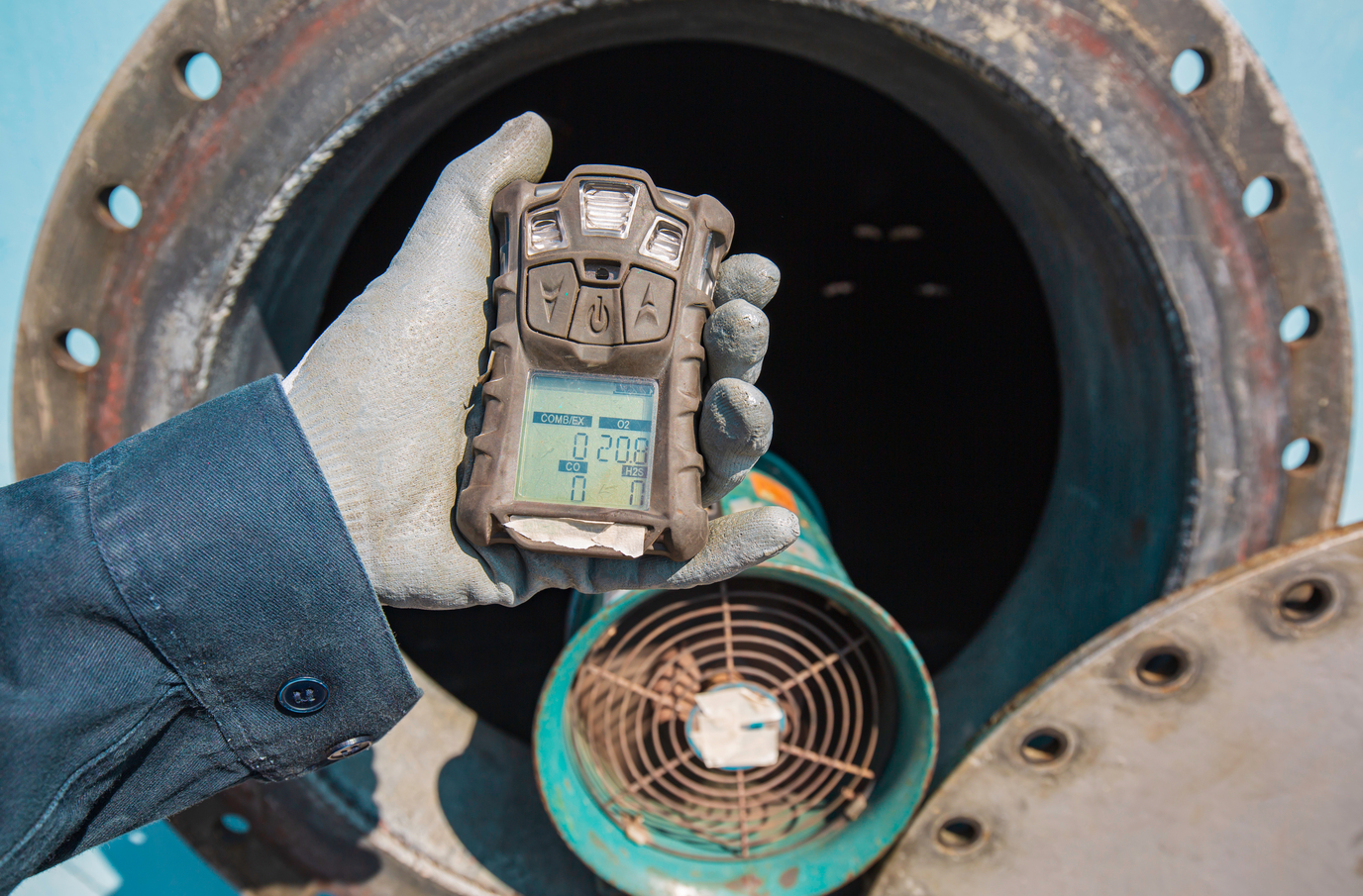
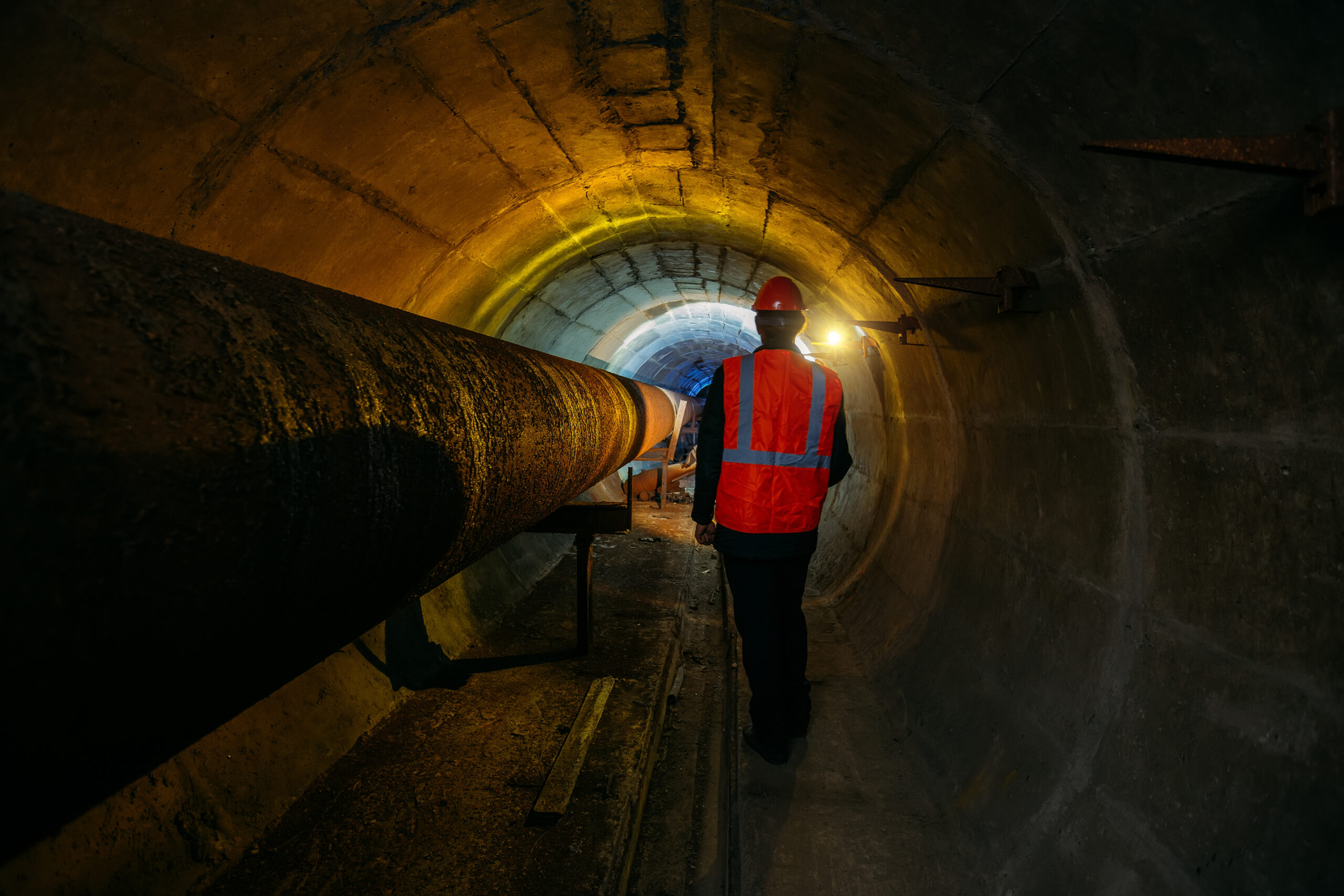
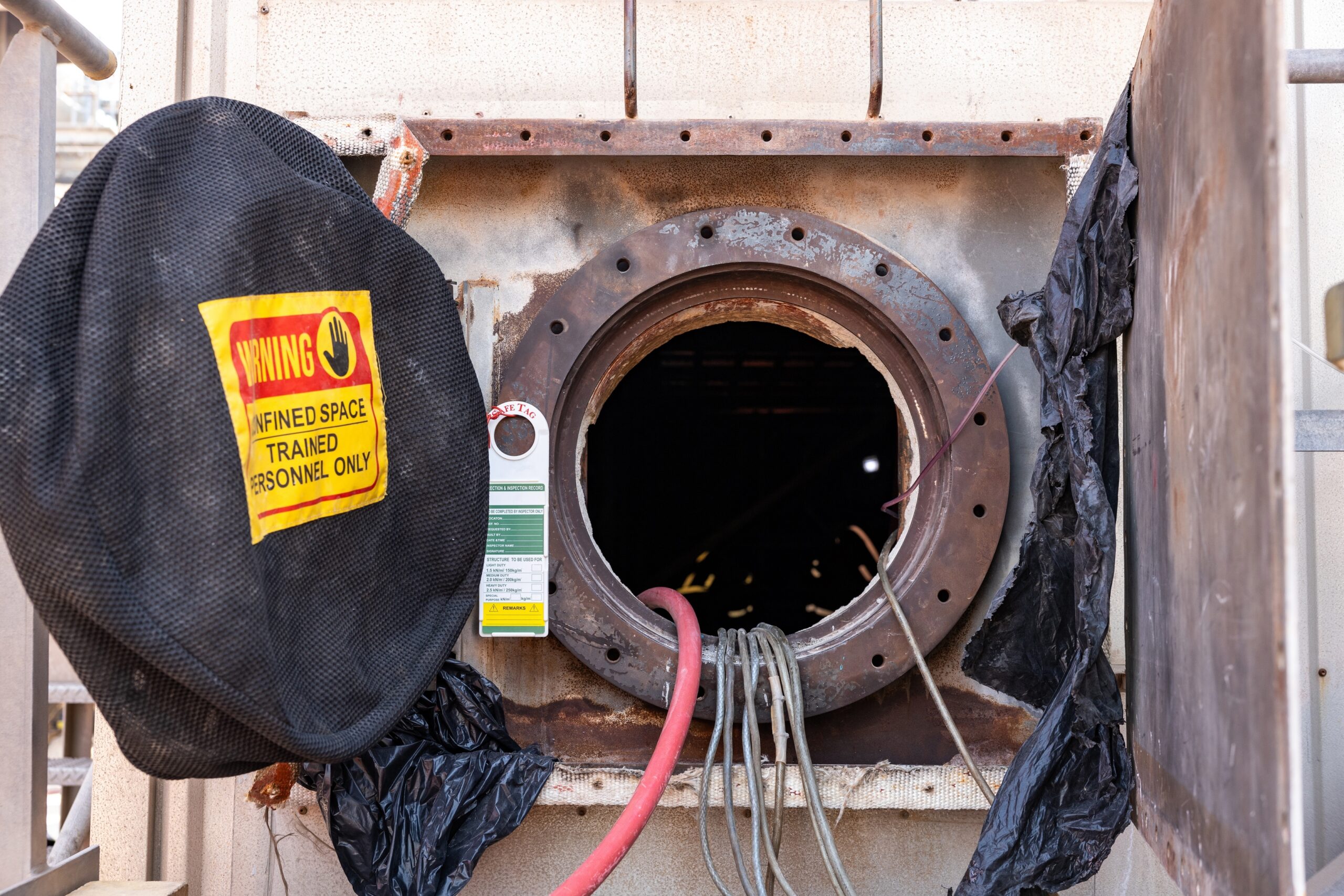
Confined space training is a good example of this, because so many different working locations can be classified as ‘confined spaces’, such as storage tanks, vats, silos, sewers, pipes, drains, flues, chambers, pits, enclosed trenches and ventilation shafts. These all present different hazards such as limited movement, physical obstructions, no natural ventilation, contaminants, toxic gases, extreme temperatures and areas of water.
A training course can’t reasonably foresee or prepare you for all these different environments and hazards, and will often require you to perform certain tasks in controlled and simulated environments. Also, training certifications can expire, which won’t necessarily make the skills and knowledge acquired redundant, but does mean they might need to be refreshed or they may not comply with the latest regulations.
Understanding the importance of competence
Competence can be defined as having training, but also combining this with skills, experience, knowledge and ability. This combination allows a person to perform a task safely. This means you can only claim to be fully competent if you have direct experience of a specific task and the unique hazards it involves. In order to claim competence for confined space operations, you would need to have the right training in the first place, but also:
- Practical experience of the environment and the task in hand
- An understanding of the risks involved
- An understanding of the safety controls in place
- The experience to make the right judgements with confidence and without supervision
- The ability to safely adapt these judgements should situations change
Clearly we can see that training is only a small part of having overall competence. And this is brought into focus when we consider the legal duties of an employer. Under the 1974 Health & Safety at Work Act, it states that employers have a duty to ensure employees are trained AND competent to perform a task safely.
In the event of an accident, an investigation wouldn’t simply ask for a training certificate as proof of competence, it should also ask whether training was suitable and sufficient and whether the employee was properly supervised. An employee can be trained and certificated but can also lack the confidence and ability to perform a task safely, and the employer has a duty to identify that and put programmes in place to avoid such failings.
How to prove competence in your confined space operations
A common problem with relying solely on confined space training is that skills fade, and if your employees only occasionally have the need to work in a confined space, they won’t retain the knowledge and understanding of what is required.
It also means that the training an employee undertook in previous years may no longer apply to current compliance levels, perhaps with the type of breathing apparatus required. Or maybe the training they undertook doesn’t relate to the specific hazards in the confined space you are asking them to enter. Under the Confined Space Regulations 1997, an employer must prepare a proper safe system of work and have a permit system to restrict entry to the confined space to people they deem to be competent. Ensuring only competent people undertake confined space work can therefore be achieved by:
- Carrying out additional on-the-job training which is more specific to the actual hazards being faced
- Supervising employees until competence can be demonstrated
- Refresher training at an appropriate frequency
- Restricting permit-to-works to people confirmed to be competent by the employer
Confined space training is essential for the safe undertaking of confined space operations, but this is just the starting point and has to be followed up with a range of management tasks relating to the specific operations and hazards unique to your business.
At Civil Safety we can provide professional and comprehensive confined space training to ensure your employees stay up-to-speed with the latest techniques, equipment and legislation and can keep their skills and knowledge sharp and sufficient.