Buying vs Hiring Confined Space Equipment: A Cost and Compliance Comparison
May 21, 2026
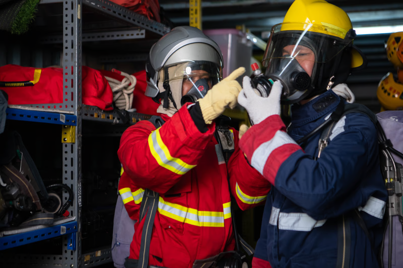
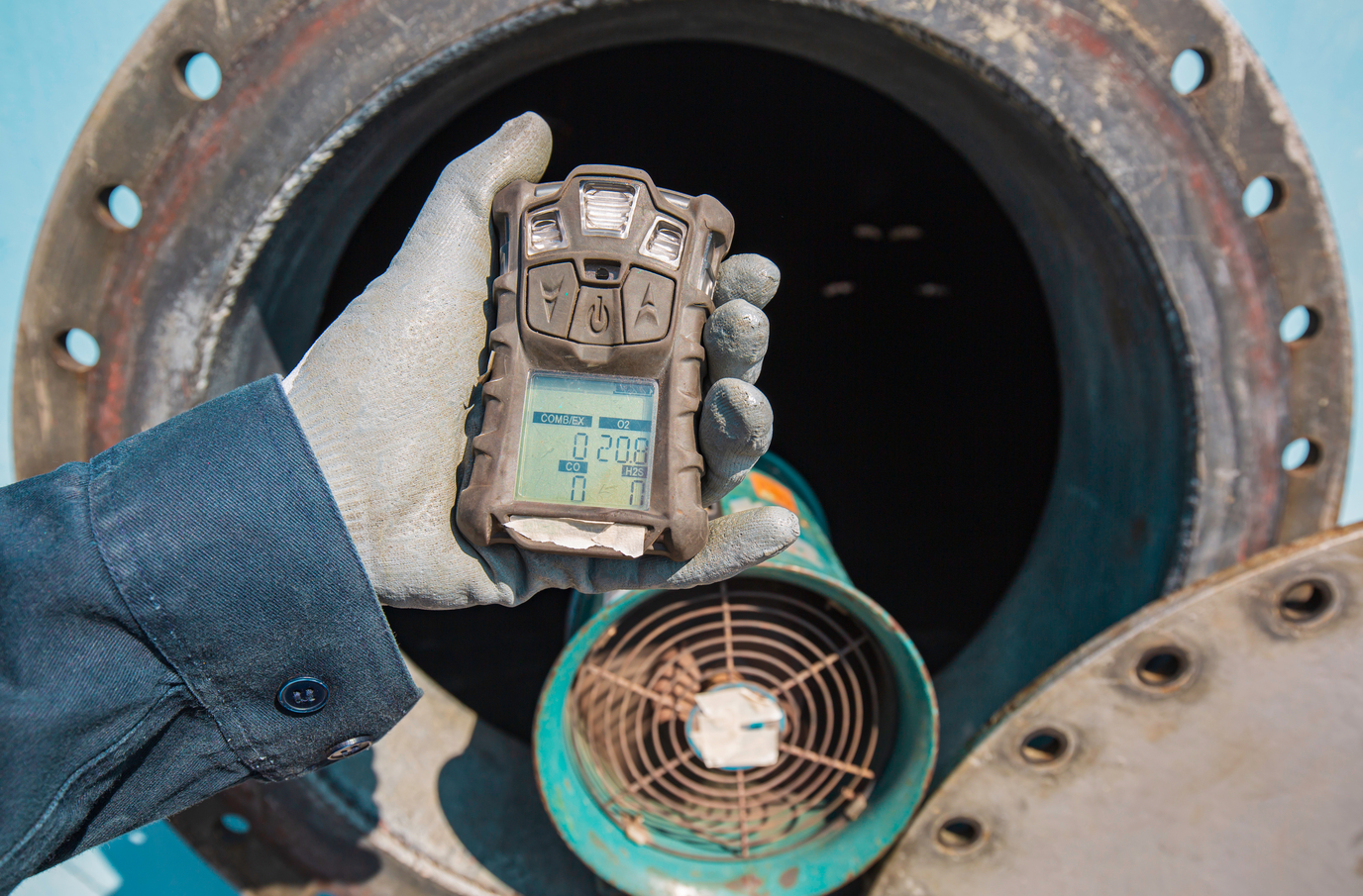
Working in a confined space is a specialist operation which requires considerable planning and preparation. A natural element of this is the sourcing of suitable confined space safety equipment, such as lifting equipment, fall protection equipment, breathing equipment, gas detectors and personal protective equipment (PPE).
An essential factor in sourcing this type of safety equipment is maintaining it and ensuring it is always available and in a state that it is immediately suitable to use. This is often a consideration when it comes to deciding whether to buy or hire specialist safety equipment for operations such as working in confined spaces. But there are many other factors also, so here we have put together an overview comparison which should help you appreciate the key things to consider and help you prioritise these when assessing the risks of your own confined space operations.
The risks involved with working in confined spaces
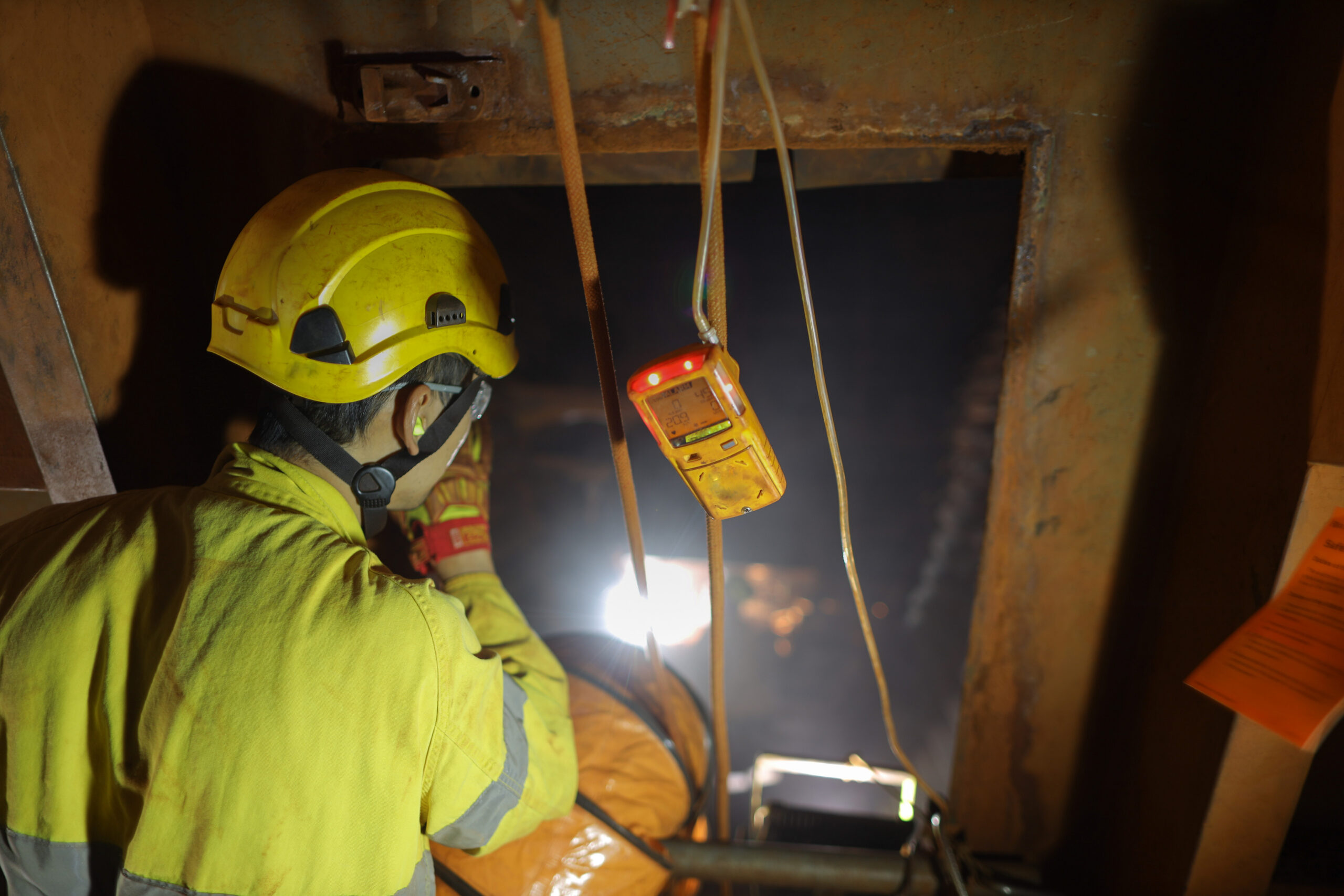
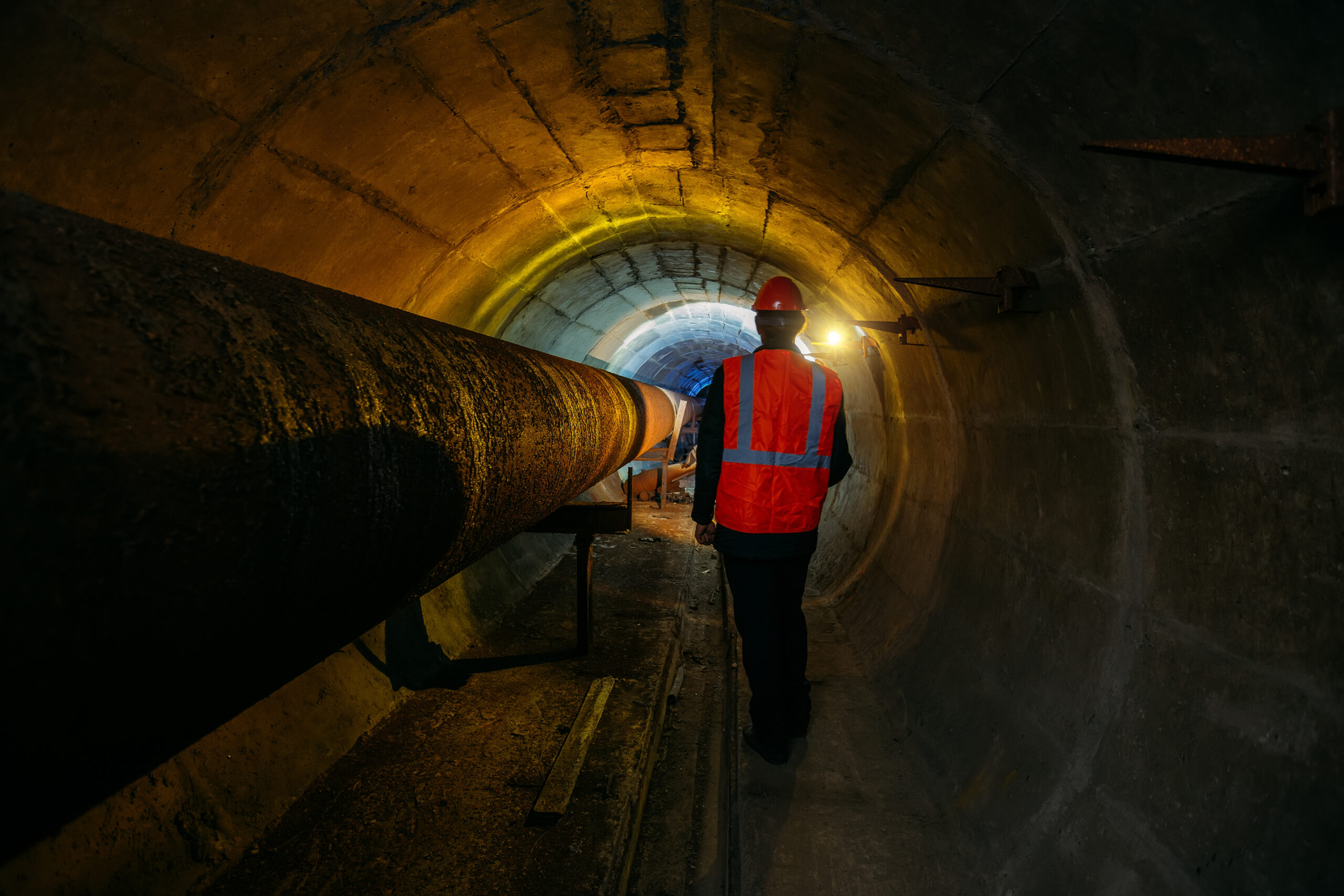
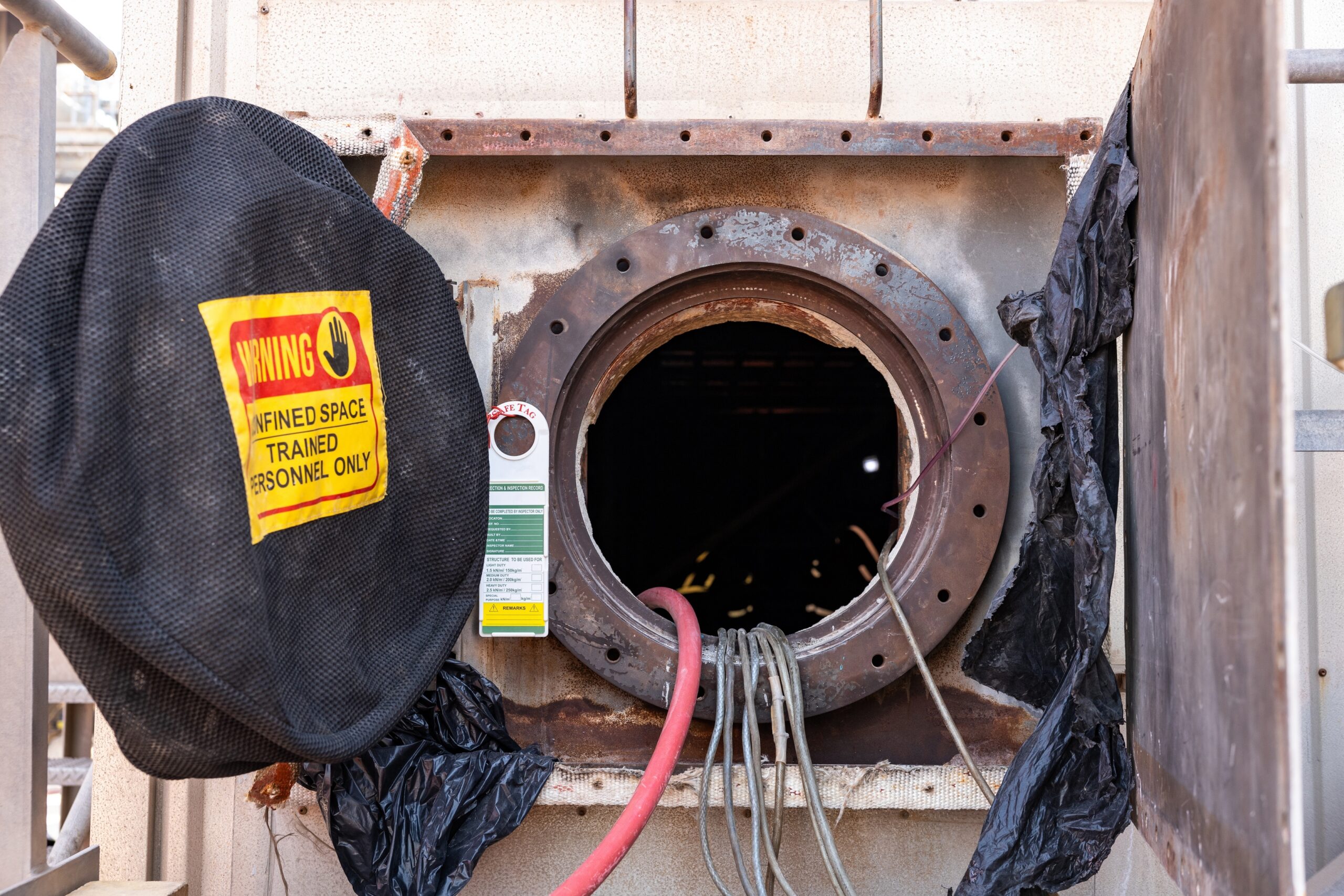
Confined spaces commonly found include storage tanks, sewers, silos, pipelines, boilers, manholes, tunnels and pits. Working in these locations presents a number of risks, including asphyxiation, toxic gases, fire and explosions, structural collapse and extremes of temperature. Confined spaces are often difficult to access, requiring specialist lifting or access equipment, made more difficult in emergency rescue situations. Strict risk assessments, training and emergency protocols are required in order to manage confined space working, therefore using specialist safety equipment is an important element of this.
Factors to consider when considering buying or hiring confined space safety equipment
There are pros and cons to each approach when deciding whether to buy or hire specialist safety equipment. These include:
- Service and maintenance
It is essential that you keep safety equipment in good working order. This means servicing, testing and in some cases calibrating equipment, and maintaining documentation to evidence this. When you own the safety equipment the responsibility to arrange and manage this falls on you, even if you choose to accept the extra cost for outsourcing service and maintenance. However, if you hire specialist safety equipment, all the servicing and maintenance will be done for you. This reduces costs and risk, and ensures you always have access to safety equipment that is ready to use.
- Compliance
Safety equipment has to be suitably maintained, as above, for compliance purposes as well as for safety purposes. Again, hiring equipment removes the administrative and cost burden of this, and also usually means you are supplied with equipment that has accompanying certification for compliance purposes.
- Initial investment
Buying safety equipment involves a considerable upfront investment, while hiring it makes the cost much more manageable. Hiring safety equipment spreads the cost and makes it much easier to budget for and control. This is ideal if your confined space operations are only temporary, or infrequent. If they become more regular over time, then you can consider buying this safety equipment as it may make more sense.
- Availability
If important safety equipment breaks down or becomes unusable due to wear and tear, you need to replace it immediately. This can be costly if you own the equipment and the time taken to replace could result in delaying important operations. If you hire this equipment instead, from a reputable provider, then you should have access to replacement equipment almost immediately. This can prevent damaging downtime for your operations and ensures time-sensitive operations such as confined space working are safe and cost-effective.
- Support
Once you purchase safety equipment and it is delivered, you are pretty much on your own. Hiring safety equipment means it remains the property of the hire services provider. It is therefore in their interests to ensure the equipment is used properly and looked after. Therefore, hiring equipment also often comes with technical support and basic training.
- Storage
If you only use confined space safety equipment for occasional projects, it doesn’t make sense to own equipment that you then have to store and manage. Hiring it means you can call upon equipment as and when you need it and don’t have to carry the cost or time management of storing it. This also gives you greater flexibility to scale projects up or down as needed, rather than having to purchase equipment quickly or be left with the burden of manging storage of unused equipment.
- New technology and safety standards
Just like anything else, safety equipment evolves in terms of design, materials and compliance requirements. You can manage his much easier by hiring safety equipment, because the responsibility for reacting to new technological and regulatory developments is not yours. Owning safety equipment carries the risk of it becoming obsolete and not complying with suitable safety standards and regulations. You then face the cost of replacing and upgrading it. Alternatively, hiring safety equipment means you always have access to the very latest products.
Sale, hire and servicing of confined space safety equipment
If you use confined space safety equipment every day, it may make sense to buy it and carry the cost of maintenance, compliance, storage and upgrading it as necessary. However, if confined space operations are a specialist task only undertaken sporadically, hiring safety equipment avoids upfront costs, maintenance costs and is easier to manage in terms of downtime, storage and having access to current equipment. In a safety-critical environment it may make sense to consider a hybrid approach for some equipment and combining purchase and hire as necessary. Ultimately, you need to assess the risk of each operation and make a judgement accordingly.
For safety equipment sale, hire and servicing, you can speak to our team at Civil Safety.