When Does Tank Cleaning and Tankering Become a Confined Space Risk?
Although there is a clear definition of what constitutes confined space operations, there are some circumstances in which a situation can develop and evolve, and an area of industrial operations can become a confined space when it wasn’t previously. In this kind of situation, there needs to be an awareness of what has changed, and how safety protocols need to be adapted. A good example of this is with tank cleaning and tankering.
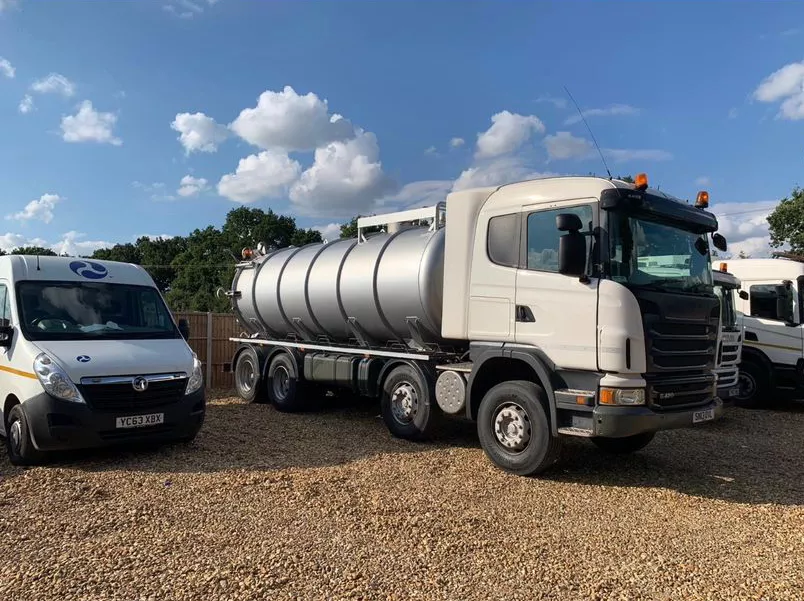
Tank cleaning involves working in tanks or process vessels to remove residual materials such as sludge, liquids and sediments. This is essential for hygiene and safety purposes, but also for operational efficiency. Tankering is a different type of process, which essentially uses specialised vehicles to extract, transport and dispose of these same materials. This is often hazardous waste which has to be disposed of at specialist treatment plants.
The definition of a confined space
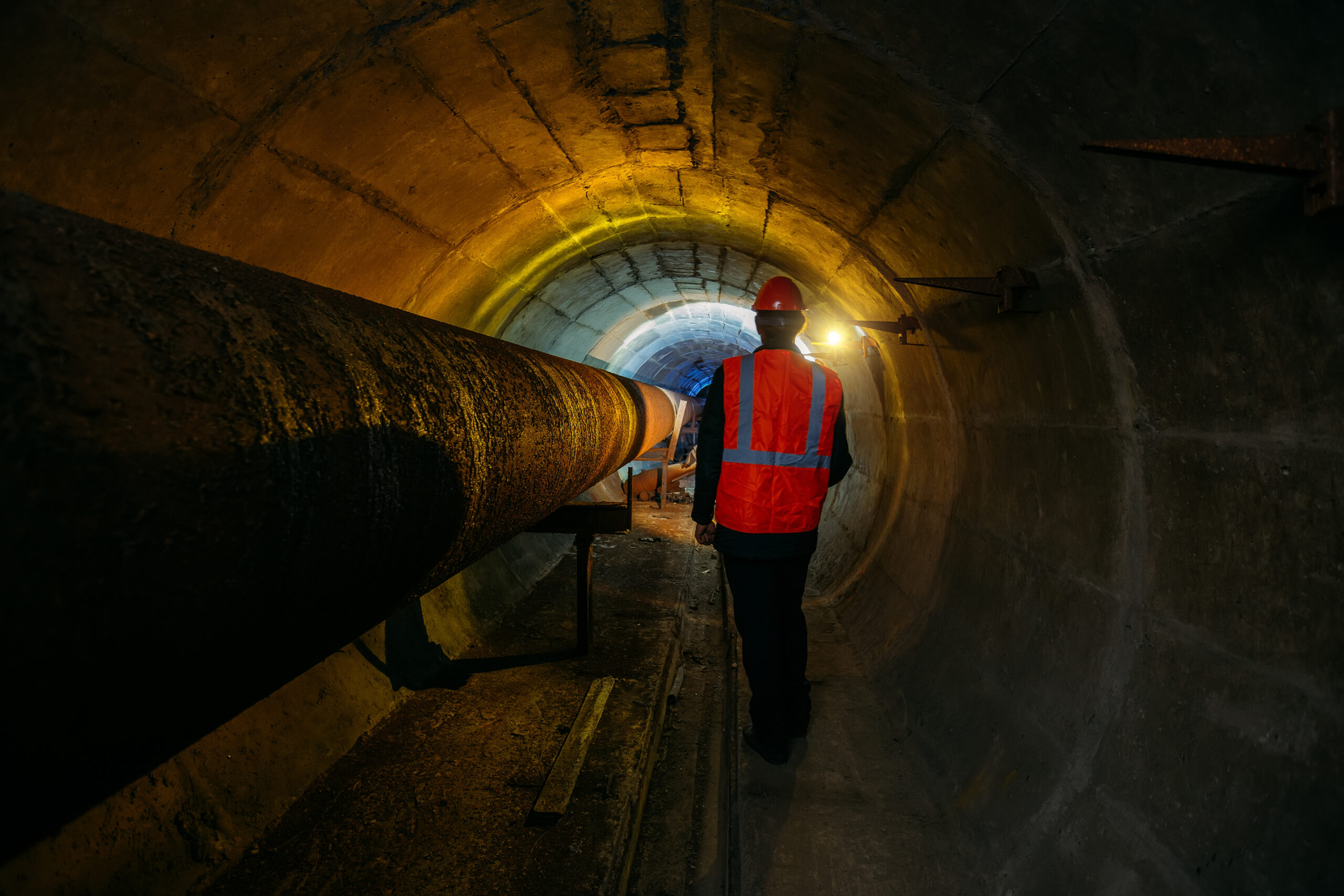
A popular misunderstanding with confined spaces is that they are always small spaces. This isn’t the case, and large spaces such as tanks and silos can be confined spaces if they have restricted access and egress, i.e. it is difficult to escape or to be rescued quickly, and there is a recognised hazard in place, i.e. flammable materials, gases or hazardous waste.
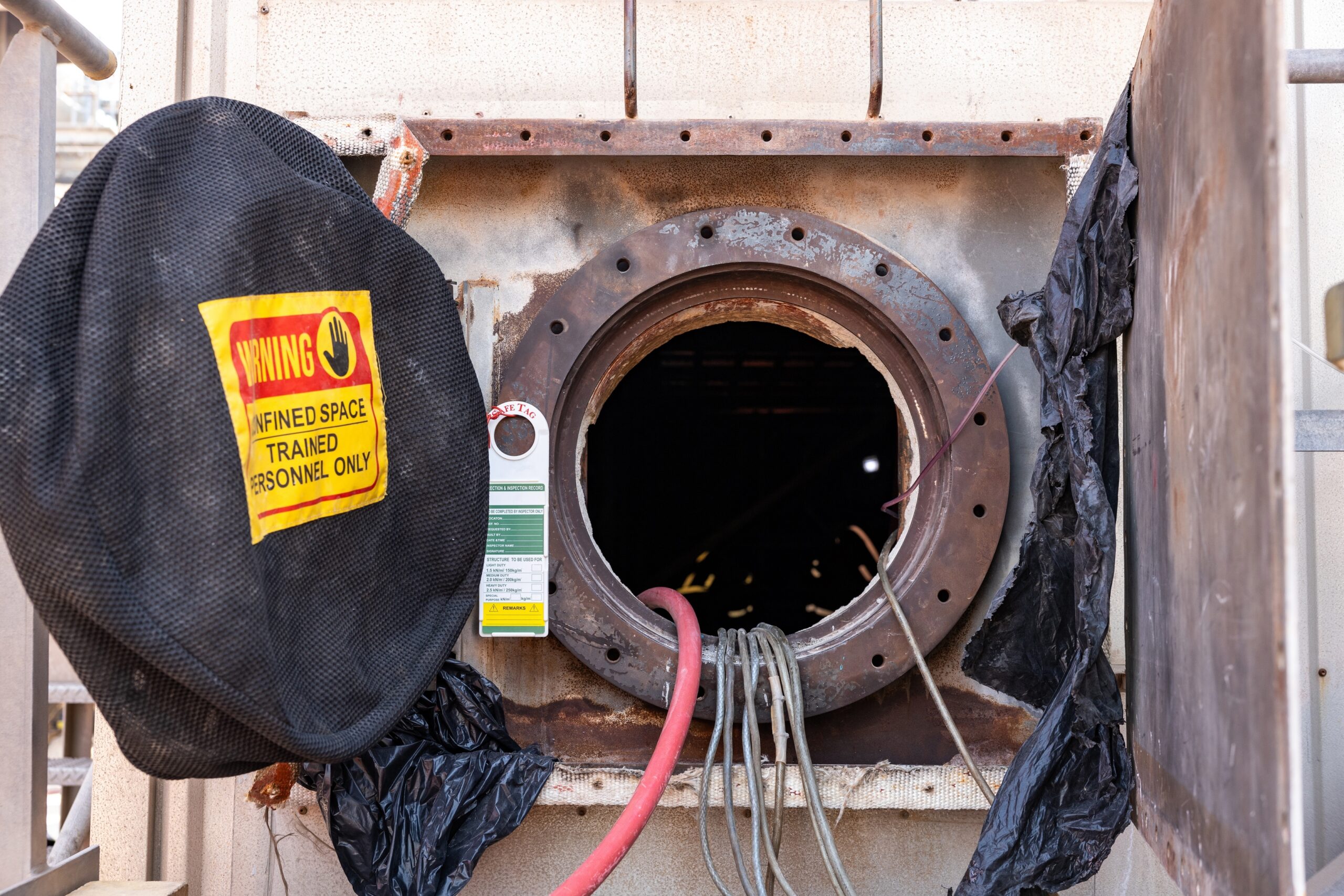
Tanks can therefore be classed as confined spaces because they are enclosed or largely enclosed spaces with restricted access and egress, and it is reasonably foreseeable that hazardous atmospheres or other specified risks may be present. Tankering operations can also present confined space risks where a tanker is opened within an enclosed area and hazardous fumes or vapours cannot disperse safely. In these situations, the risks must be identified and controlled before work begins.
Safety hazards during operations within a tank
Operations within a tank can present conditions that are hazardous or potentially life-threatening. This may be due to:
- A lack of oxygen – Hazardous materials in the tank can absorb any available oxygen, making it very difficult to breathe without suitable breathing apparatus. This could lead to asphyxiation.
- Gases – Toxic fumes can be emitted from hazardous waste regardless of how much material is in a tank or tankering vehicle.
- Flammable materials – There is always some degree of fire or explosion risk where hazardous waste is being stored in an enclosed space.
- Entrapment – A person can become trapped in a tank or tankering vehicle due to any of the above issues, but also due to a fall, or movement or collapse of the materials present.
- Operations within the tank – In addition to the environment itself being hazardous, operations that may need to take place in the tank or tankering vehicle can also present safety hazards. This includes chemicals used for cleaning, and how they react with any residual chemicals left in tanks, hot work that may be required in the tank, such as welding or cutting, and working in areas of sludge or solid waste can release pockets of gases which were otherwise unidentified.
Managing risk in tank cleaning and tankering operations
Ideally, tank cleaning and tankering operations should be undertaken without the need for a person to physically enter the tank, but it is acknowledged that this isn’t always possible. By following codes of practice and approved guidance for working in confined spaces, a business can develop a range of control measures and establish a safe system of work for tank cleaning and tankering operations. These should include:
- Hazard awareness – You should only authorise people to work in the tanks who are experienced, trained and qualified, and who understand the hazards of the operation and the risks that are present.
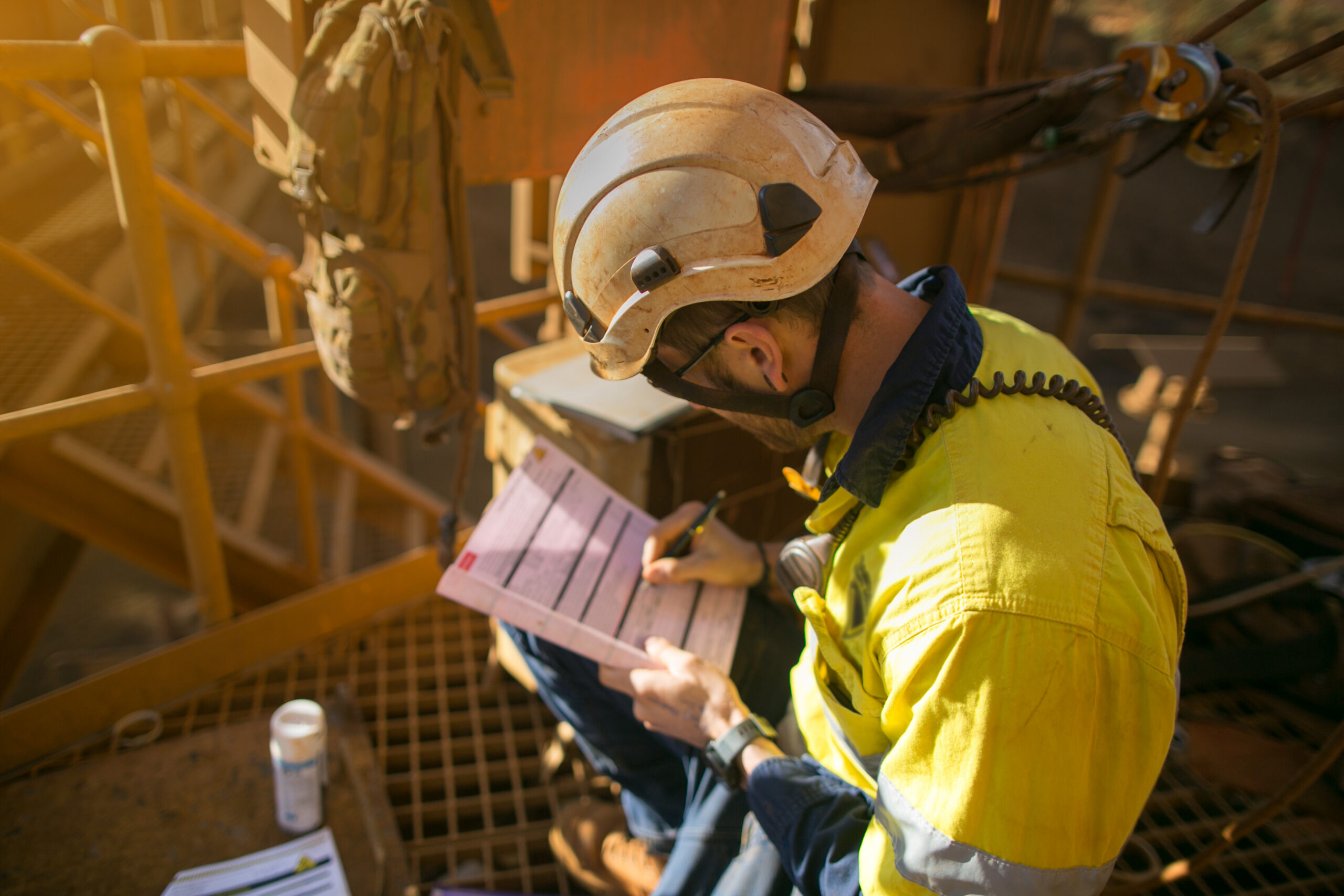
- A permit system – Introducing a strict permit to work system ensures that a space is thoroughly checked and approved prior to work taking place, and that people in the tank are registered and authorised to be there.
- Isolating the tank – By isolating all inlet and outlet points, it is possible to ensure no materials or substances can enter the tank to alter the environmental conditions, while work is being carried out.
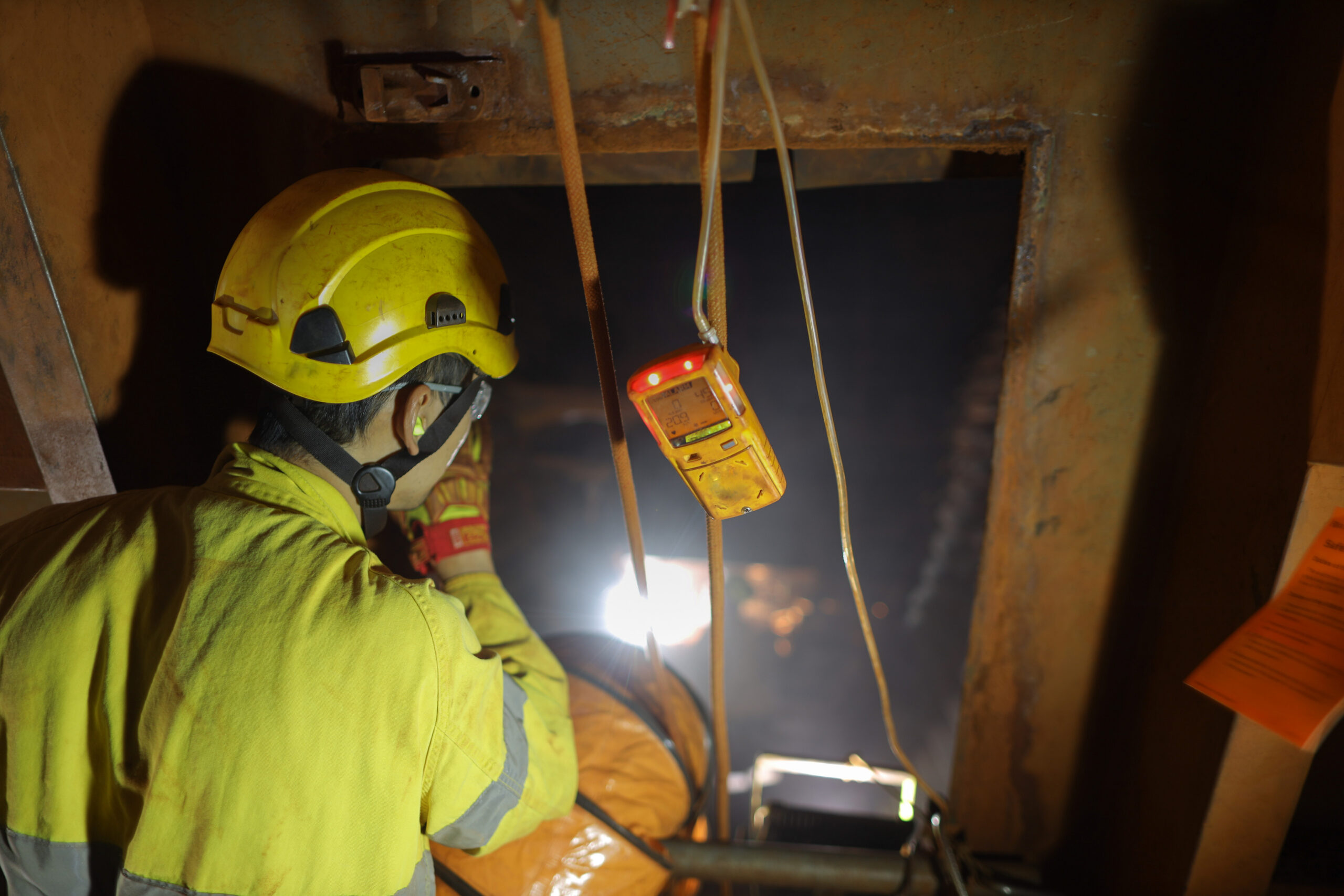
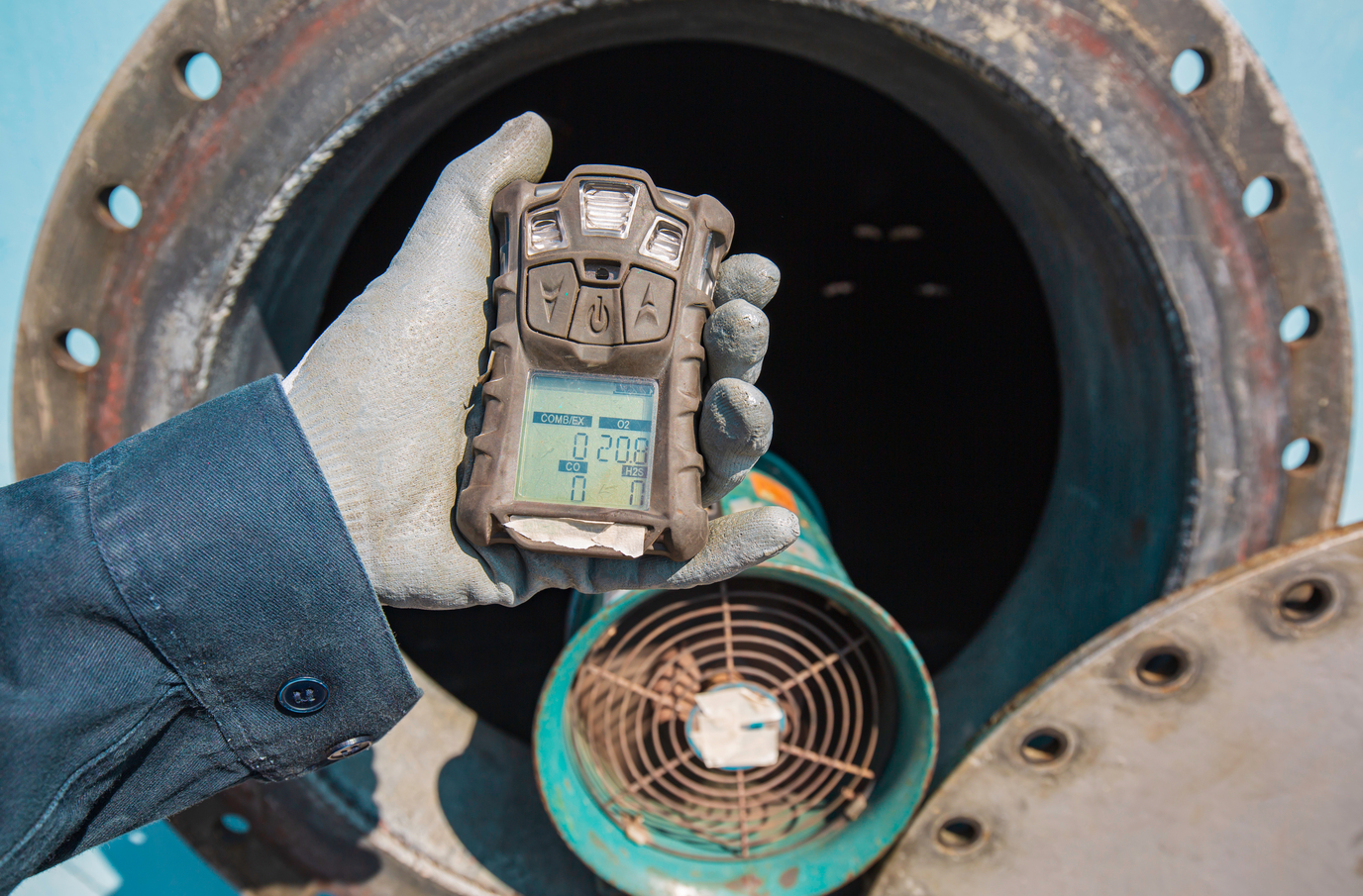
- Testing – Using specialist test equipment, such as gas detectors, it is possible to monitor the atmospheric conditions for oxygen levels and toxic gases. This needs to be done before work takes place, and periodically during the work, to identify any change in levels which requires immediate action.
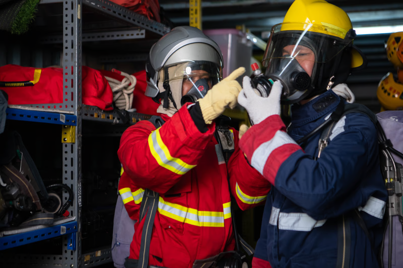
- Safety equipment – The person entering the tank and people on standby should be provided with effective and appropriate confined space safety equipment.
- Communications – There should be a process in place to ensure the person in the tank can effectively communicate with those on standby outside the tank.
- Emergency plans – A system needs to be introduced whereby there are people on standby who can react if a problem occurs, and who have a practiced routine for evacuating people from the tank. This can be a designated person, or a fully trained confined space rescue team, as appropriate. There also needs to be a process whereby emergency services are notified if necessary.
Managing your confined space operations
At Civil Safety we can support you in managing the health and safety risks of confined space operations. This includes confined space training courses, supplying confined space rescue teams and providing safety equipment for confined space working.