Why Regular Rescue Team Drills Are Essential for Workplace Safety
February 24, 2026
Where risk assessments have identified the need for a rescue team in a particular workplace situation, being prepared and well practiced is an important element of that rescue team being effective. Because a rescue team is deemed necessary, this automatically points to a high risk factor and the potential for emergency situations occurring. In this kind of scenario, every second counts and it is important that safety drills take place and that the team members involved take them seriously. Regular rescue team drills could make a critical difference in a life or death situation.
Here we have outlined the key reasons why rescue team drills are essential and this can help you in being fully prepared for emergency situations, and suitably practiced in how you would respond.
What is a rescue team drill?
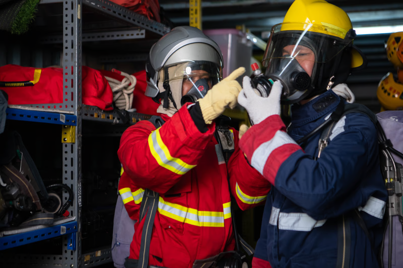
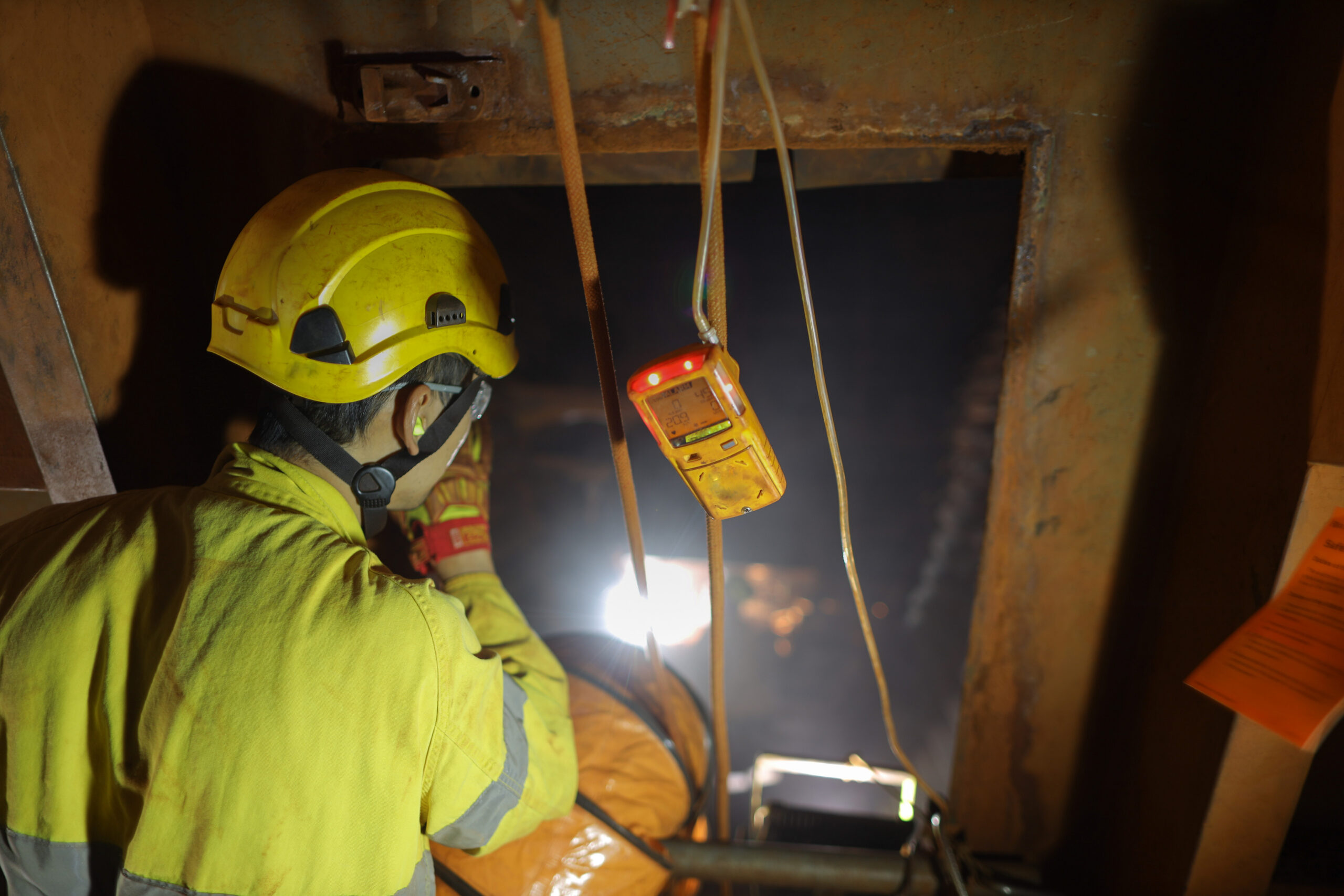
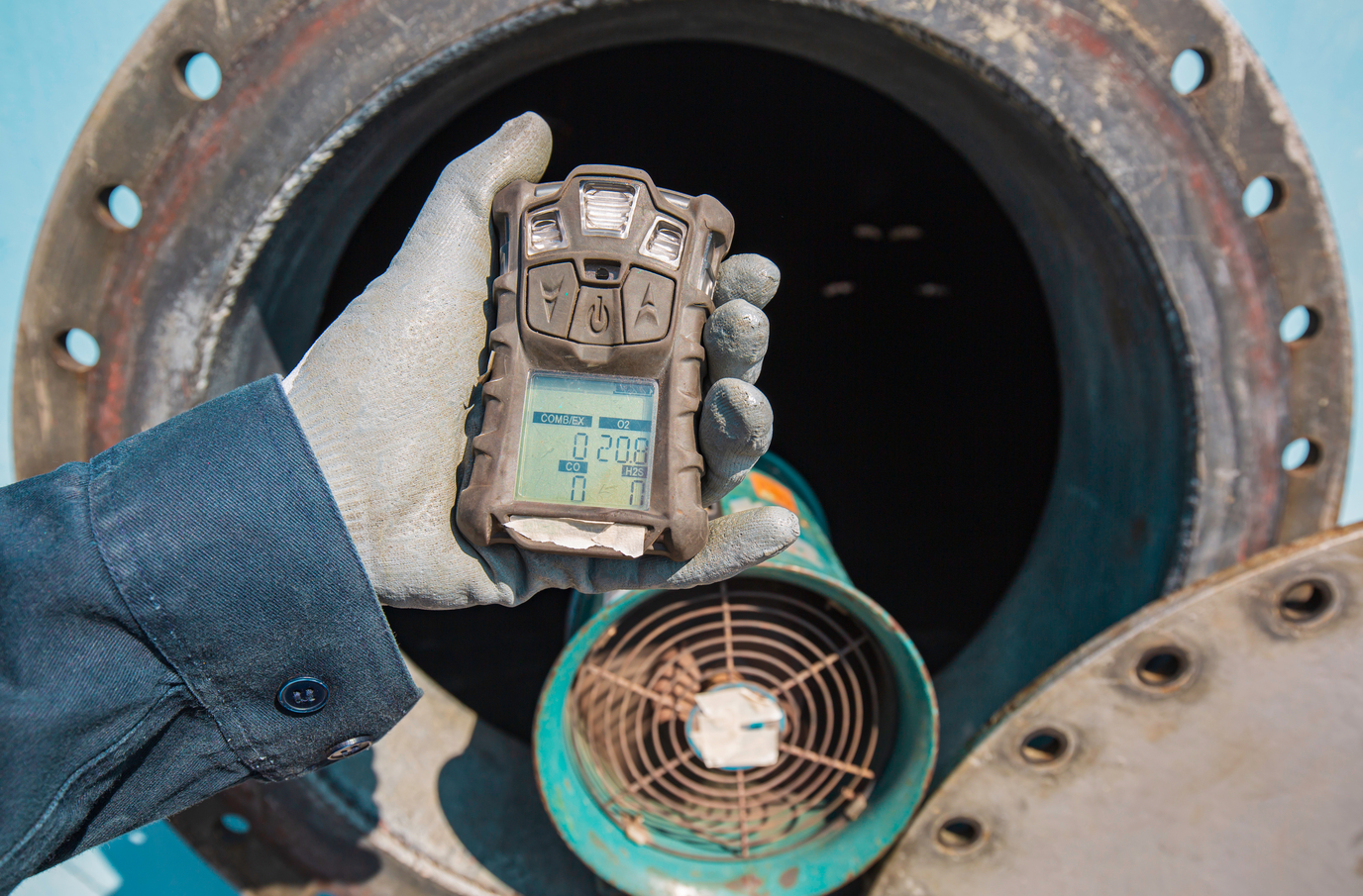
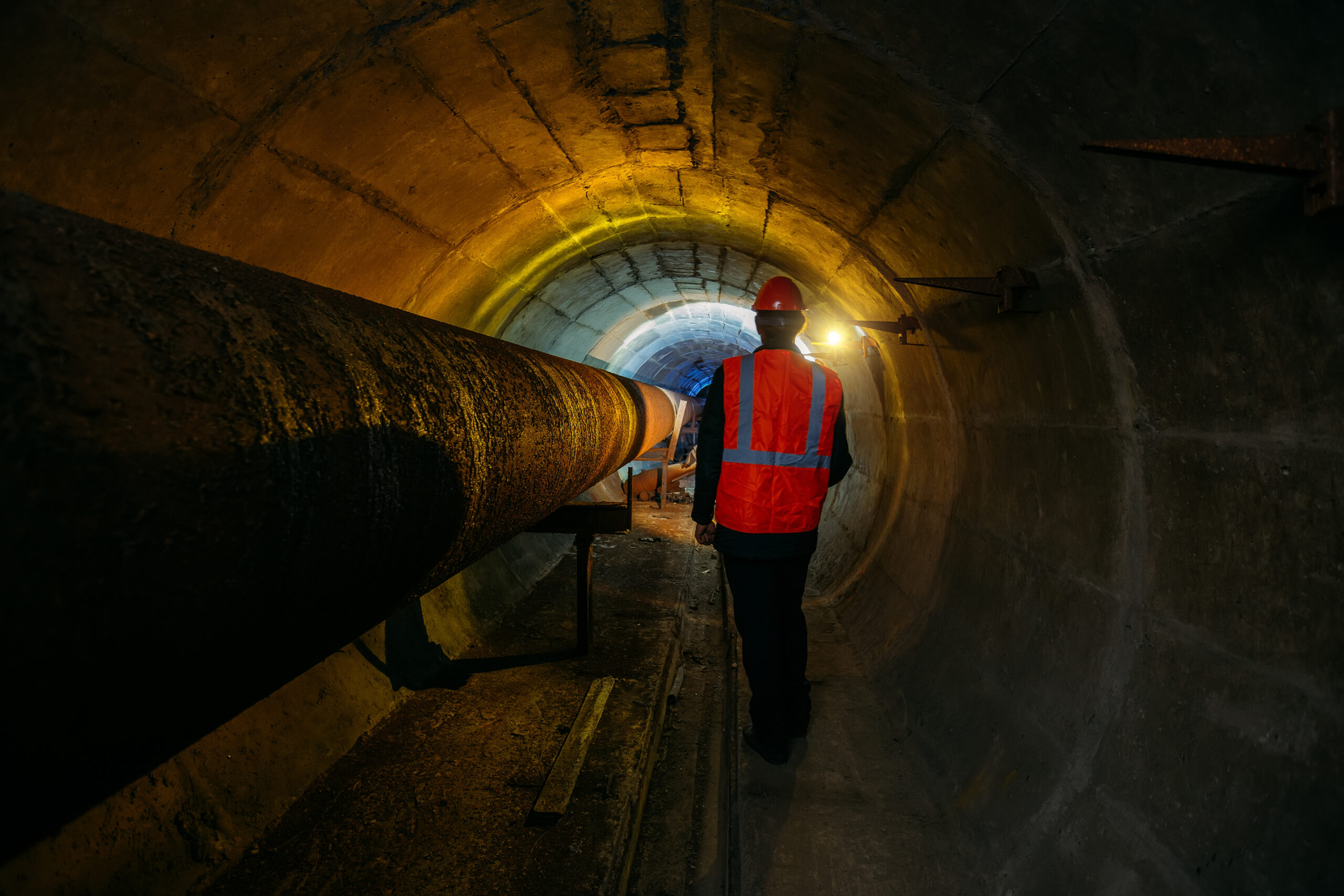
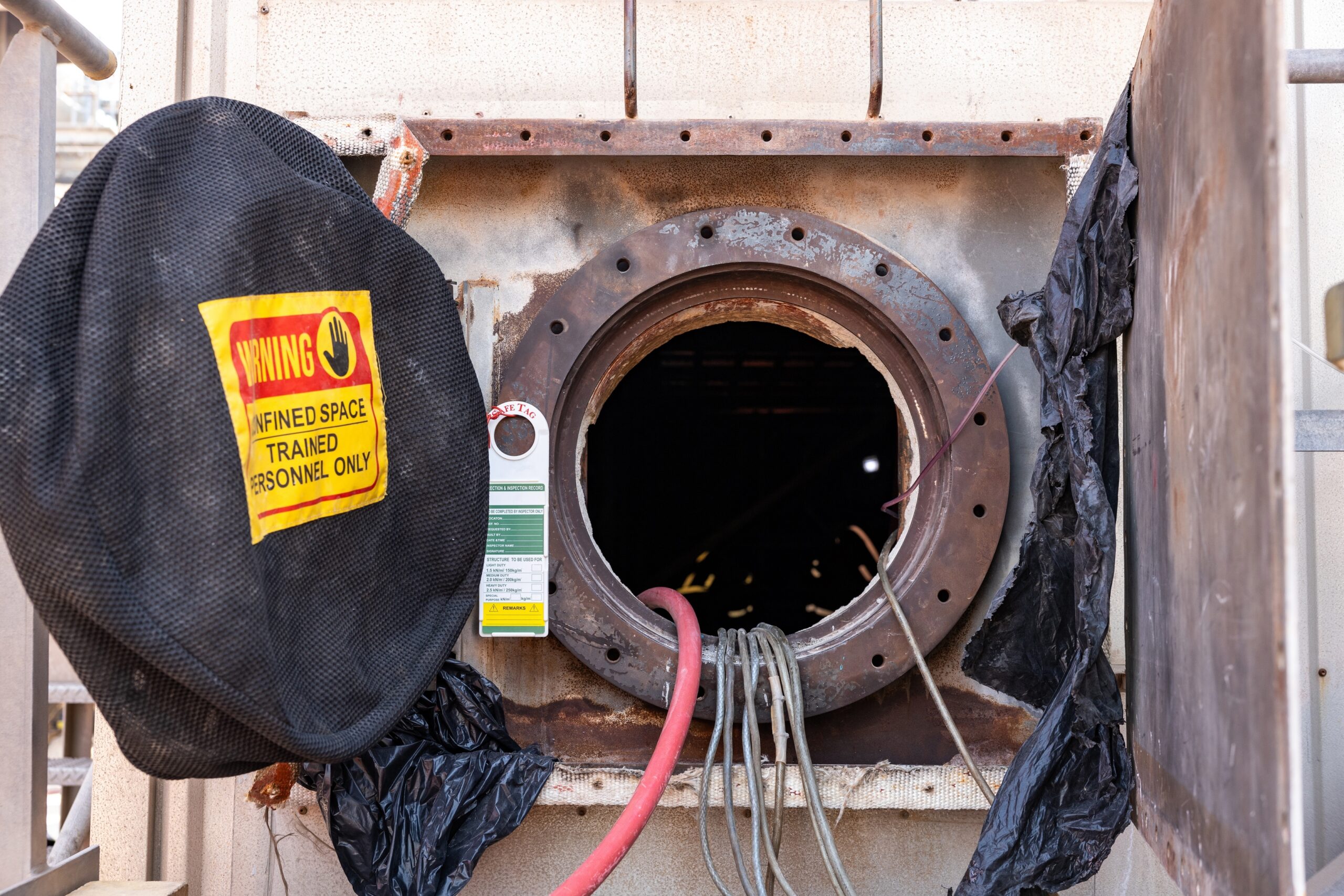
First of all let’s establish exactly what a rescue team drill is. The specifics of a rescue team drill will differ according to the nature of the operations and the risks involved, but essentially, a rescue team drill is a planned simulation of an emergency situation in controlled conditions, which is structured to present the safety risks most likely to be faced, such as in deep water, in a confined space or when working at height. The drill can present a range of different scenarios and the team can practice how to respond effectively in each case, using the rescue equipment and safety protocols which have been established as standard. A good rescue team will carry out these drills on a regular basis to ensure every team member remains fully accustomed to the correct ways to respond in each case.
Why rescue team drills are important
- Emergency preparedness
To some extent, emergencies are unpredictable, but if the risk potential is there, a rescue team can practice how to respond and can therefore be quicker and more decisive if a real-life situation occurs. Being familiar with equipment, routes, protocols and the different roles of different people can reduce panic and make the process happen quicker, which could make a critical difference.
- Building confidence
Rescue team drills provide clarity over everyone’s roles, this reduces fear and panic and means people can remain calm and are more likely to make the right decision when under pressure and when it really matters. It also gives the team members, and other employees, reassurance that adequate safety measures are in place.
- Identify flaws
By carrying out regular rescue team drills you can identify something that has changed or that is below standard, which could make a critical difference in a real emergency situation. For example, this could be a piece of equipment that is damaged or worn, a personnel training need, or perhaps an exit or signage is no longer suitable. Identifying these flaws in a rescue team drill allows the team to make changes and improve the process to create stronger procedures for when it really matters.
- Improve safety management
Fundamentally, being better prepared for emergency situations reduces the risks prevalent in the workplace. It means hazards can be identified and people know how to respond. Regular rescue team drills reinforce the importance of preparedness and response, meaning employees will see and understand the commitment to workplace health and safety and will respond accordingly with their actions.
- Legal compliance
The employer has a duty of care to protect employees and conducting risk assessments is a key element of addressing all the safety risks inherent in the workplace. Rescue team drills are an important response to risk assessment findings and ensures the employer complies with their key responsibilities. This can help keep the business in compliance with the various health and safety laws, as well as insurance requirements.
- Rescue team improvements
Practice makes perfect and if a rescue team regularly practices its drills it will iron out problems and find ways to do things quicker. Ultimately this will improve how effective the team is, which can make an important difference in an emergency situation.
- Use of equipment
By carrying out regular rescue team drills the team can become familiar with specialist equipment and how it is used. This training and familiarity helps to make the rescue process smoother, faster and more effective.
Civil Safety for all your rescue team needs
If you need a rescue team for your workplace operations, then Civil Safety can provide qualified, accredited and experienced professionals who can be appointed to suitably respond in emergency situations. We can also carry out comprehensive training programs for your existing confined space rescue teams, which includes the importance of regular rescue team drills. So if you need rescue teams to control the risks existing in your workplace, contact our team at Civil Safety today.