The Consequences of Non-Compliance in Confined Spaces: Fines, Delays and Risk
November 18, 2026
Confined spaces are one of the most challenging environments to manage in terms of health and safety. This is because they present unique risks which are not found in other environments, and many of these risks are extreme and require specialist expertise to identify and control. For this reason, working in confined spaces is an activity that is heavily regulated and considerable management resources are required to meet compliance standards. This is a requirement from a legal standpoint, but also from a safety standpoint, and the flipside of this is that non-compliance has significant consequences.
Any organisation performing operations which require contact with and entry into confined spaces needs to prioritise legal compliance, which requires a structured approach to identifying risks, implementing safety controls, training employees and closely monitoring these operations. Implementing these actions properly should result in satisfactory legal compliance, and in this article we will outline the possible consequences of not meeting the required standards.
What is confined space compliance?
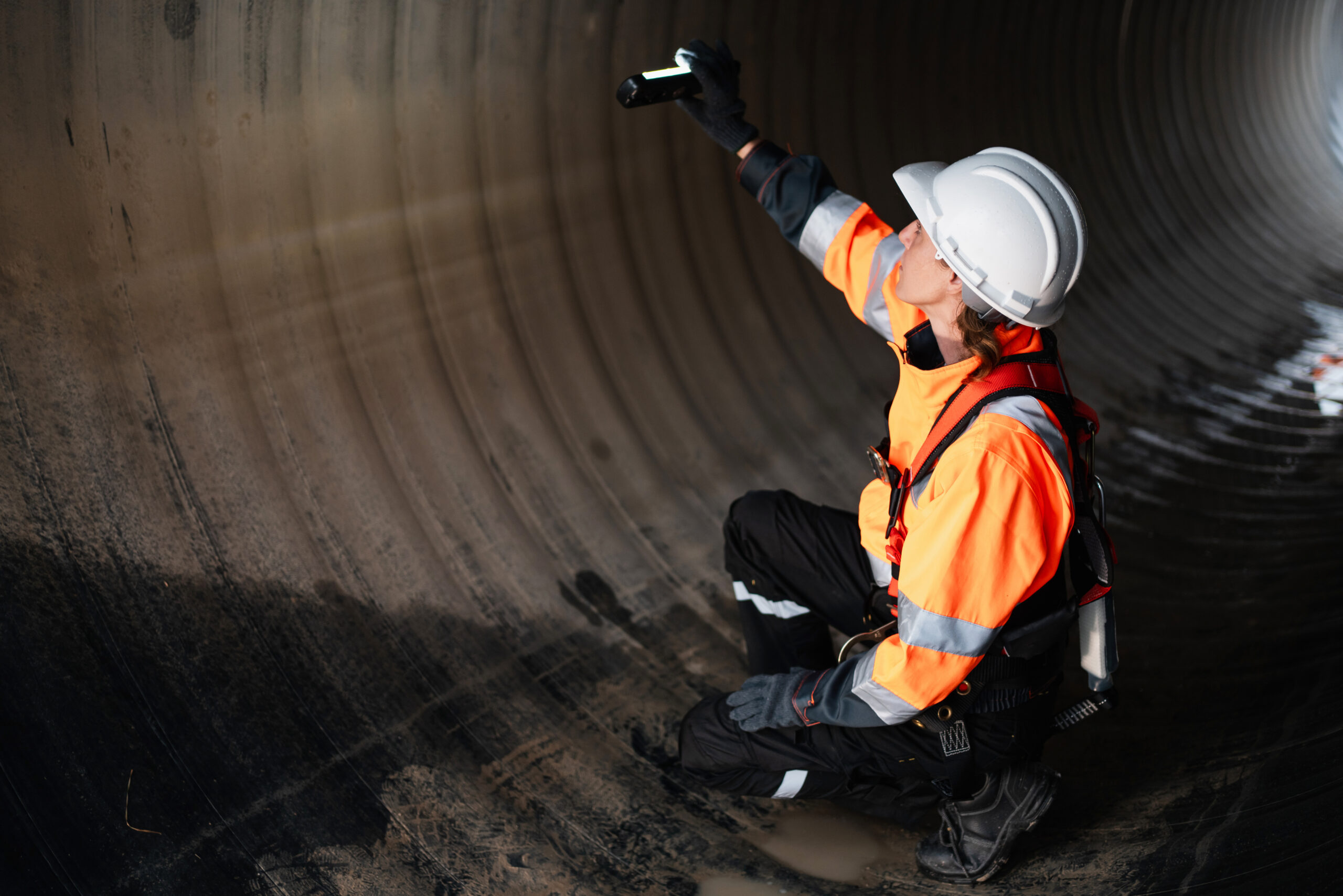
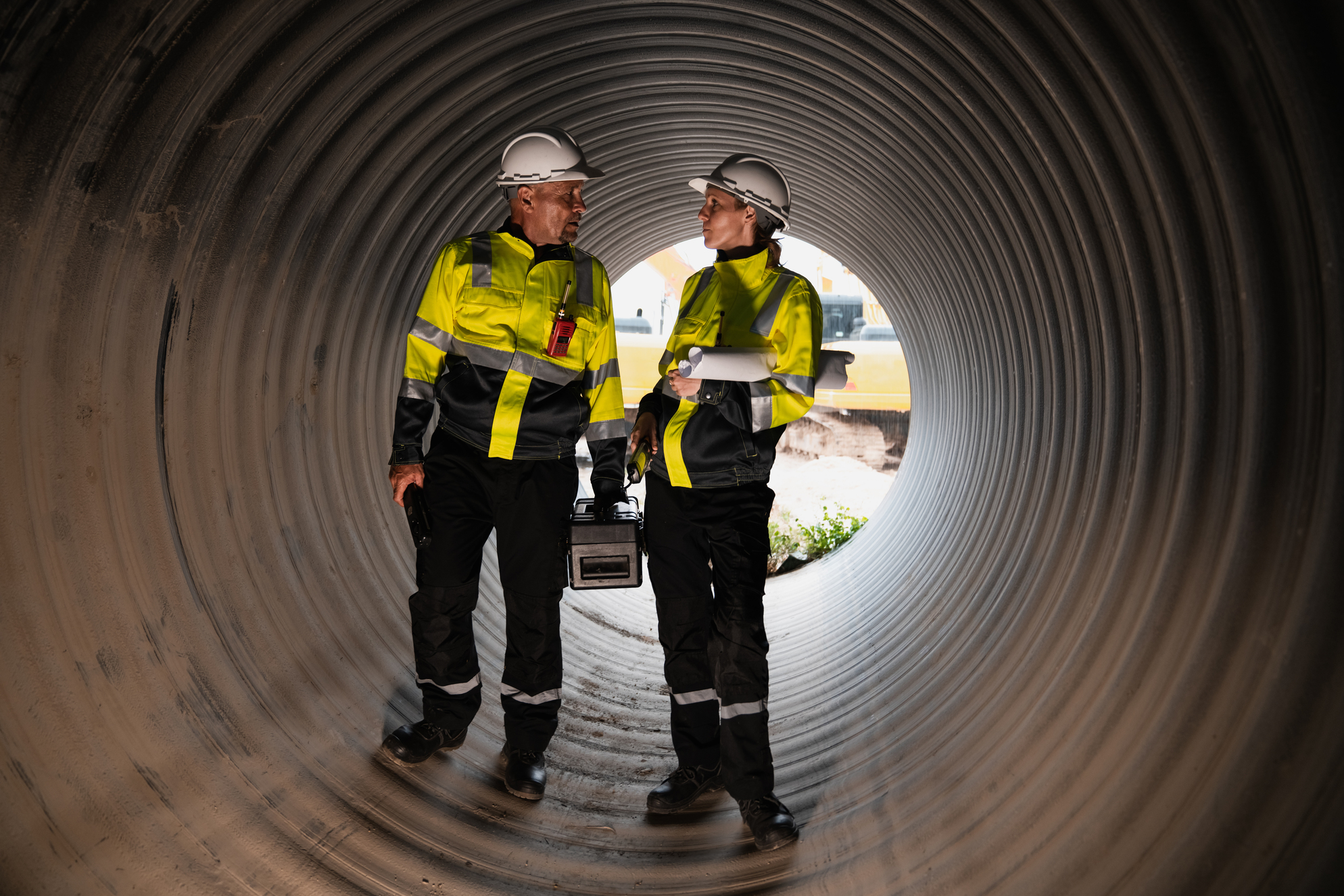
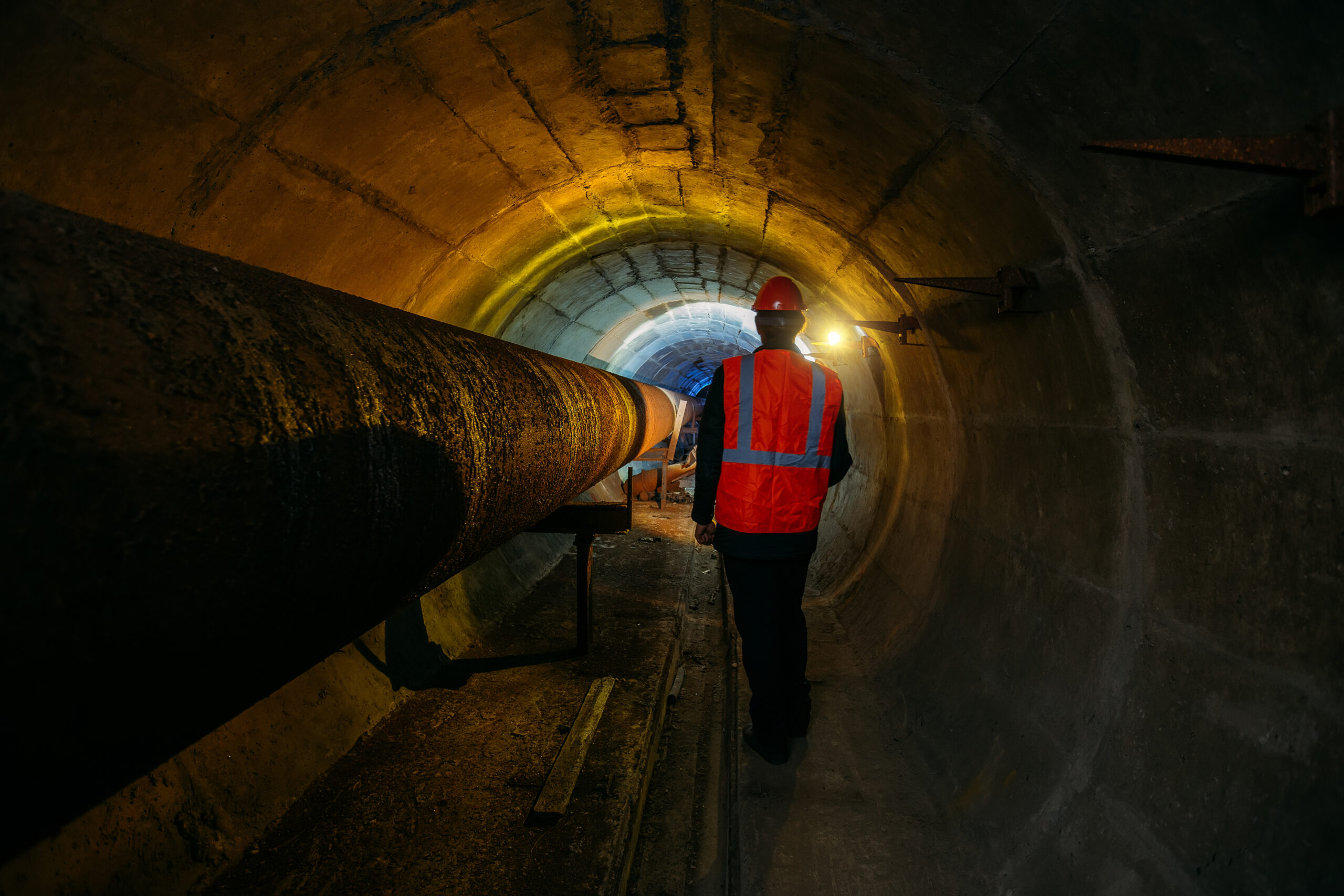
Confined spaces are defined by the Health and Safety Executive (HSE) as a space that is either enclosed or largely enclosed, and which has limited areas of access and egress. It is also a space in which a person would not normally be expected to work. Common examples of confined spaces are chambers, pits, silos, tanks, vats, pipework, trenches and sewers. The enclosed nature of these environments presents a foreseeable risk, but this is in addition to material or environmental risk from issues such as fire, explosion, asphyxiation or hazardous materials.
If it is absolutely necessary for a person to enter a confined space to carry out an operation, and this can’t be avoided, safety compliance under the Confined Space Regulations 1997, would involve:
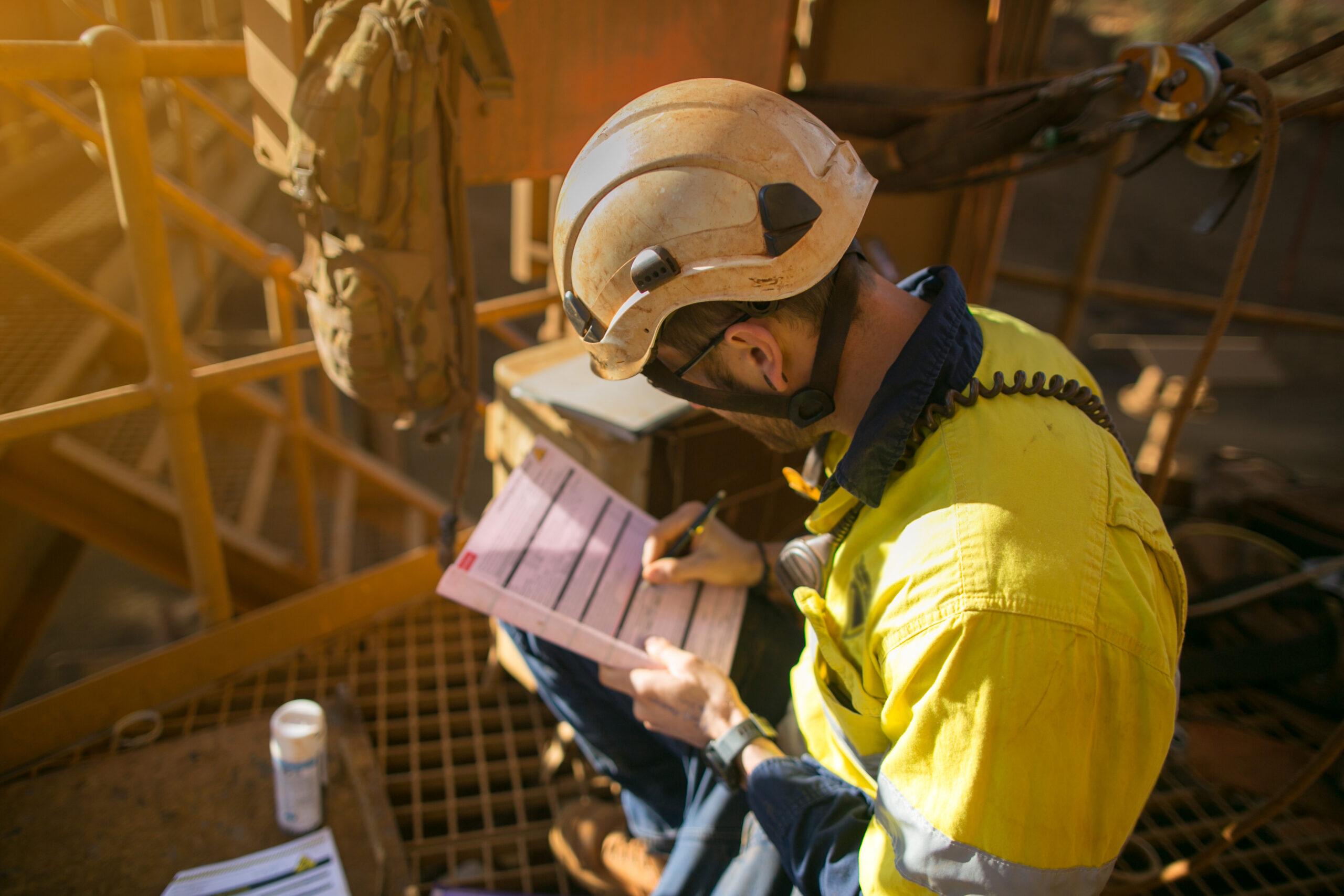
- Conducting a risk assessment – Identifying the specific risks of this operation and considering whether controls are sufficient or need improvement.
- Preparing a safe system of work – Developing safe working procedures for the operation.
- Training – Ensuring the people working in a confined space and on standby are suitably competent and risk aware.
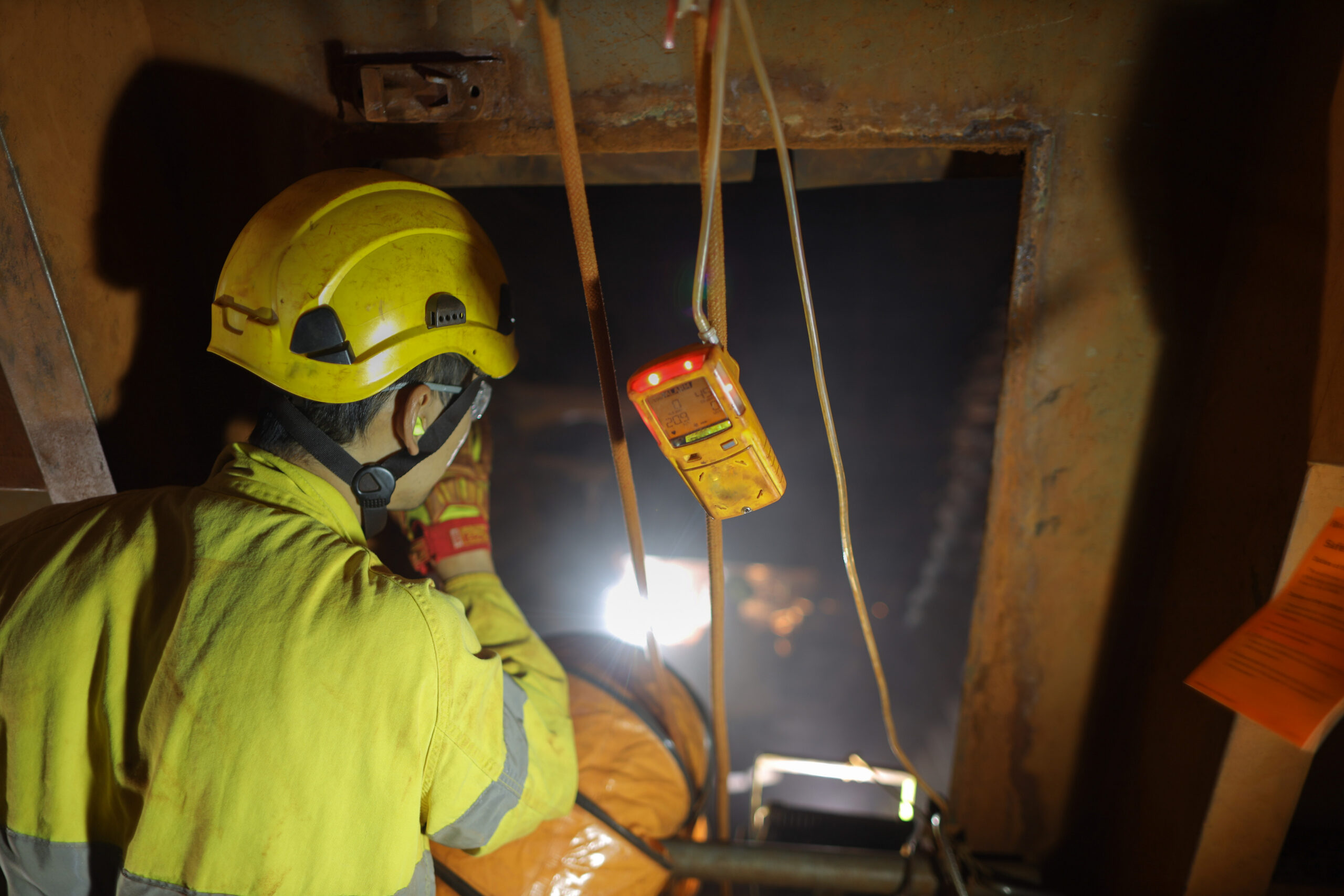
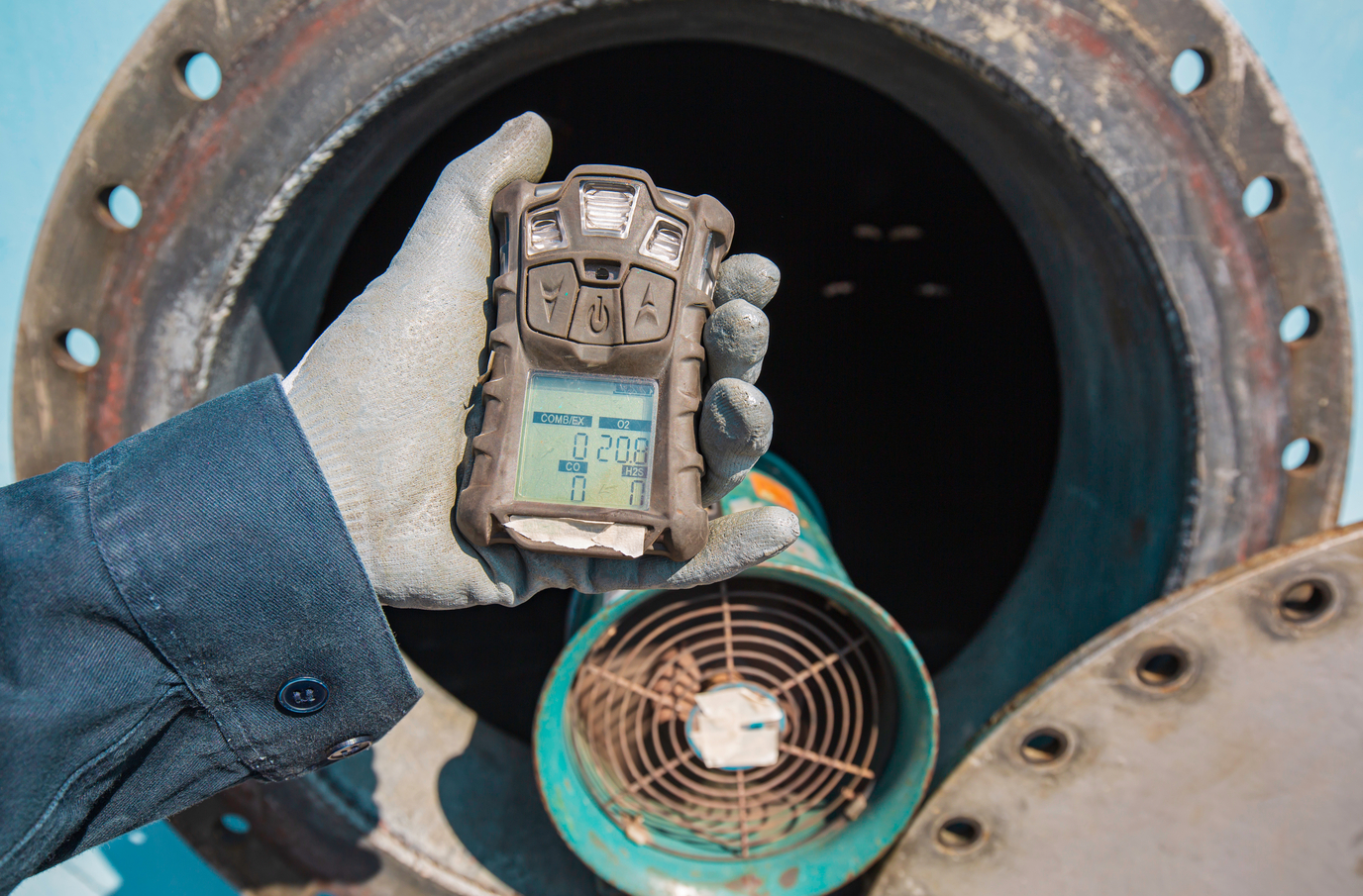
- Atmospheric testing – Testing and monitoring air quality and ensuring there is suitable ventilation at all times.
- Safe isolation – Ensuring services into the confined space are shut off, such as gas, liquid or power.
- Communication – Ensuring there are suitable processes for communication between workers, standby personnel and rescue teams.
- Emergency plans – Ensuring there are adequate and properly prepared emergency plans in place.
These compliance processes should be documented and regularly reviewed to ensure they are suitable and sufficient, even if there are no safety incidents reported. This allows for the possibility of new risks occurring, changes to the operation, new personnel and new legislative standards. If these compliance standards are not met or maintained, there are three types of possible consequence; human consequence, legal consequence and operational consequence.
The human consequences of confined space non-compliance
Clearly this is the most damaging consequence of confined space non-compliance. An employer has a legal duty to protect their employees and to provide a safe and comfortable work environment. So non-compliance when managing confined space operations could result in various physical impacts:
- Fire and explosion – This can be caused by flammable liquids, vapours and gases or sources of ignition.
- Loss of consciousness – Extreme temperatures, sudden oxygen depletion or toxic gases can all lead to loss of consciousness or asphyxiation.
- Drowning – The sudden ingress or presence of liquids in deep volumes combined with other risks can lead to drowning.
- Trapping or engulfment – Enclosed spaces combined with injury, material movement or other risks can lead to a person becoming trapped or engulfed in materials.
- Fatality or serious injury – Any of these issues listed above can result in a serious injury or in extreme cases a fatality.
The human consequence of confined space non-compliance effectively represents risk, and whether the organisation has done enough to identify, prepare for and manage that risk.
The legal consequences of confined space non-compliance
In the event of a serious safety incident resulting from confined space non-compliance, an organisation faces a range of possible legal consequences. This could be a fine or prosecution enforced by the HSE, but an organisation and individuals within it could also face criminal liabilities in the event of a serious injury or fatality. It is also possible for an organisation to receive civil liability claims in the event of a serious incident.
The severity of a legal consequence will depend on various factors, such as:
- The level of culpability and the degree of negligence demonstrated by the organisation.
- The level of harm caused compared to the level of risk involved.
- Mitigating factors and remedial actions.
- The financial means of the organisation.
- The compliance and legal history of the organisation.
Legal consequences are therefore very much dealt with on a case-by-case basis, but are largely commensurate with the severity of the incident and what the organisation has done to prepare for and prevent it.
The organisational consequences of confined space non-compliance
Finally, the business can be impacted operationally by confined space non-compliance in various different ways. These include:
- Enforcement notices – The HSE has the power to issue immediate prohibition notices in extreme situations, to prevent certain operations continuing. A lesser enforcement is an improvement notice, which requires improvements to be made by a specific deadline.
- Costs – The organisation can be hit financially by fines, claims, penalty clauses and repairs.
- Operational delays – Enforcement notices, investigations and repairs can cause costly delays to operations, missed deadlines and productivity losses.
- Insurance – Premiums can rise due to non-compliance and the impact of resulting incidents.
Professional confined space training from Civil Safety
At Civil Safety we recognise the importance of confined space compliance and have the skills and experience to support organisations in implementing suitable controls in many different working environments. Our systems and processes have helped clients with confined space compliance in different industry sectors, so if you need confined space training and rescue courses for your personnel, we have a range of suitable courses available. And if you need confined space rescue teams deployed to your operations, we can react to the level of risk involved with suitable rescue resources.
Don’t fail in your basic duties and let Civil Safety support you in avoiding the costly human, legal and business consequences of confined space non-compliance.