What Your Risk Assessment Should Tell You About Training Requirements
October 30, 2026
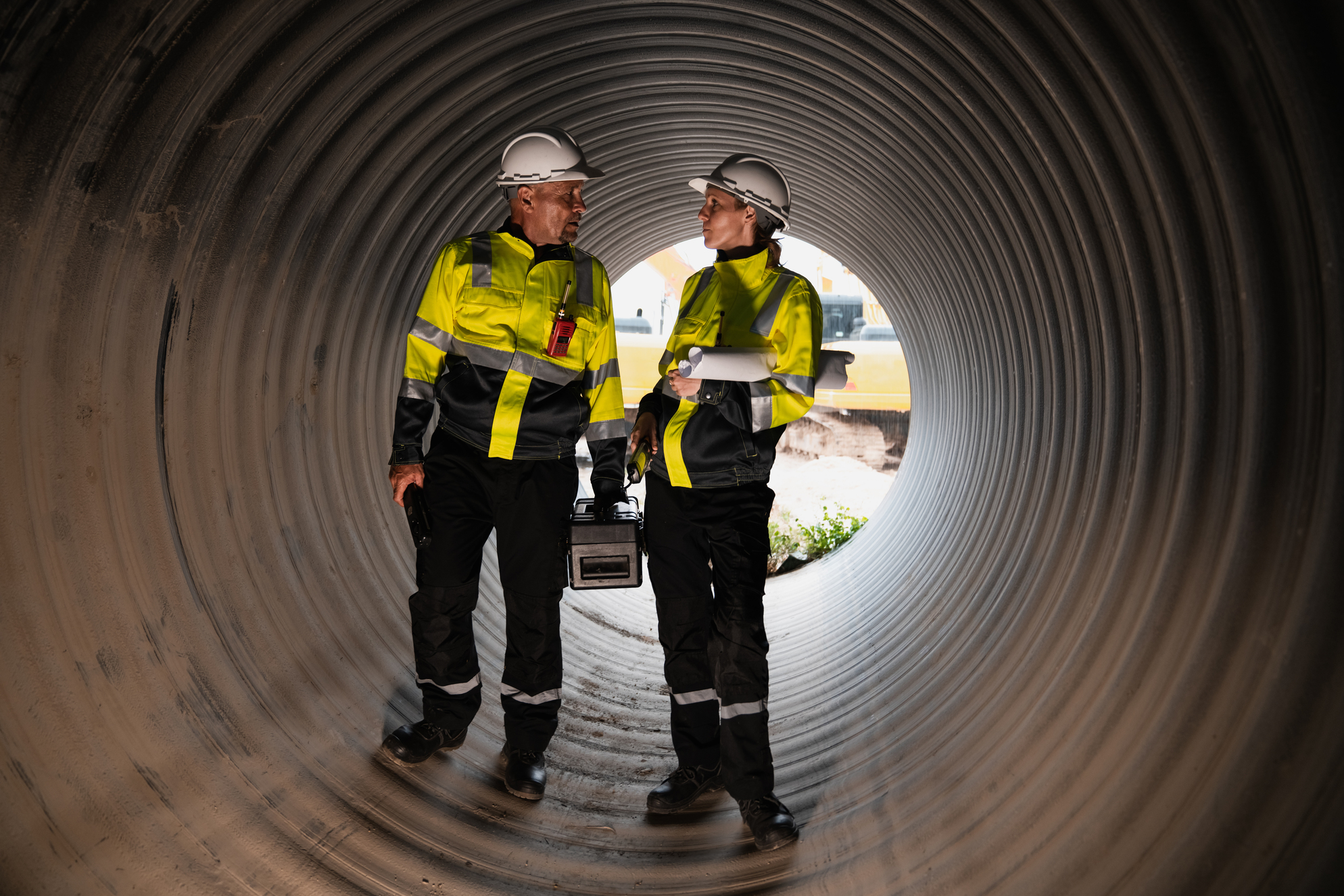
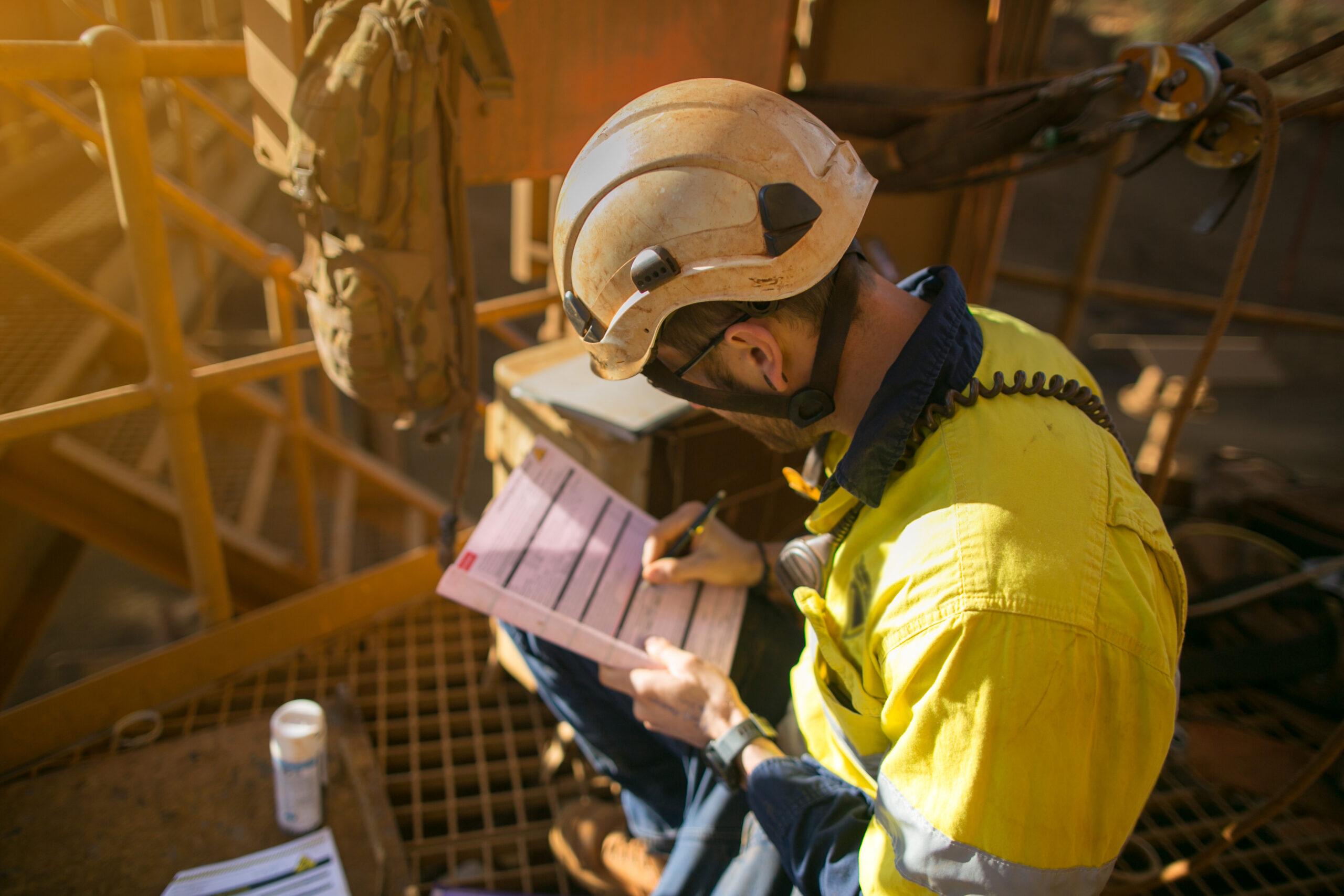
It is essential to put a suitable safety plan in place where it is necessary to enter a confined space to work, and this operation can’t be avoided. The starting point for producing a safe system of work for confined spaces, is preparing a confined space risk assessment.
Risk assessments have the ultimate objective of identifying hazards in an operation and ensuring that adequate control measures are in place. This ensures that you have a list of recommended actions which will result in a safe environment and operation. One of the possible outcomes of a properly executed risk assessment is identifying training needs. This is where hazards or risks have been identified along with a lack of knowledge, awareness or techniques to suitably control and manage these hazards. In a confined space this could be critical to a safe system of work, and therefore it is essential that an employer acknowledges risk assessment findings and acts upon them in a timely manner.
What is a risk assessment?
In any workplace operation, there are potential hazards which can cause harm to employees, some have more of a risk than others and hence it is necessary to assess every operation to identify what could cause a safety issue and what controls are in place to reduce this risk. So, a risk assessment is a formal process which allows you to identify whether you have sufficient precautions in place to prevent harm or injury to a person who could be affected by it. This is not necessarily just the person carrying out the operation, but could be work colleagues or people in the general area also.
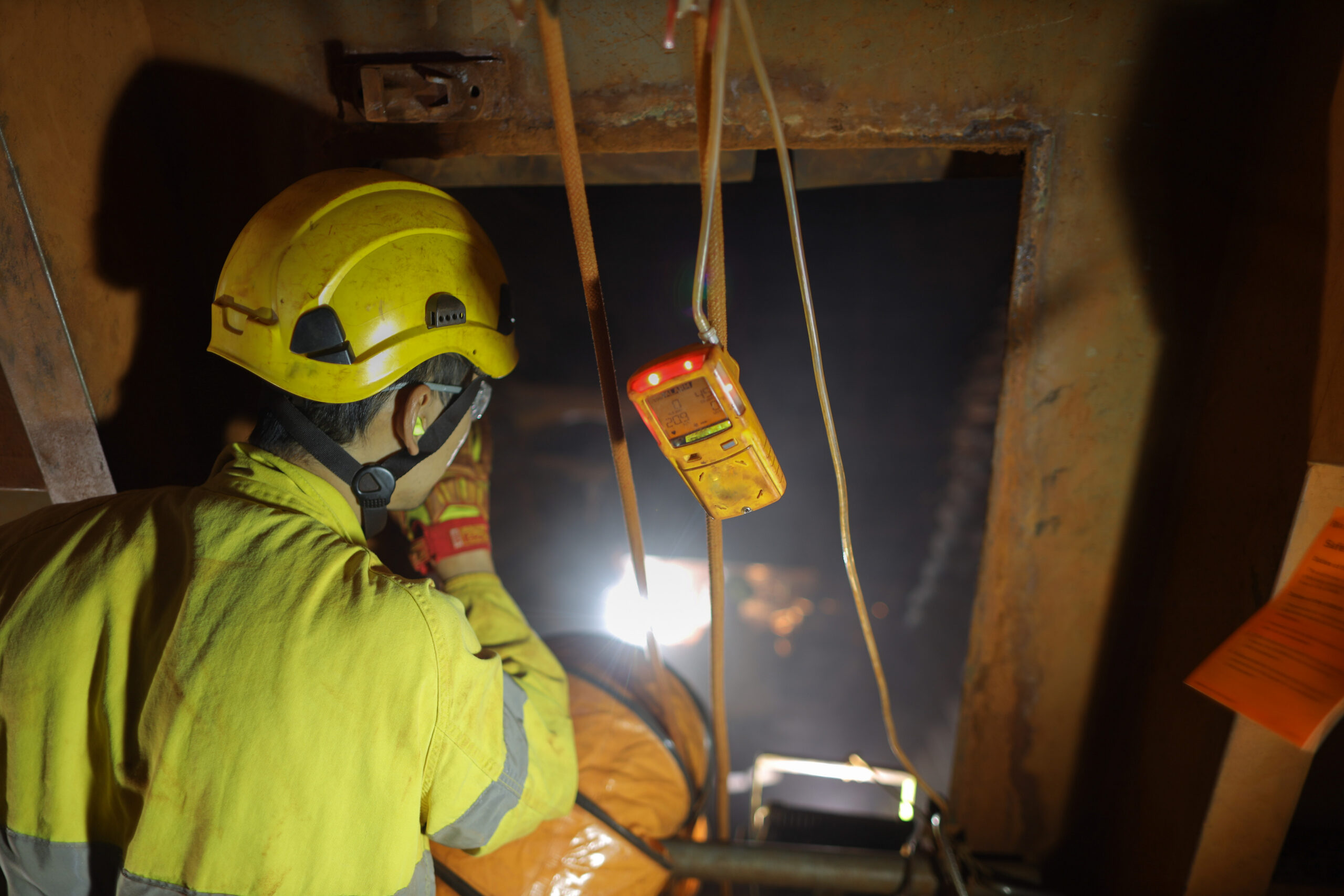
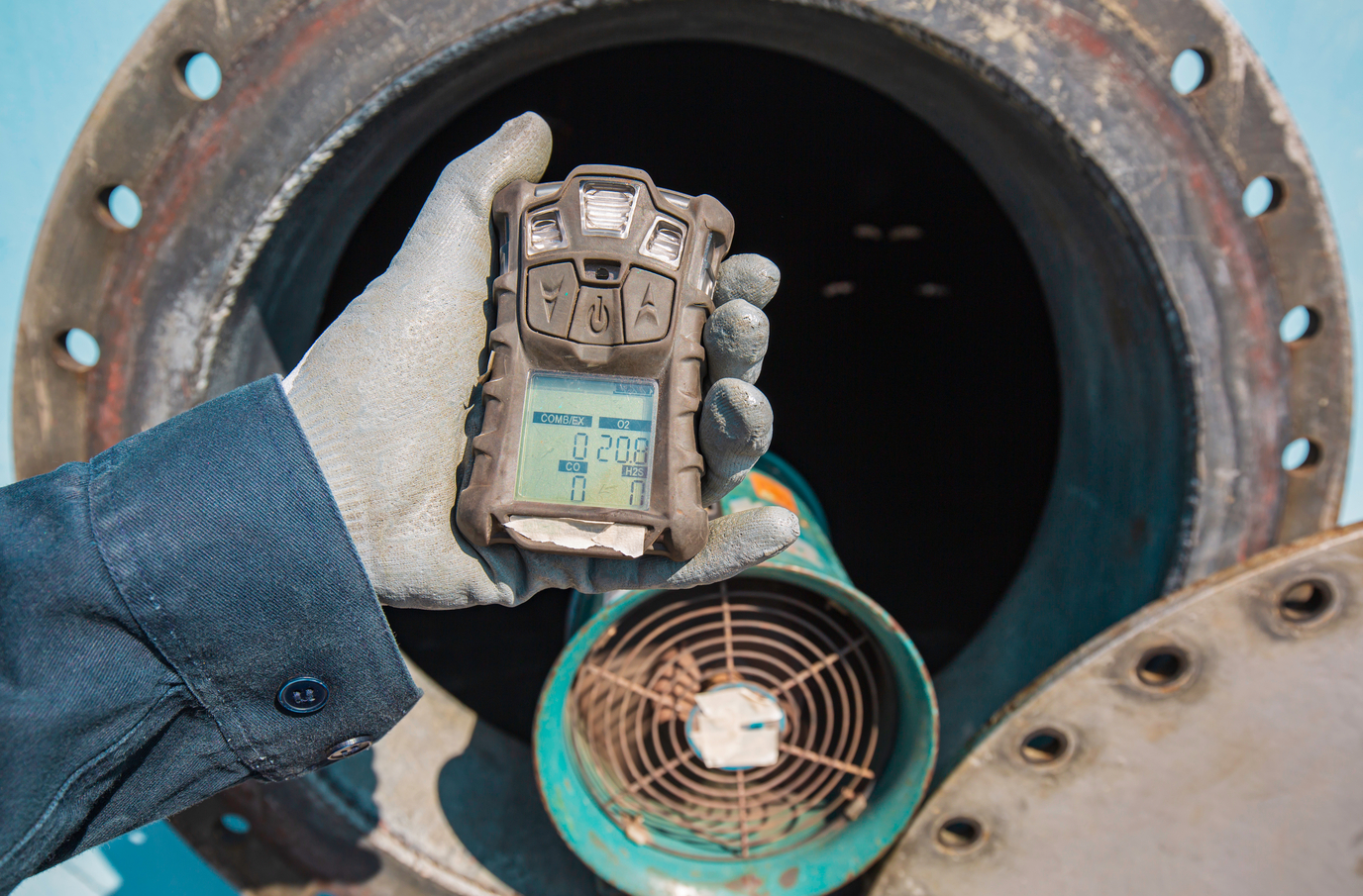
A confined space risk assessment must be carried out by a competent person in a situation where workers are required to carry out operations in a confined space, according to the Confined Space Regulations 1997. This is because confined spaces present a series of potential risks which are higher than many other workplace operations. A confined space risk assessment follows the same format as any other risk assessment, but is focussed on the specific risk presented by the confined space, which could include extreme temperatures, a lack of oxygen, toxic gases, drowning, falling debris or materials or even a risk of explosion. It is essential that all hazards and risks present in a confined space have been identified and that suitable controls are in place, before a person enters a confined space, and one of the controls that may be required as a result of a confined space risk assessment, is a training requirement.
Why is training important when working in a confined space
Because of the high risks involved in confined space working, it is essential that employees have the skills and knowledge necessary to carry out tasks safely. This will change according to the type of confined space, but could include:
- Identifying the risks present
- Safety procedures for the specific operation
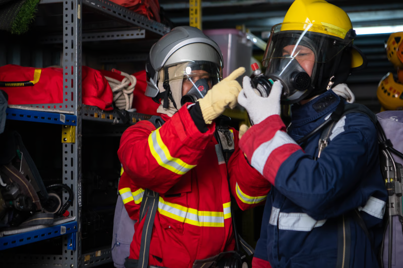
- How to use safety equipment
- Emergency preparedness
- Communication protocols
It is essential that an employee can demonstrate these competences before they are authorised to work in a confined space.
How a risk assessment identifies training needs
Your risk assessment should categorise the risk level of each confined space operation, accepting that some have a higher or lower risk level than others. This low, medium and high-risk rating should correspond with a level of confined space training that is required for each operation, and hence it should be relatively straightforward to identify a training need and match it to a corresponding training standard for that risk level. This can allow for training shortfalls to be quickly addressed for individual employees. Each confined space operation also has a range of different roles, these could include a worker, standby personnel, a supervisor and rescue team members. It should be clearly defined what level and standard of training is mandatory for each role before any risks assessments are undertaken and any work started.
Risk assessments provide a skills and knowledge platform by defining what is required for a specific operation, and from there it should be possible to identify if an employee designated to perform a specific task possesses the skills and competences required. In terms of identifying training needs, therefore, risk assessments can help to highlight competence shortfalls, such as:
- Hazard identification – Is a person able to identify and respond to the hazards present and control the risks adequately?
- Safety equipment – Is the person able to use safety equipment properly and can they recognise that it is faulty or damaged?
- Safety procedures – Can a person follow important safety protocols and adopt safe techniques?
- Emergency preparedness – Does a person possess a sufficient understanding of how to respond in an emergency situation?
- Communication – Can a person adopt the correct communication techniques in different critical situations?
The competent person carrying out a confined space risk assessment should be mindful that training is a continuous process and not a stand-alone event. Further training is therefore required on a periodic basis to update and refine skills to allow for new techniques, new environments and operations, new equipment and new legislation. The frequency of this training should be reflected in the risk status of the operation or role. But the level and type of training needed, may be highlighted in the future when a confined space risk assessment is reviewed and updated. At this stage the new risk assessment should identify changes which have unlocked new training needs.
If you have identified a need for confined space training within your team, contact Civil Safey today and we can provide the suitable training courses to satisfy your needs.