The True Cost of Equipment Downtime in High-Risk Environments
September 14, 2026
Equipment downtime is a costly problem to an organisation, because, in simple terms, every minute that a piece of equipment isn’t working you can’t recover that capacity. This means that productivity is down, costs accumulate and there is no output to offset this loss. But costs aren’t just defined as physical output that is lost, costs can also be viewed in safety terms, and the risk of injury or fatality when equipment that is relied upon isn’t working.
We can put downtime into two categories, planned and unplanned. Planned downtime is what we schedule, manage and budget for. This involves inspections, preventive maintenance, servicing, calibrations and cleaning. We make allowances for this and prepare for it in order to manage the cost and reduce the impact, both in terms of output and safety. Unplanned downtime is describing breakdowns and failures that we didn’t foresee. These are more costly because we have no back-up plans or contingencies and, because we didn’t anticipate this downtime, we aren’t able to recover or reduce the costs.
Understanding the costs of equipment downtime
Equipment availability and reliability is directly linked to performance and results, but also to employee safety. This is the main reason why service and maintenance programmes exist. Planned downtime is less costly in terms of output and safety because:
- We know when it is going to happen.
- We can plan to do it when production demands are lower or when safety risks are manageable.
- We can prepare a budget to manage the costs.
- We can plan resources to minimise disruption, reduce risk and avoid emergency situations.
- We can utilise other pieces of equipment to reduce the impact.
The situation is very different with unplanned downtime. This is where we have no plan in place and cannot foresee what is about to happen. Unplanned downtime is more costly because:
- There is no notice of when it could happen, which means it can happen during optimum production times or in high-risk safety situations.
- It requires costly repairs, equipment replacement, expedited labour and emergency plans to manage the disruption and the incident.
- There is no budget in place to manage the costs.
- It directly links to lost output that can’t be recovered and injuries or fatalities which cannot be reversed.
What costs do we face due to equipment downtime?
We have looked at the impact in broad terms, but what are the actual consequences when essential equipment is unavailable? Some are immediate and obvious, while others are less visible.. In production terms, equipment and machinery is essential for output in manufacturing and other industrial scenarios, so the costs of planned or unplanned downtime can be repairs, parts and labour. This can also be lost production, unproductive labour and in the case of unplanned downtime, the costs of emergency maintenance. You may also face costs relating to waste materials that need to be scrapped, delivery contracts you can’t fulfil and an intangible cost of damaging customer relations.
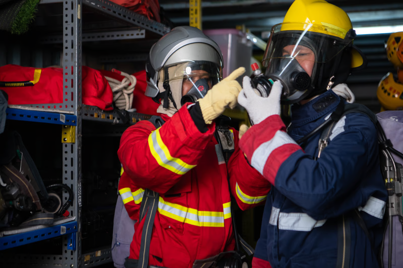
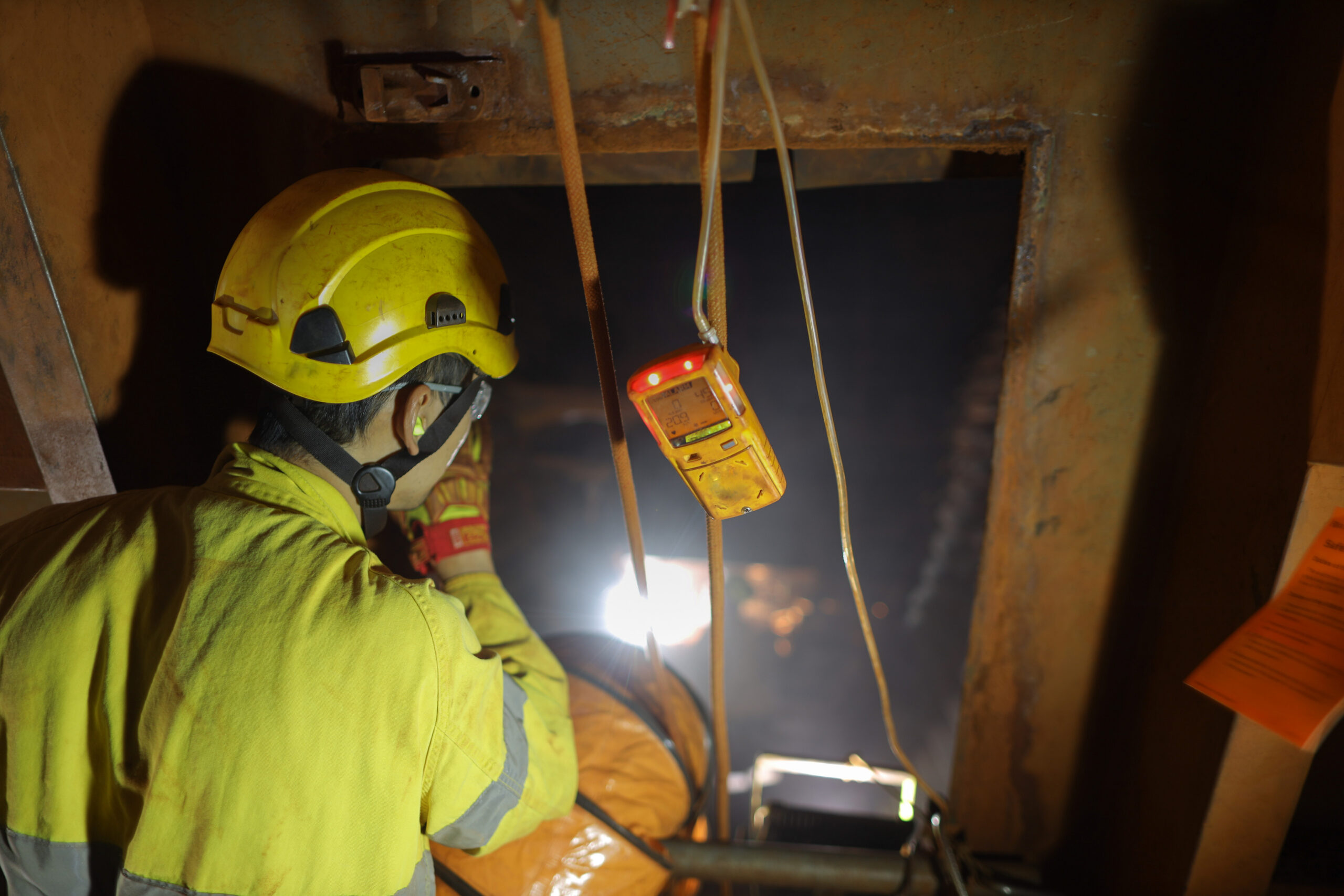
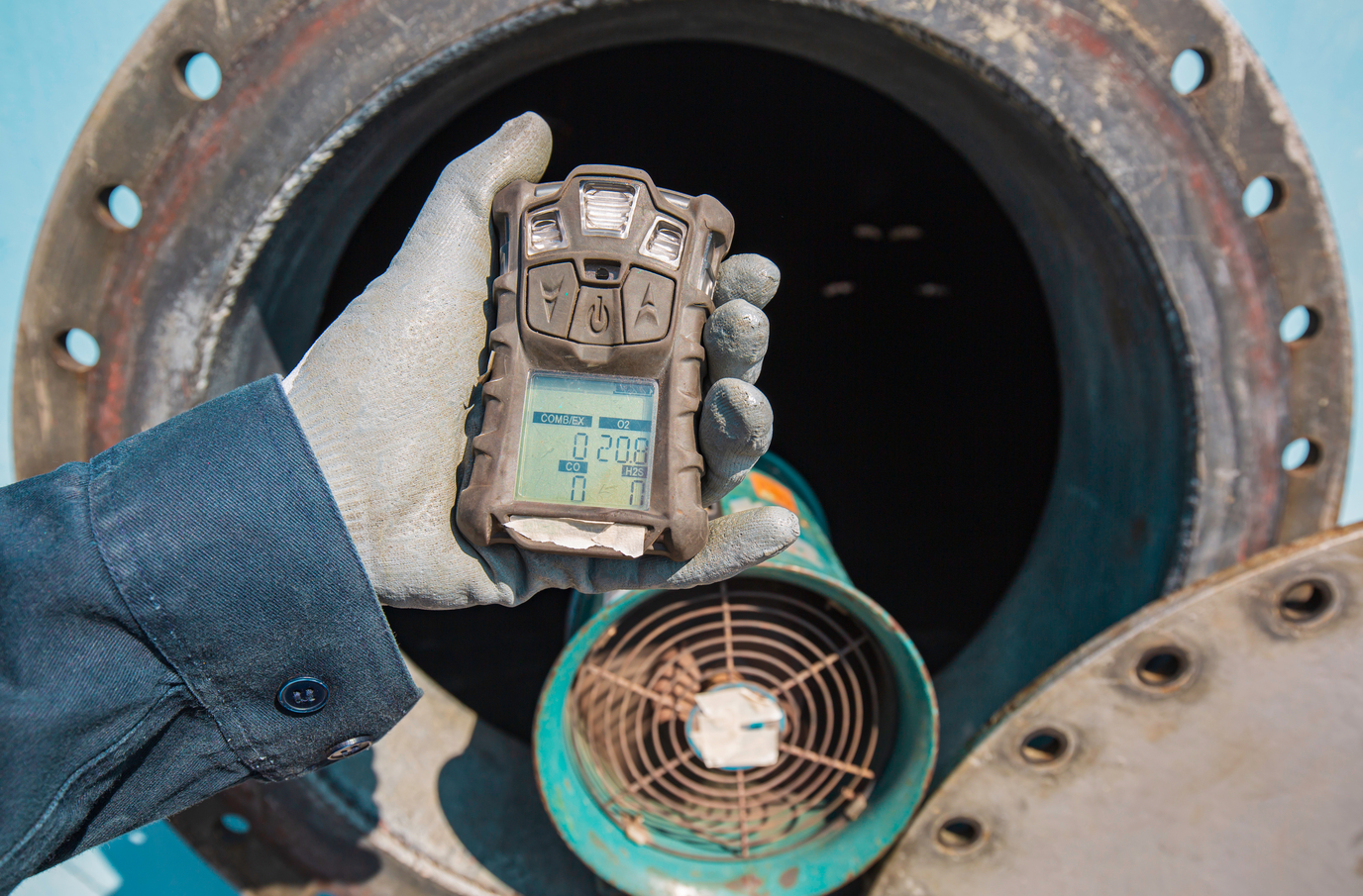
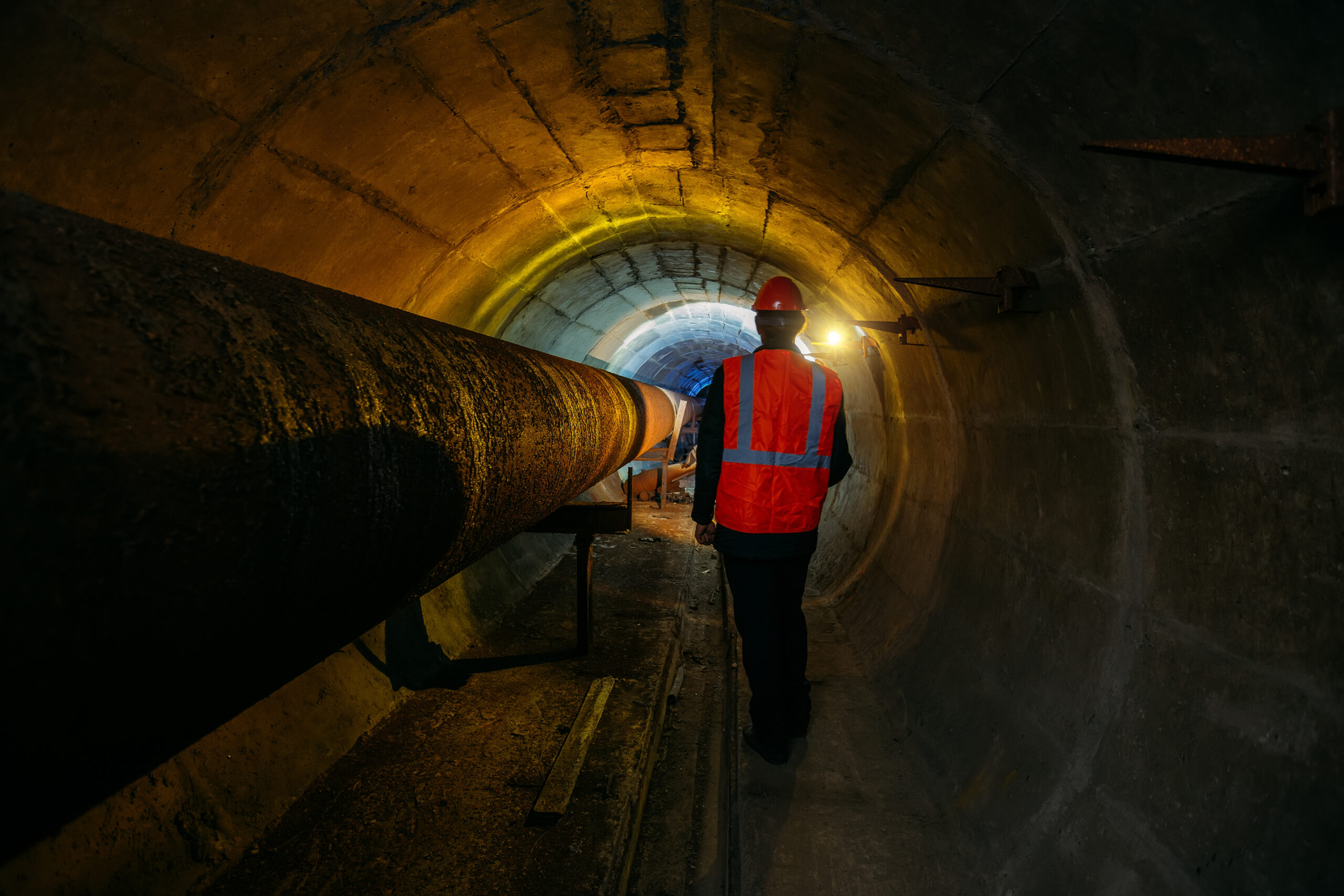
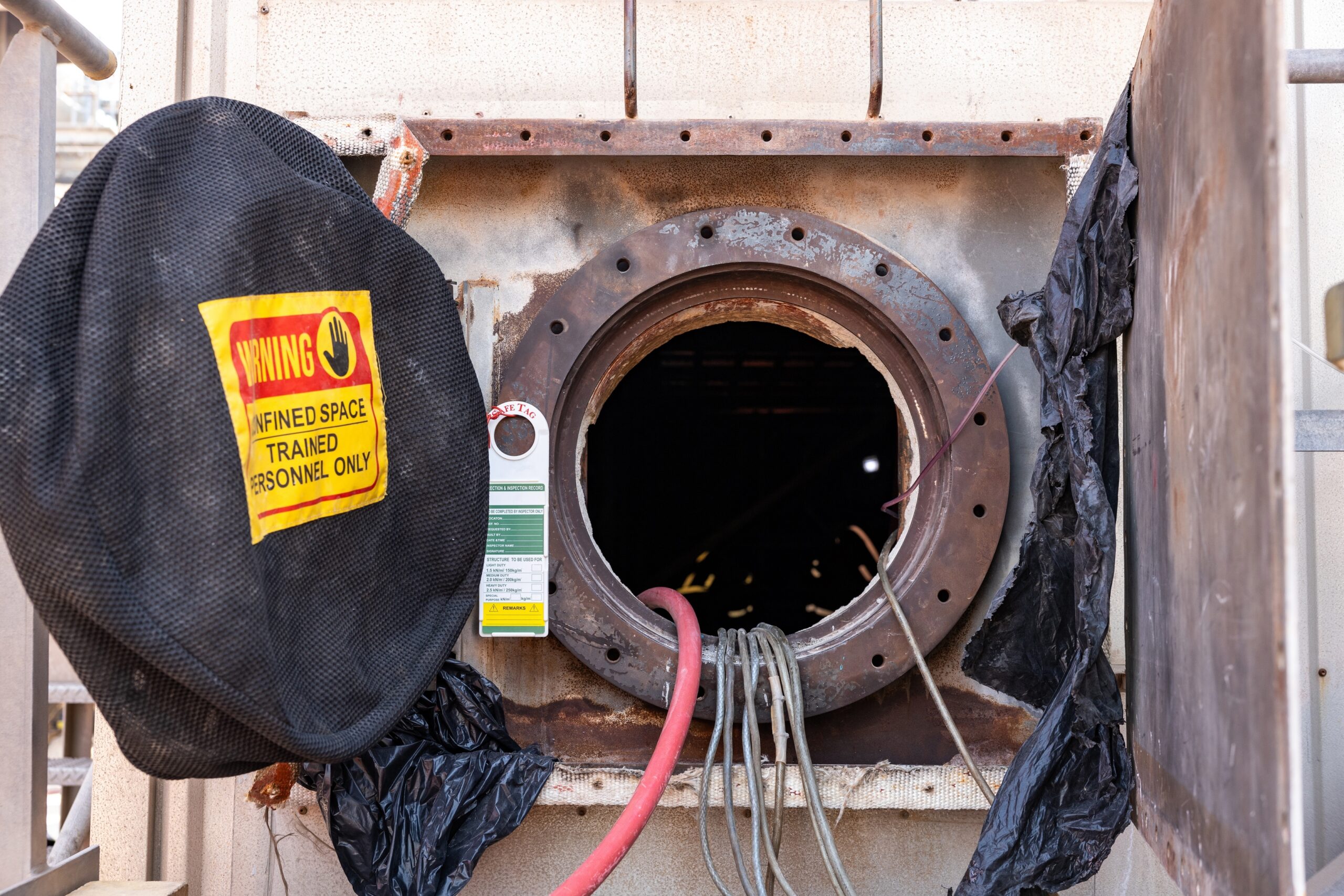
In safety terms, however, we are talking about equipment such as breathing apparatus, tripods, fall arrest systems, retrieval devices, winches, stretchers, harnesses, lanyards and ropes. The cost of downtime here is measured very differently. We may still face financial costs such as repairs and certain tasks not being able to be carried out safely, but in high-risk environments the costs of unplanned downtime in particular can be catastrophic. In situations such as working at height, in a confined space or in a potentially toxic or explosive environment, safety equipment has the role of protecting the wearer from serious injury and potential fatality. Planned downtime in this situation can be managed to reduce the safety risk, but unplanned downtime has consequences which could cost somebody their life.
Safety equipment downtime in high-risk environments can therefore present immediate physical danger if there are no contingency plans in place to manage this. Costs in this scenario include:
- Increased and immediate safety hazards – Unplanned downtime of safety equipment can expose employees to toxic gases, chemicals, drowning or falling risks, structural collapse and being engulfed by materials.
- Extended downtime – In a high-risk environment specialist safety equipment can be hard to source, repair and replace. This could lead to extended and more costly disruption if processes or operations can’t be restarted because the necessary safety controls aren’t in place.
- Regulatory penalties – High-risk environments are tightly regulated and any safety breaches resulting in serious incidents will carry severe penalties which could be financial and even custodial.
How to reduce the costs of unplanned equipment downtime
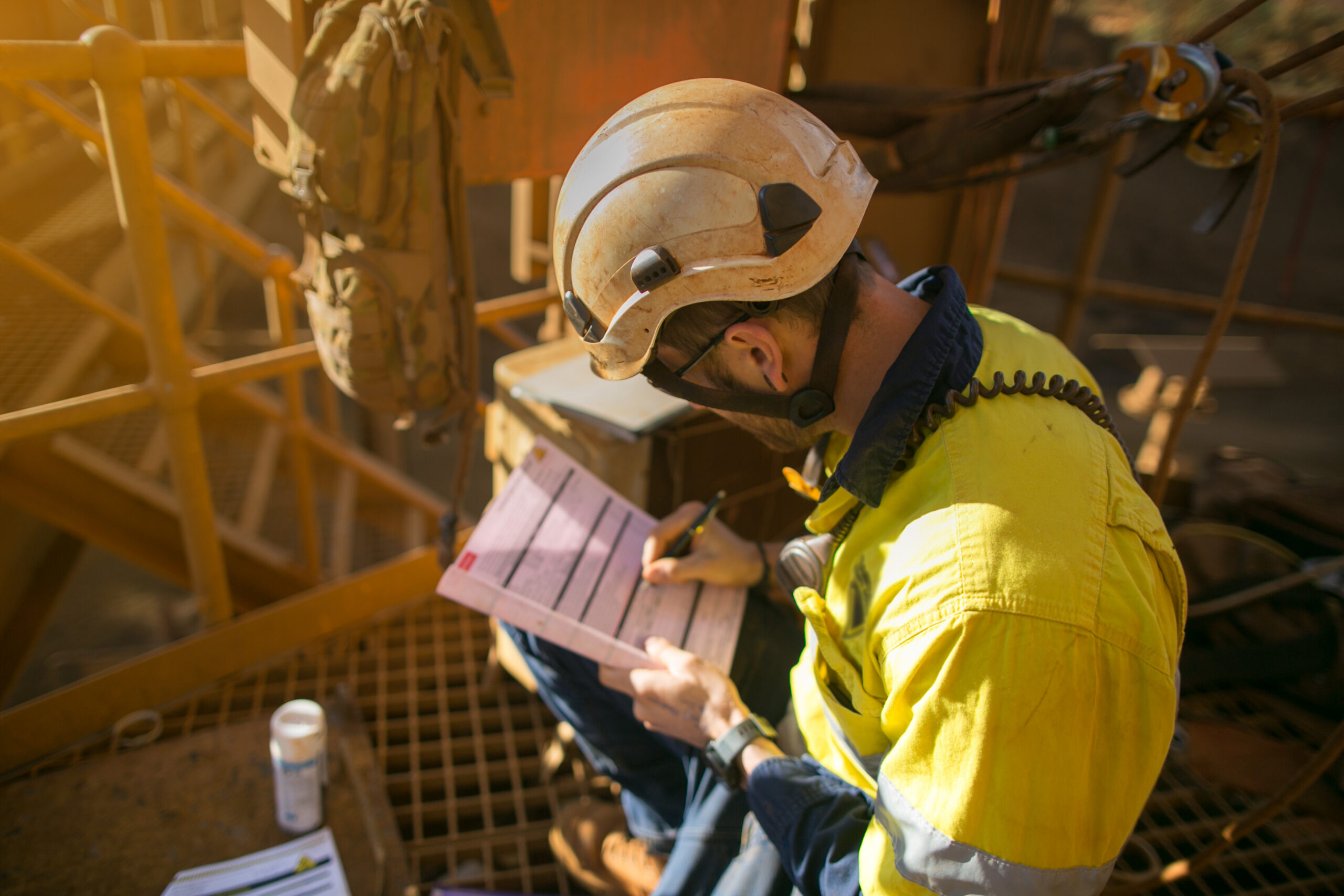
There are various preventive measures which can be implemented to prevent unplanned equipment downtime, or to reduce its impact. These include predictive modelling, root cause analysis and a better spare parts programme, but by far the easiest solution is to practice planned, preventive maintenance. This turns unplanned downtime into planned downtime, and effectively means you have all your equipment serviced and maintained on a planned schedule, which allows you to manage downtime and put plans in place to minimise the costly disruption, while also maintaining equipment to reduce the chances of breakdown or failure.
In terms of safety equipment, regular service and maintenance means your equipment is always in optimum condition and is always available. This means it is reliable and fit-for-purpose in terms of protecting employees and suitably addressing the risks presented by the work environment. Of course this saves the financial costs of unexpected equipment failure, but also ensures the organisation is fully compliant and is fulfilling its duty to protect its employees and provide suitable work equipment. So if you need to discuss a programme of service and maintenance for your safety equipment, contact our team at Civil Safety today.