Understanding the Limits of Online Confined Space Training
November 25, 2026
One of the basic requirements for the safety management of confined space operations is the provision of training. It is essential that personnel who are nominated to enter a confined space, or who are positioned on standby or part of an emergency rescue team, are suitably competent to do so. Confined spaces are unique environments which present a range of risks that are not common in other environments, and therefore this requires specialist training standards. As a result, confined space training courses have to be detailed, role specific and tailored to the actual environment and risk levels being encountered.
In today’s digital age, and to make training more efficient and cost-effective, organisations often carry out training courses online, either at an employee’s home or in the workplace. In many cases this can be advantageous for the organisation, as it will be cheaper than a physical course, will require less time away from work for the employee and avoids travelling costs and other expenses. At the same time, courses are instructional, contain the required theory and information and allow the attendees to participate and demonstrate their knowledge. But in the case of confined space training, there are considerable limitations to online courses which can have serious consequences in personnel not being suitably trained and prepared.
The important limitations of online confined space training
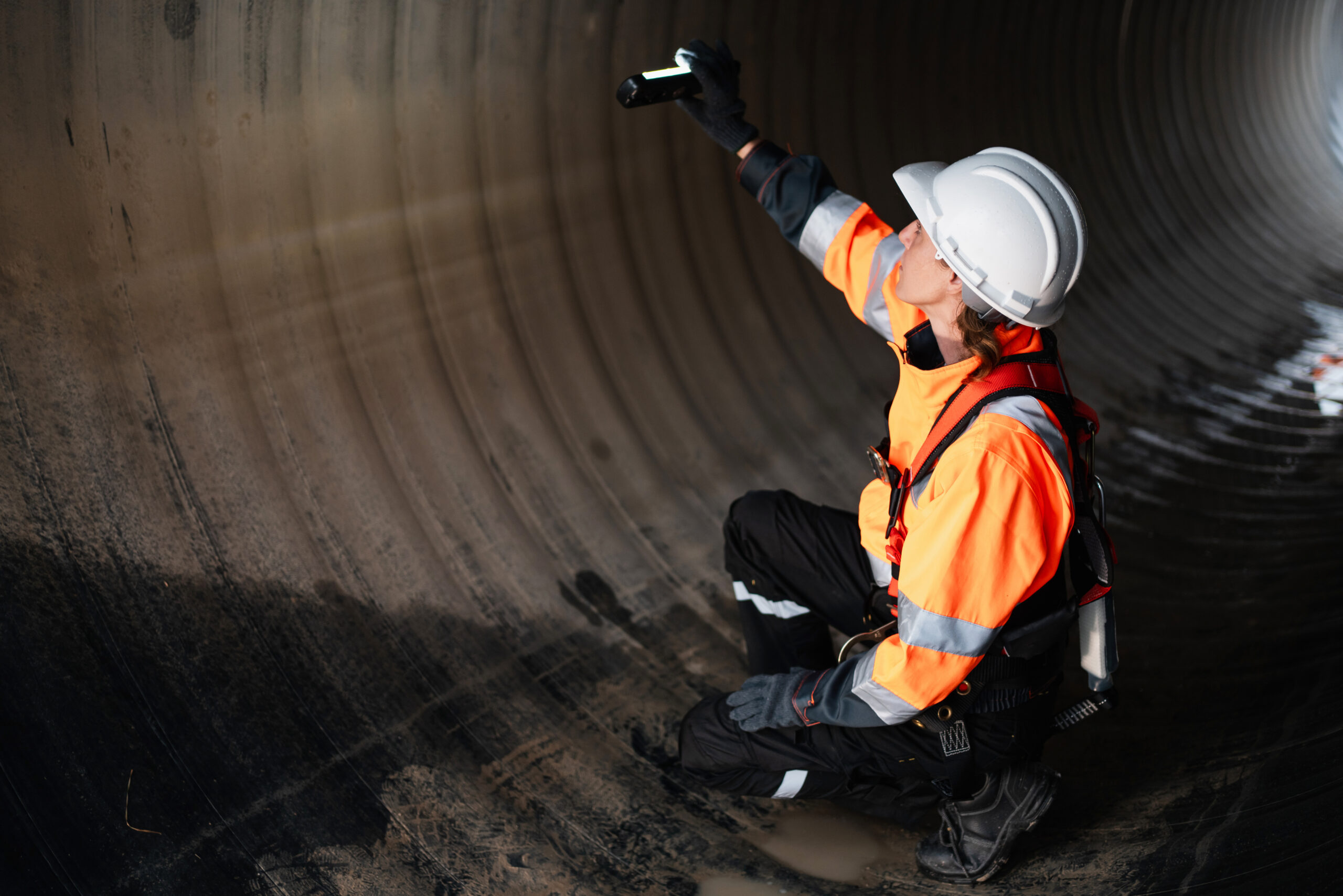
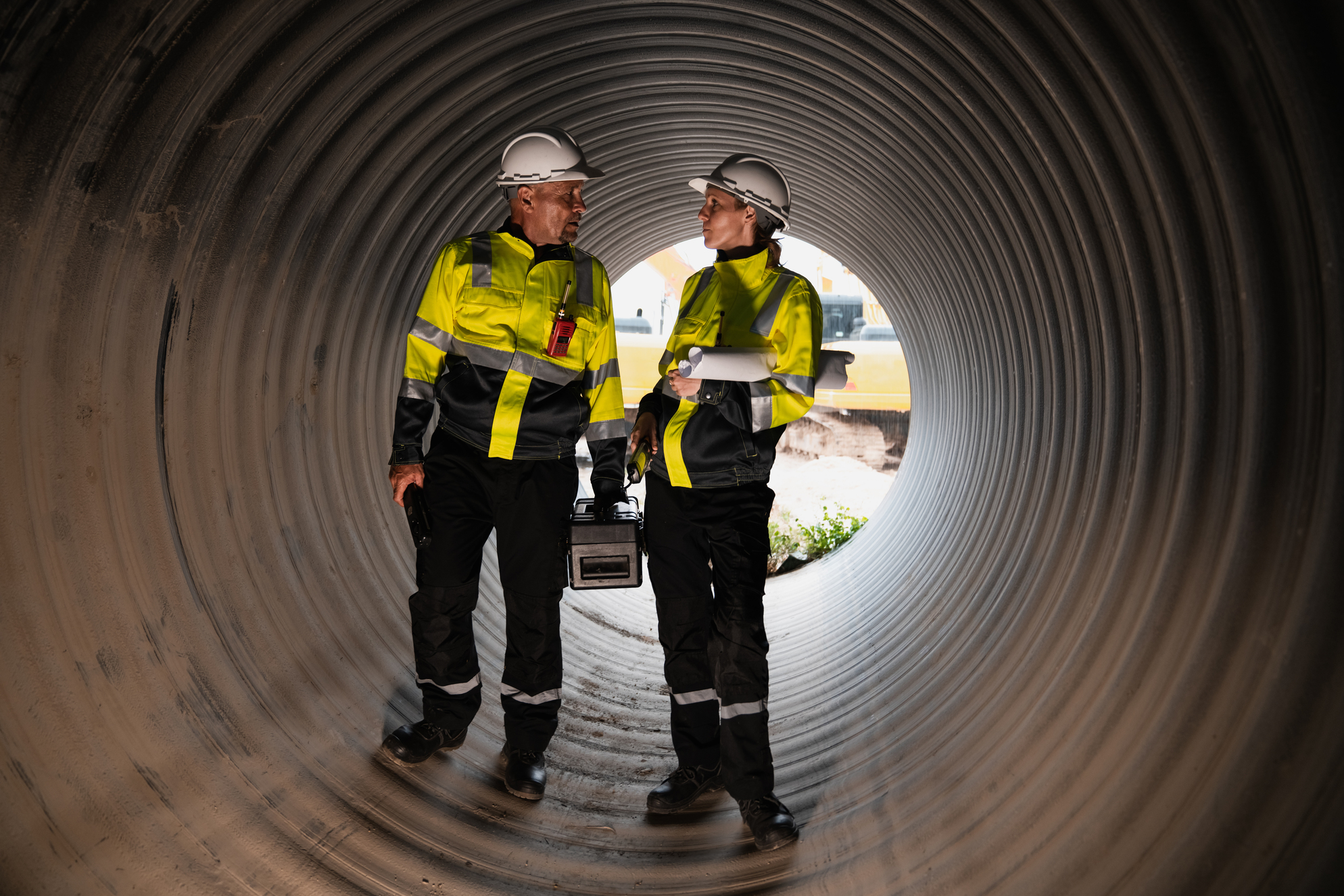
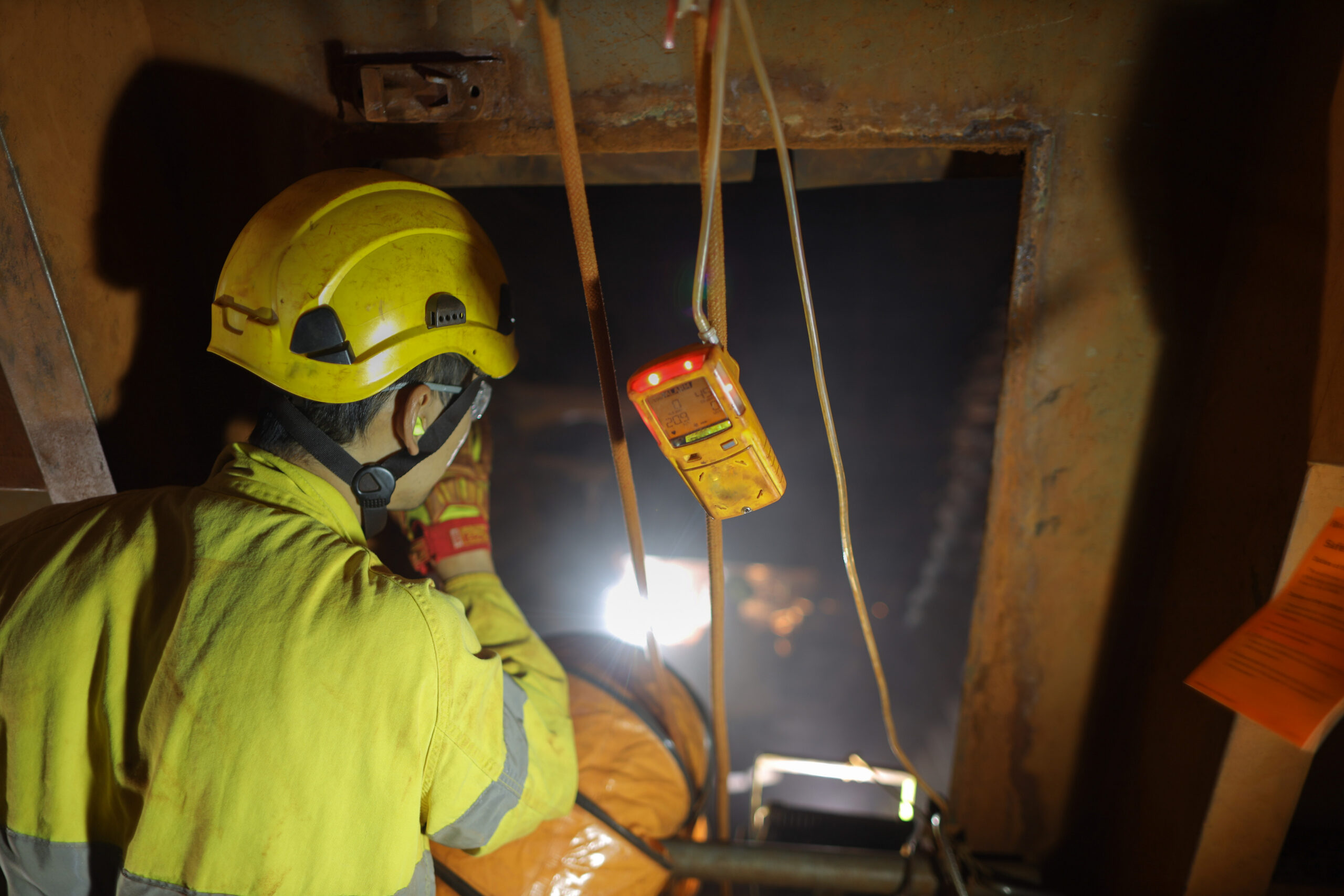
The main problem with carrying out online courses for operations such as confined space working, is that an online course is limited to theoretical awareness, and cannot suitably prepare a person for the reality of facing harsh environments such as tanks, sewers, siloes and pipework. There is no substitute for hands-on practical instruction and actually facing a real-time situation in a specific confined space environment, and no amount of digital trickery is able to properly replicate some of the conditions or hazards you are likely to face.
The main limitations of online confined space training are:
- No hazard exposure – An online course doesn’t allow the attendee to experience the conditions usually experienced in a confined space, such as physical constraints, extreme temperatures, the threat of engulfment or low visibility. Being exposed to these conditions raises the levels of hazard awareness and influences emotions such as panic and how a person thinks, which influences decision-making. None of this can be simulated online.
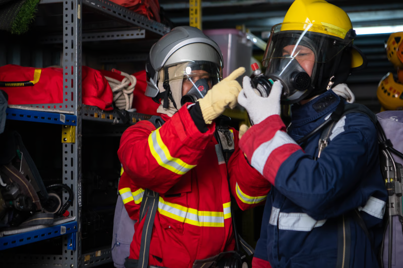
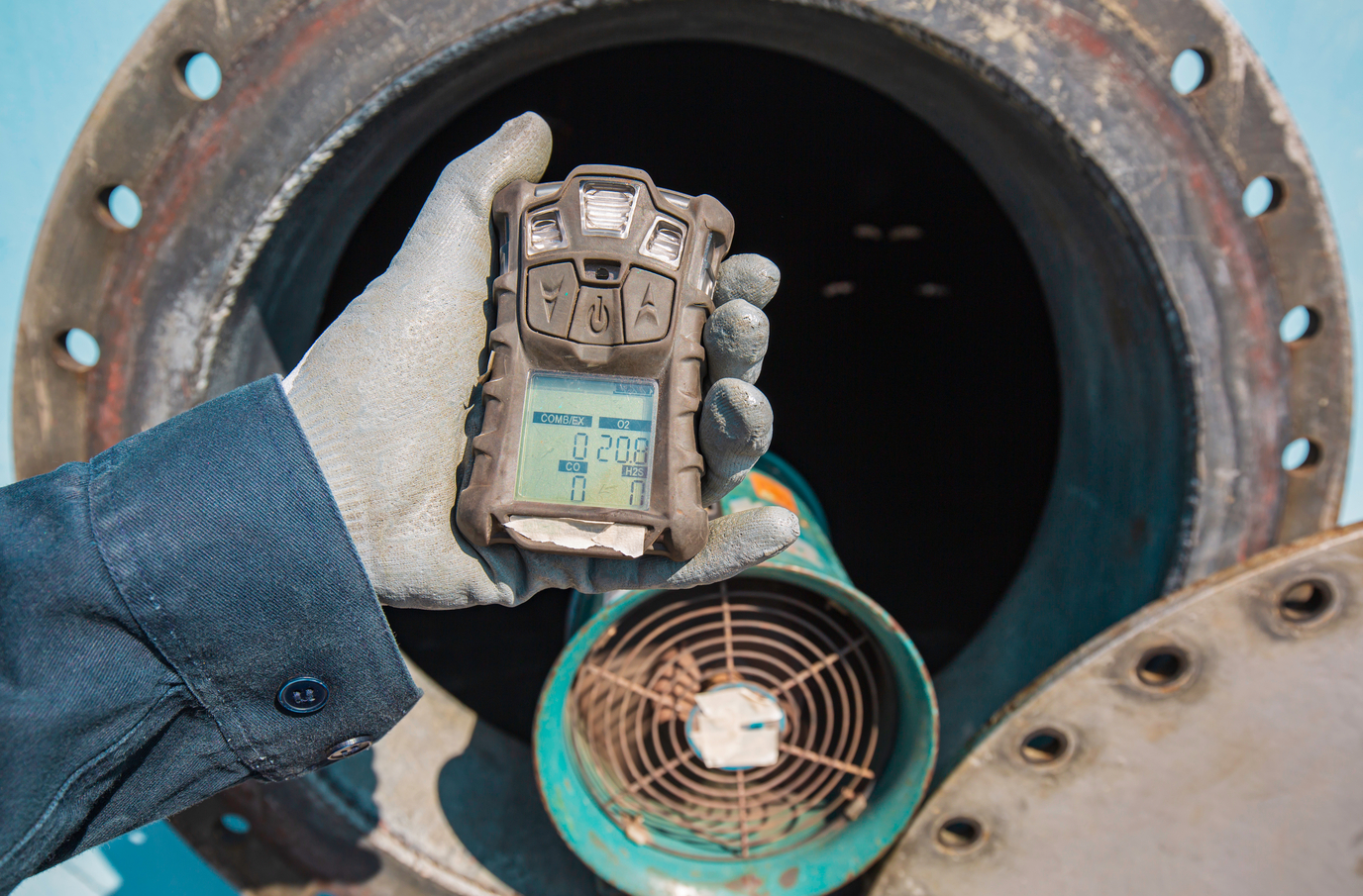
- No equipment handling – Safety equipment is an essential tool when managing confined space safety, including items such as winches, harnesses, breathing apparatus and PPE. A competent person needs to be able to identify the right equipment to use, to be able to inspect it for damage and suitability, to physically operate it and to troubleshoot any issues with it. This can’t be done properly through a laptop.
- No practical exercises – A major element of demonstrating competence is undergoing practical exercises which simulate operations you are likely to encounter. This helps you develop the physical skills, decision-making abilities and reactions needed to work safely, and also raises your awareness of potential problems. Practising these drills improves your skills and irons out small issues, and this can’t be done online.
- No real-time learning – When going through procedural protocols or emergency response drills, it is important that course instructors are able to offer immediate feedback and to critique certain actions. The attendee can learn from this straight away and put these comments into action. Again, this can’t be achieved online.
It is common for online e-courses to be classed as ‘awareness training’ only, which could be suitable for certain roles such as supervisors or managers, or anyone who is not expected to enter a confined space and simply needs to be aware of the possible risks. For people who need to be competent to enter and work in a confined space, practical, hands-on training is generally an important part of developing and demonstrating competence. While online learning can provide useful theoretical knowledge, it cannot fully replicate the experience of practical training in a realistic environment.
The benefits of on-site confined space training
At Civil Safety we offer accredited confined space training courses which can be carried out on-site or in a mobile training unit. This allows us to tailor a course to your specific needs and risks and to offer meaningful practical exercises. On-site and real-time confined space training therefore offers the following benefits:
- Site specific courses – On-site training is designed to match the everyday hazards you are likely to face, so is built around your site layout, your safety equipment and the confined space operations and environment you will encounter.
- Emergency drills – Practical emergency response training replicates what will happen in your actual environment, and hence is more meaningful and valuable.
- Real-time feedback – Instructors can offer comments and improvements immediately based on your practical exercises, which can be put into practice straight away.
- Hazard awareness – Being in your actual confined space environment enables you to visualise and experience the hazards you are likely to face, and allows the instructor to help you identify tangible risks you may not have thought of or been aware of.
- Team responsibilities – Carrying out physical and practical training as a group, rather than isolated on a laptop in a quiet room, allows for interaction and communication, and results in team members better understanding their roles and responsibilities in critical situations, such as emergency response.
In addition to these practical benefits of on-site training, the organisation also enjoys benefits such as reduced downtime and time away from work, compared to off-site training, as well as reduced travel costs. From a compliance standpoint, on-site training is also more likely to satisfy the competence levels required for your confined space operations, and therefore to meet the safety standards expected for the levels of risk present.
Practical on-site confined space training from Civil Safety
If you have confined space operations which cannot be avoided and require personnel to encounter the risks associated with confined space entry, you need to undertake on-site confined space training that suits the different roles within your team, and which matches the levels of risk present on your site. At Civil Safety we can offer a range of courses to suit your needs, so make sure your team are competent and compliant and book a course today.