What Happens If Your Confined Space Equipment Fails on Site?
July 16, 2026
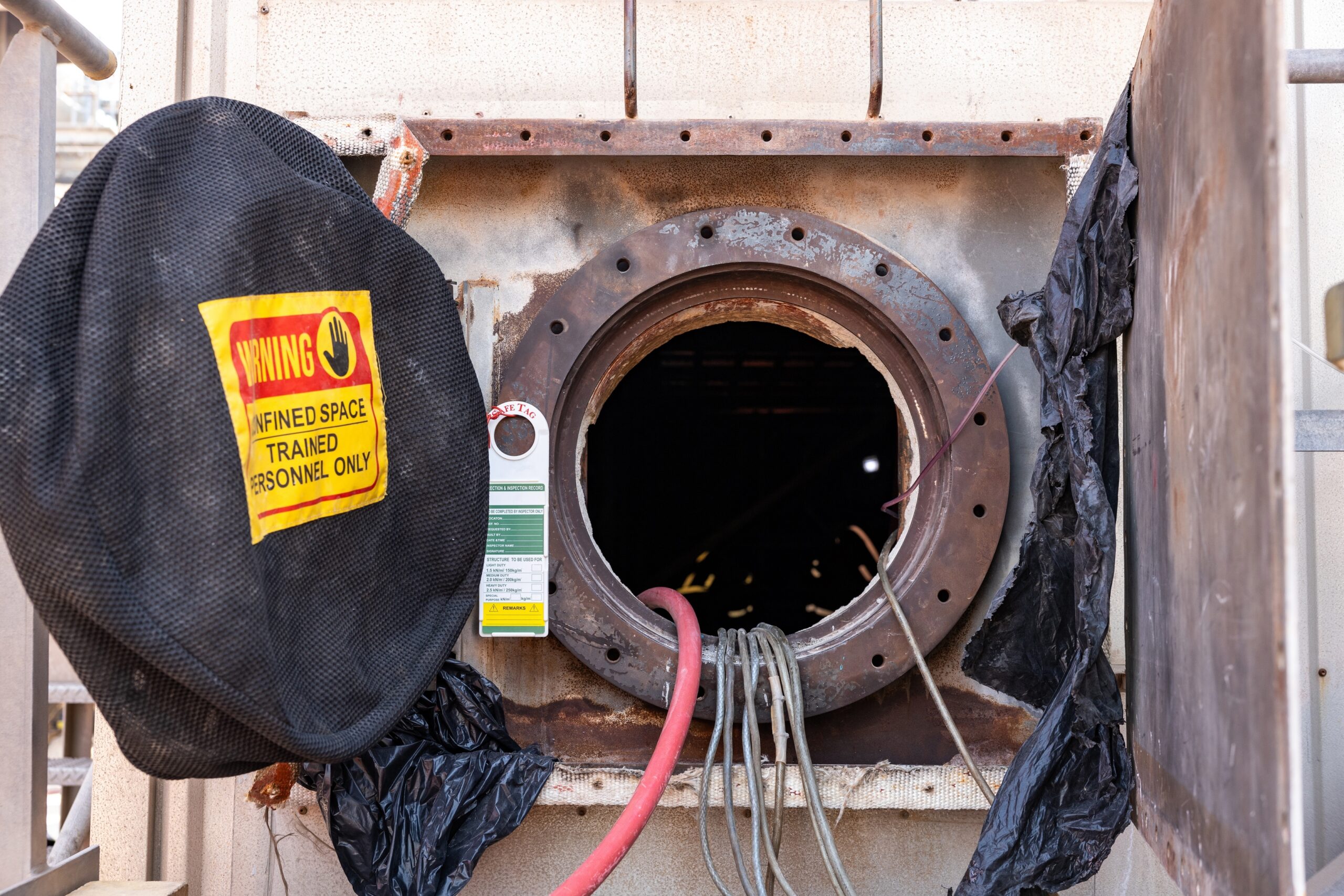
When working in a confined space, the safety equipment you use is a fundamental element of the process. Health and safety legislation dictates that this must be used and that you must have effective processes in place to ensure safe systems of work and the safe use of the confined space equipment. This is because confined spaces present unique hazards and risks, and operations must be approached with suitable caution and consideration. However, despite having procedures in place to test and maintain safety equipment, there could be occasions where it fails.
Whether this is due to the environmental conditions, an unforeseen incident, misuse or because the safety equipment wasn’t in good condition, safety equipment failure can happen, and therefore it is important that a business has well-structured plans and processes in place on how to react in these kinds of circumstances.
What is confined space safety equipment?
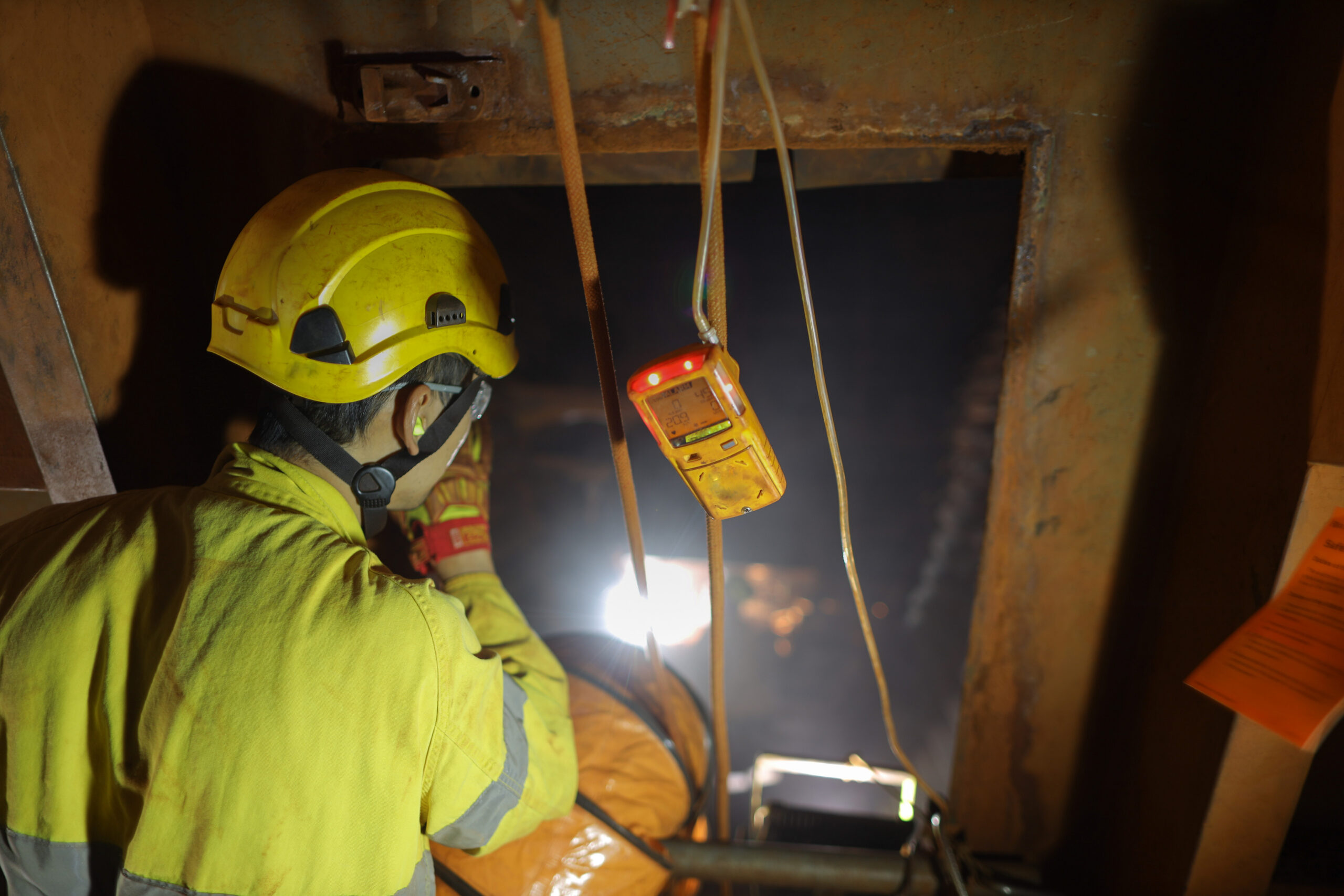
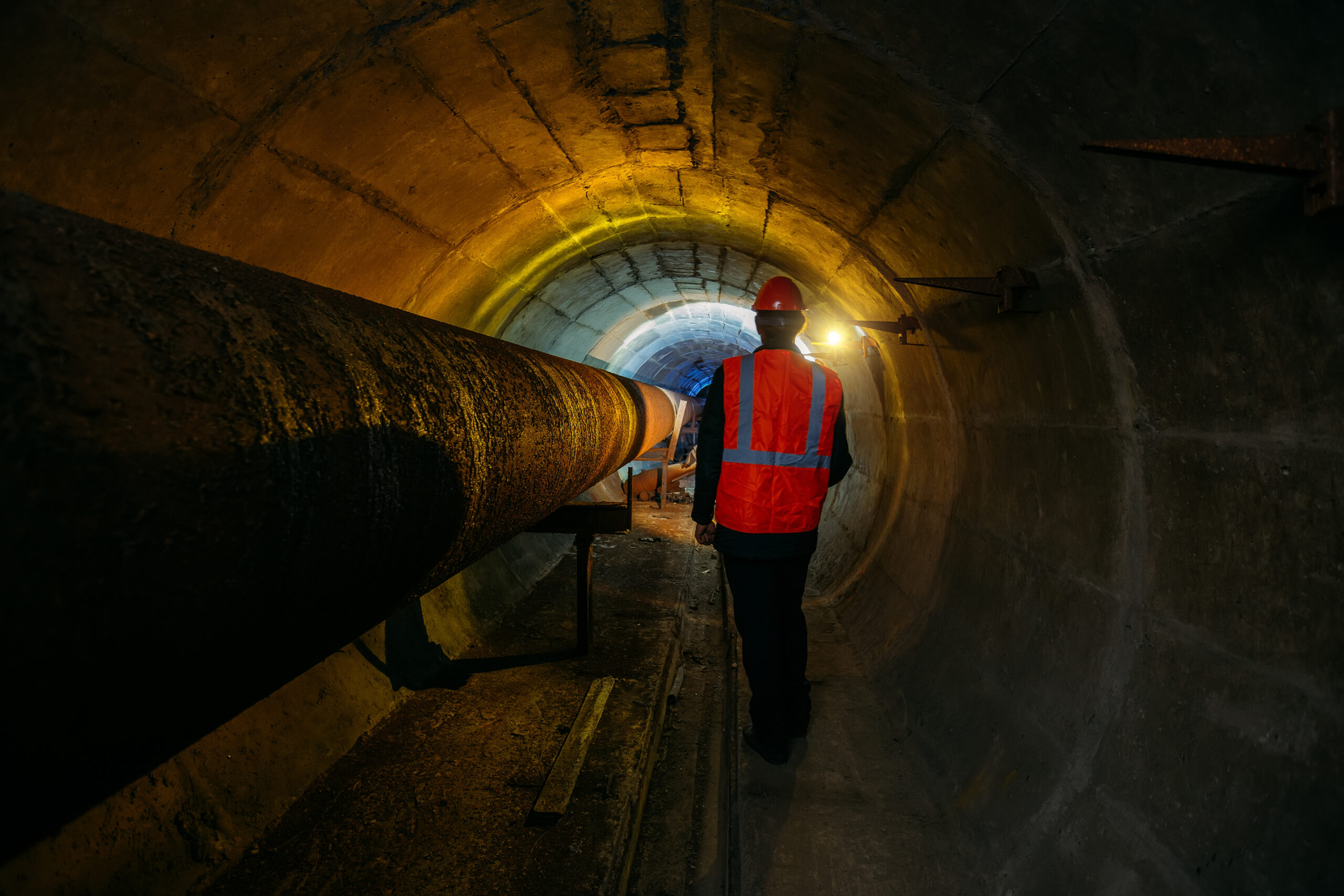
If you are working in a confined space you are presented with conditions in which people would not normally be expected to work, and which have limited areas for access and exit. This could be working in tanks and vats, silos and hoppers, sewers, pipes and drains, trenches and pits or in wells, flues and combustion chambers. The risks associated with these spaces include asphyxiation or loss of consciousness from gases, fire and explosion, hyperthermia, drowning, contact with hazardous substances, or simply becoming trapped.
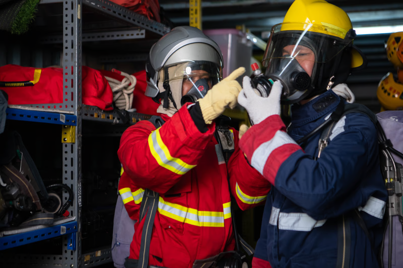
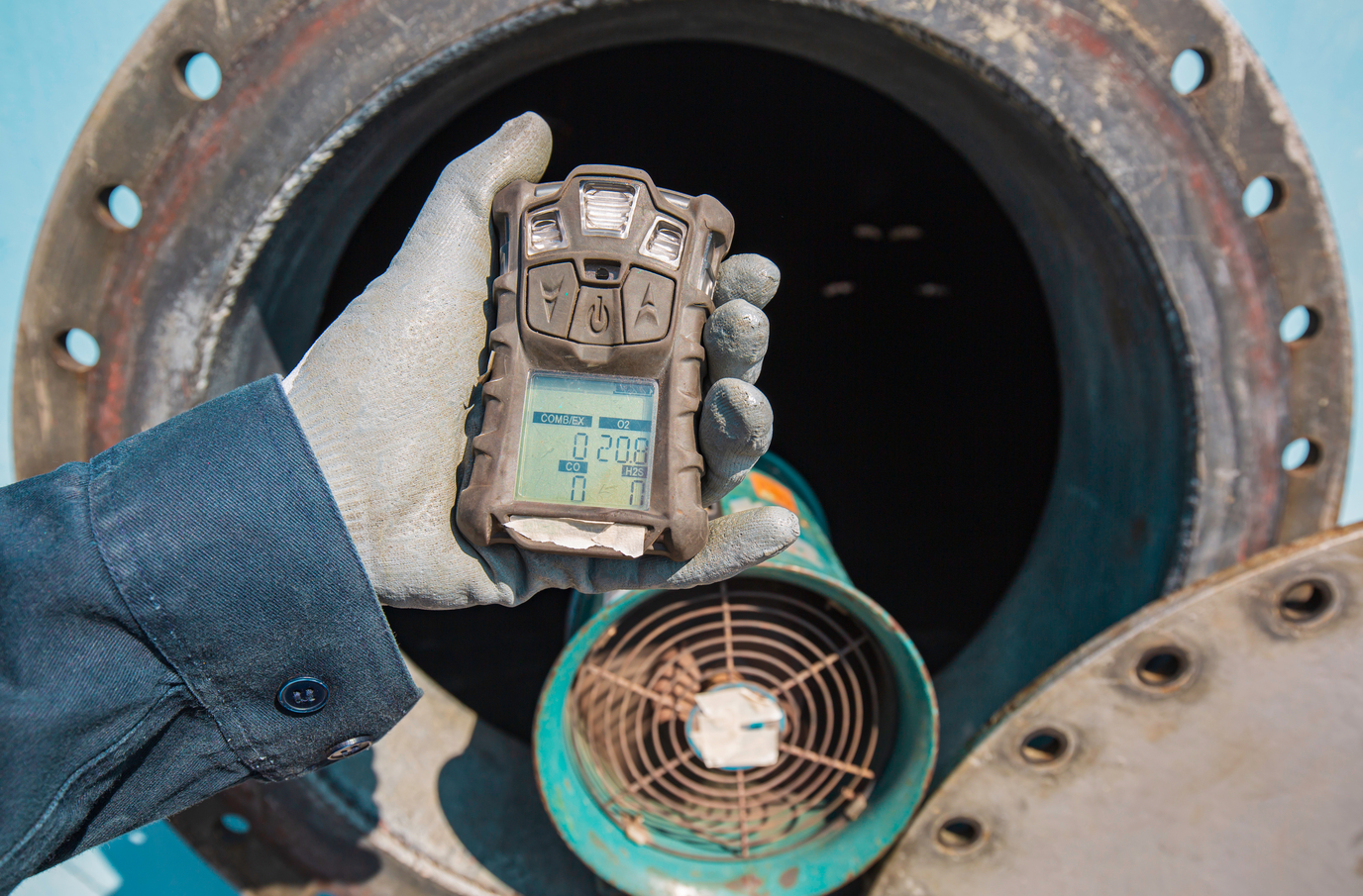
Confined space safety equipment therefore needs to protect the employee from these hazards and reduce the nature of the risk. Typical items of confined space safety equipment include breathing apparatus, gas detectors, tripods, fall arrest systems, winches, stretchers, harnesses, lanyards, ropes, portable lighting, communication devices and standard PPE. As you can see, these are very different types of equipment, all with different uses and different means of operation, storage and maintenance. If safety equipment is properly looked after it should be very reliable, but there are occasions when it might fail, and in such circumstances you need a plan for how to react.
How to react if safety equipment fails on site
- Stop work – There needs to be a zero-tolerance approach to working in a confined space without safety equipment. If your safety equipment fails you should be immediately in contravention of a permit to work system, and hence you should stop work.
- Communications – At the first possible moment you need to communicate to your team that safety equipment has failed. This might be people with you in the confined space, people waiting nearby in a safe location, or a rescue team on standby.
- Evacuation – The team leader of the confined space operations should order those inside to evacuate the confined space, whether the safety equipment failure is leading to an immediate hazard or not. Evacuation should be by the safest and quickest method, bearing in mind normal evacuation processes might be compromised by the safety equipment failing.
- Emergency plan – If one or more members of the team are incapacitated or unable to escape, a full emergency plan needs to be triggered. A rescue team should be initiated to help retrieve them, ideally without entering the confined space themselves, or without exposing themselves to a safety risk. If this can’t be safely achieved, then communications with outside emergency services may be necessary.
- Isolate the space – As soon as the emergency plan has been triggered, the confined space and the hazard within it needs to be suitably isolated. Secure the entrance to prevent anyone else entering the space until it has been fully evacuated and made safe.
- Remove the failed safety equipment – The item of safety equipment that has failed needs to be immediately removed from service. There should be a formal process covering this, but usually it involves physically identifying the equipment so it can’t be used accidentally, and then isolating it while a remedial action plan is put in place.
- Document the incident – A responsible person needs to document the incident to report what happened and to investigate what failings occurred. This should involve a root cause analysis, which could be poor training, misuse, wrong equipment or poor maintenance of equipment.
- Safe work permit – Once the piece of safety equipment has been removed and actioned for repair or replacement, the confined space can be re-opened for safe work, if the hazard has been resolved and there is suitable replacement safety equipment in place.
Confined space training and safety equipment maintenance
At Civil Safety we have extensive experience of working in confined spaces and the various hazards they present. We have developed a range of confined space training courses which address the different protocols and hazard management processes that are essential for safe working in confined spaces. We also carry out professional service and maintenance of your confined space safety equipment, to ensure it is always in suitable condition for the hazards you are going to be facing. This reduces the risk of safety equipment failure considerably. So if you are interested in confined space training or safety equipment servicing, contact our team today.