Key Confined Space Safety Considerations for the Construction Industry
Confined spaces are common in the construction sector and they require very specific preparation and management. The safety risks presented by confined spaces means there are mandatory measures you have to take and rigorous safety protocols that you have to follow.
What is a confined space?
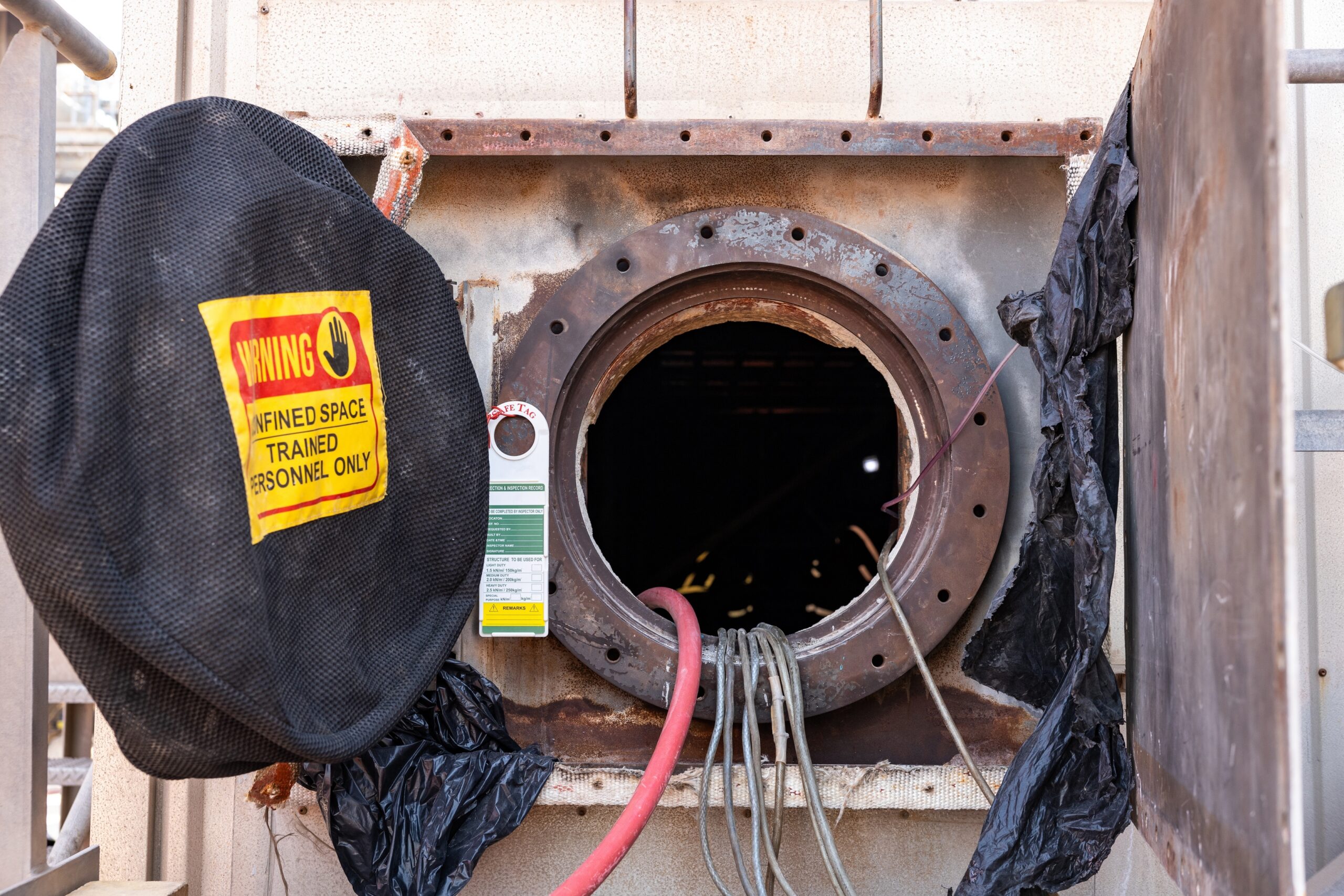
A confined space is an area that is enclosed, or partially enclosed, and which is not designed for continuous occupancy. Such locations usually have very limited points of entry and exit, and therefore can lead to people becoming trapped or isolated. There are a number of common safety risks in a confined space including asphyxiation, toxic fumes, fire, falls and explosion.
Common confined spaces in the construction industry
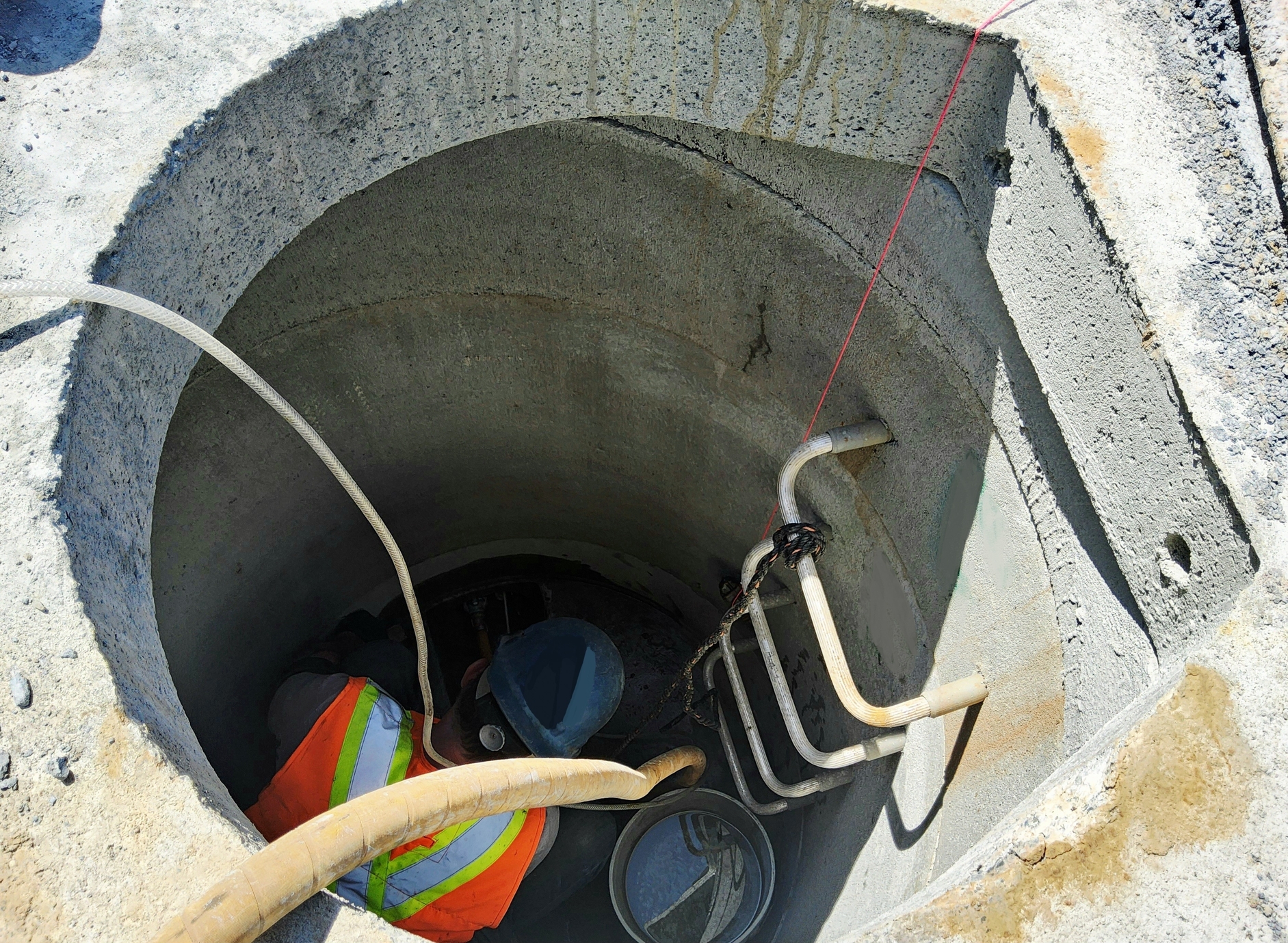
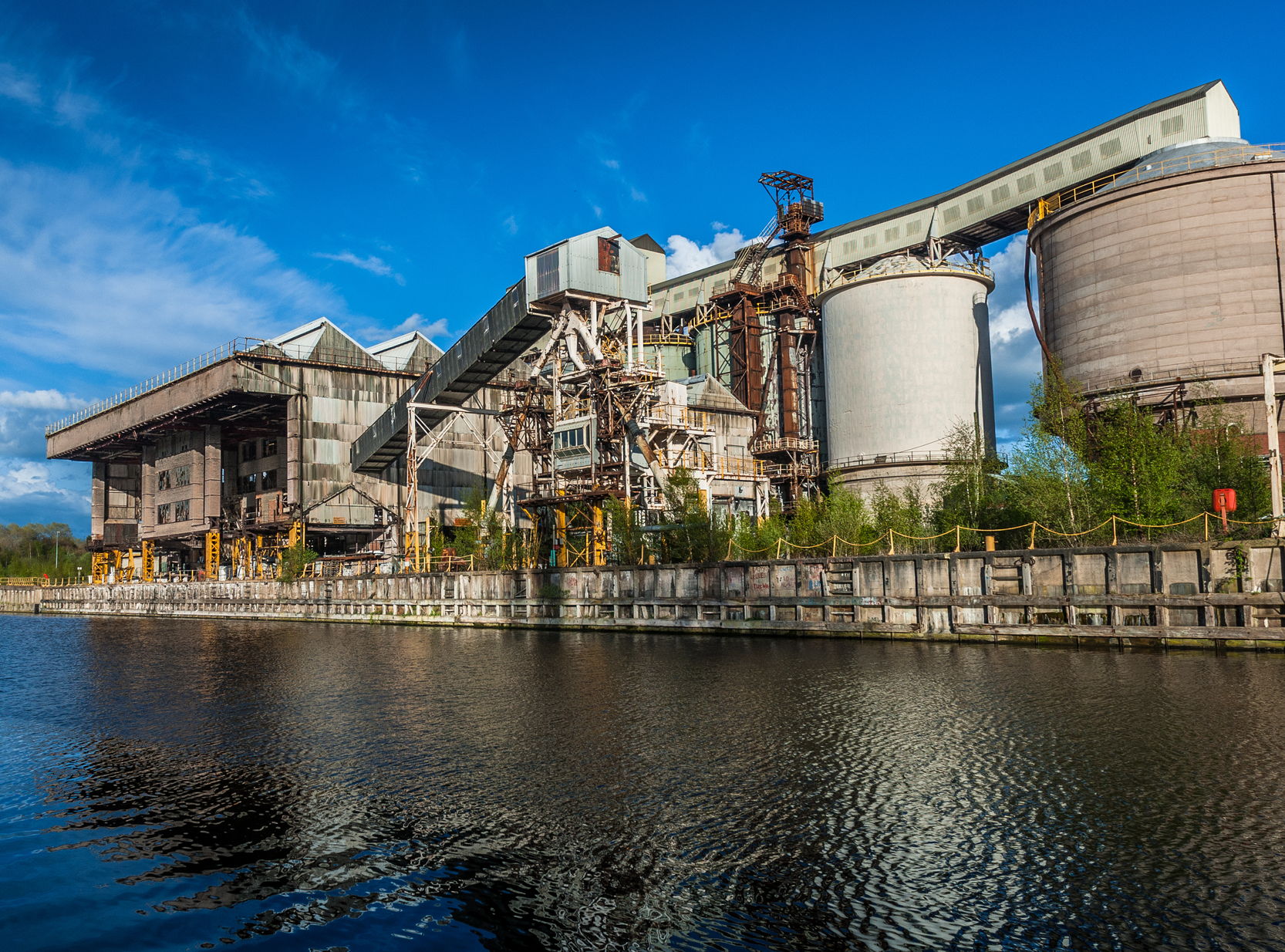
Every construction site is unique and will present very specific physical structures and challenges, but there are shared elements in construction which can be approached with a standard set of protocols. Confined spaces commonly found in construction include tunnels and shafts, trenches caused by deep and narrow excavations, manholes and underground sewers, storage tanks and vessels, pipework and pipelines and shallow crawl spaces beneath floors or in a roof space.
What are the main safety risks in confined spaces?
The safety risks most often found in a confined space include:
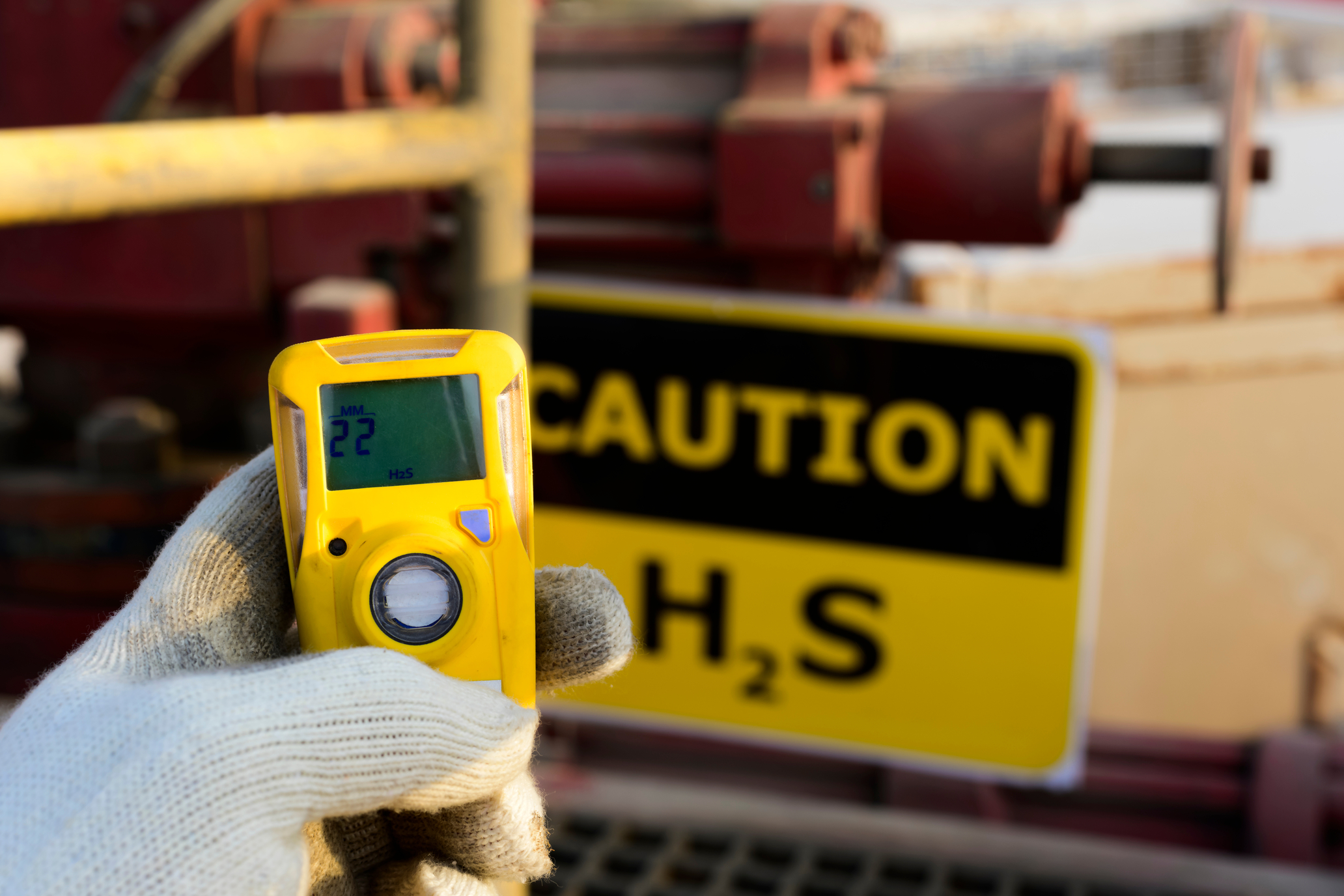
- Atmospheric conditions – Because you are in a small space there can be a deficiency in oxygen, which of course is essential for normal breathing. But there can also be a build-up of dangerous gases, which can lead to asphyxiation. Additionally, a confined space can present extreme temperatures – both hot and cold – particularly underground, while flammable vapours can also build-up, leading to a risk of fire. Finally, a confined space can present extreme noise levels, which are exaggerated by the nature of the space.
- Physical conditions – A small space puts a person at risk of being engulfed by materials used in construction, such as sand, concrete or water. It is also possible for a confined space to collapse or cave-in. While other physical hazards include the risk of electrocution, exposure to chemical materials or drowning in water.
- Managing entry and exit – A frequent cause of safety issues in a confined space is navigating entry and exit. The limited space available can hinder rescue operations and lead to a person becoming trapped. The physical hazards presented by the exit and entry points may also lead to a person injuring themselves.
How to design a safety plan for confined spaces in the construction sector
There are a number of standard safety measures you should have in place in order to suitably manage confined space operations in the construction industry. These include:
- Necessary? – An important factor in confined space safety management is considering avoidance, and whether a person physically has to enter a confined space. Sometimes work can be carried out externally to a confined space using specialist equipment or techniques, such as remote cameras. Where entry is necessary, assess whether the nature of entry can be reduced to safer levels. This is the first consideration before starting any other work.
- Risk assessment – A comprehensive risk assessment should identify the safety hazards presented by the confined space operations you are about to undertake. This should establish what control measures are in place and highlight whether they are sufficient, therefore also outlining what further actions are required.
- Training – Only fully trained people should be authorised to enter the confined space. This ensures they are aware of the specific hazards and the operating procedures and can operate the necessary equipment.
- Permit system – A documentation system should be in place to ensure only authorised people are entering the confined space and that they are aware of the specific hazards. This also records and monitors exactly who is in the space at any given time.
- Isolation – All energy sources should be shut-off and locked-off so that there can’t be an accidental release of energy or materials during the operation.
- Emergency procedures – There should be a full site-specific emergency procedure in place that is effective and regularly practiced. This should include how to contact emergency services.
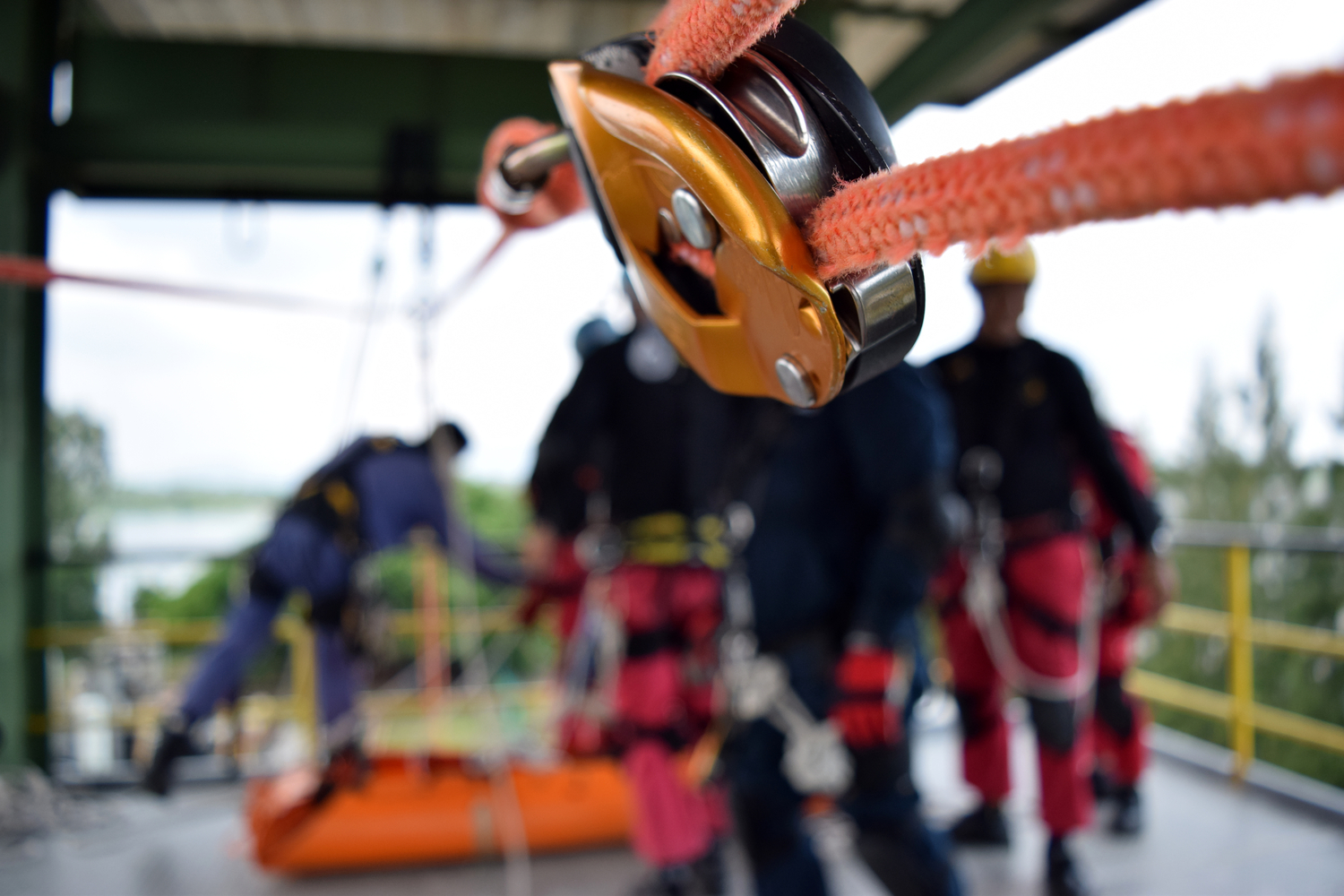
- Communications – There should be effective, reliable communications between all parties, including someone who stays remote in a safe place and who can monitor the whole operation. This is the person who would ordinarily be nominated to initiate the emergency procedure and any rescue plans.
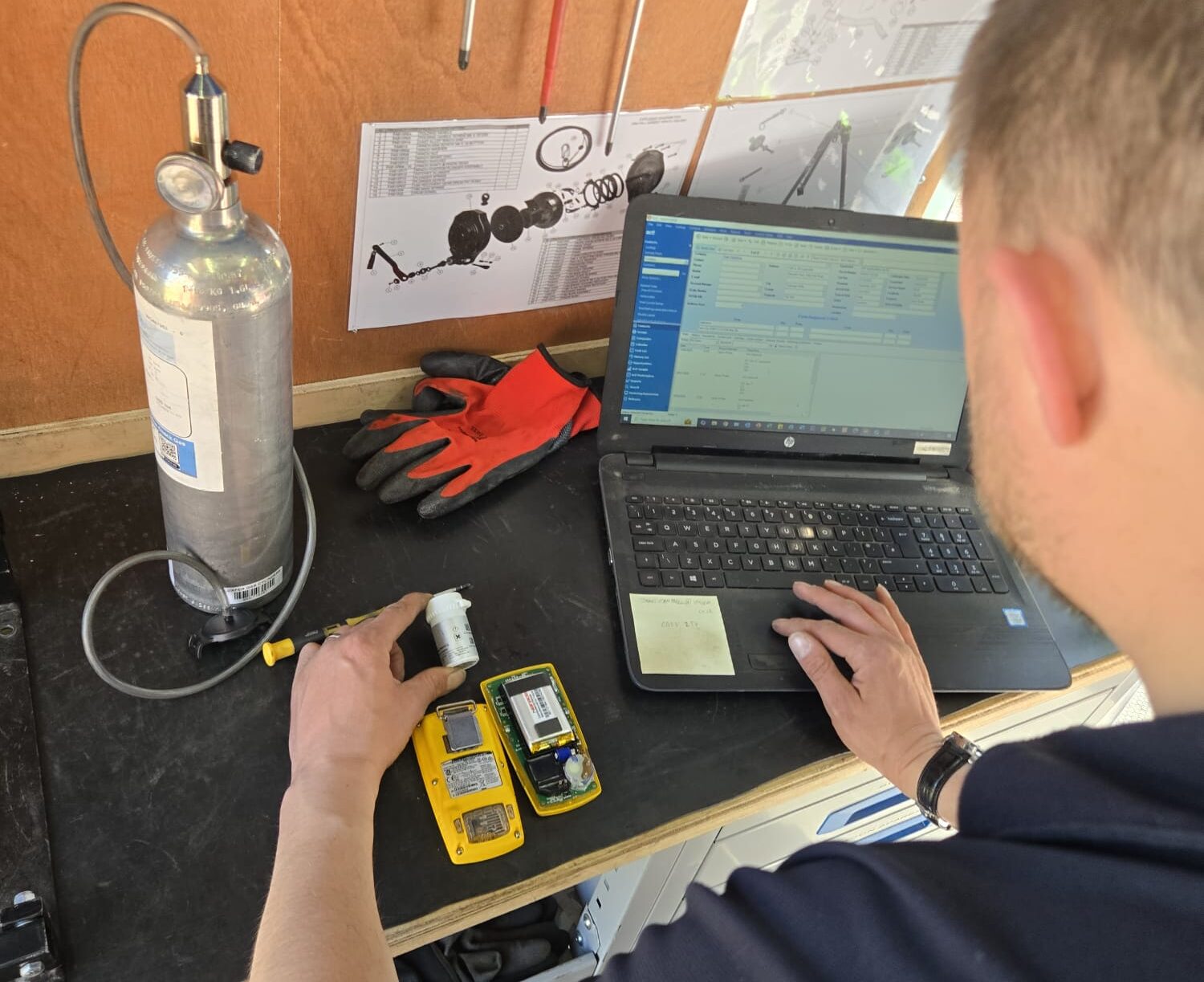
- Air monitoring – The environmental conditions of the confined space should be monitored before, and particularly during the operations. This ensures that the situation can be managed if hazardous conditions are developing.
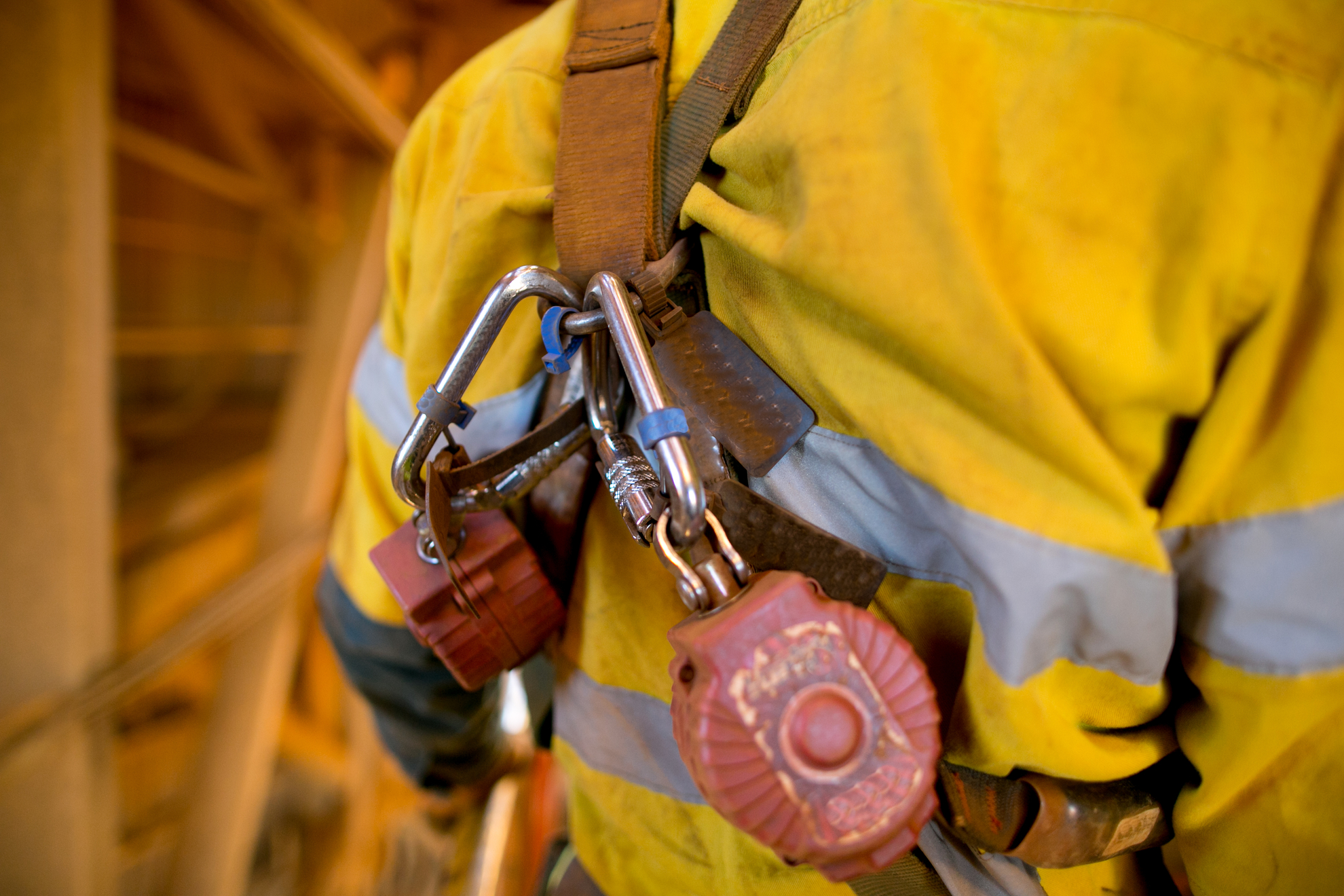
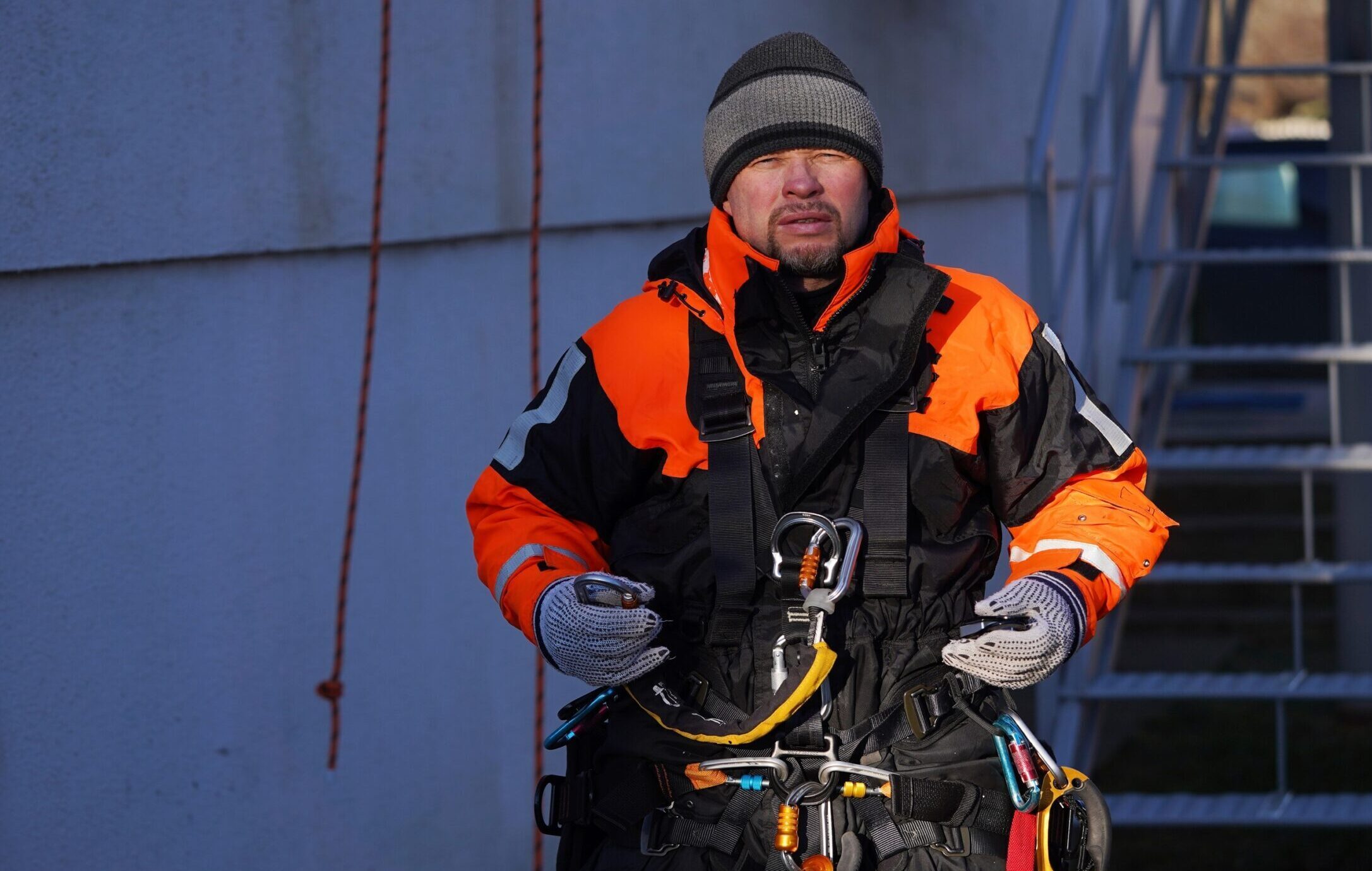
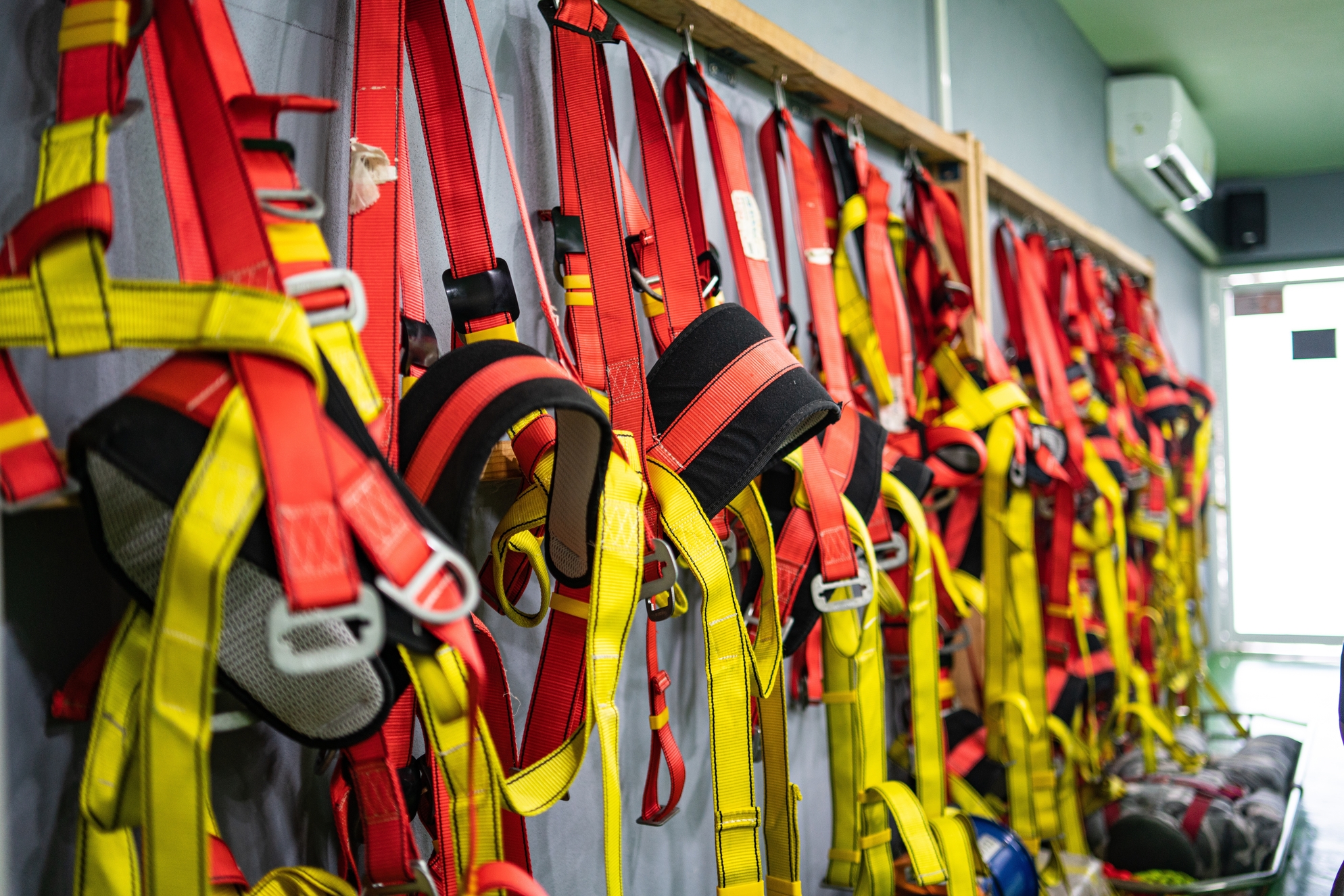
- Personal protective equipment (PPE) – The operation should be carried out with full PPE, such as breathing equipment, protective gloves and hats, harnesses, tripods and lifting equipment. This PPE should be regularly inspected and tested to make sure it is in good working order.
At Civil Safety we can provide accredited confined space training for your rescue teams and we can also provide trained and accredited confined space rescue teams to help manage your confined space operations. So make sure your construction operations are safety managed effectively and contact Civil Safety today.