Best Practices for Maintaining Confined Space Rescue Gear
The safety equipment used by confined space rescue teams is vital to a successful rescue. Even though teams are highly trained and follow strict procedures, they can only work as well as the equipment they use. That’s why regular, proper maintenance of confined space safety equipment must be a key part of any safety management plan.
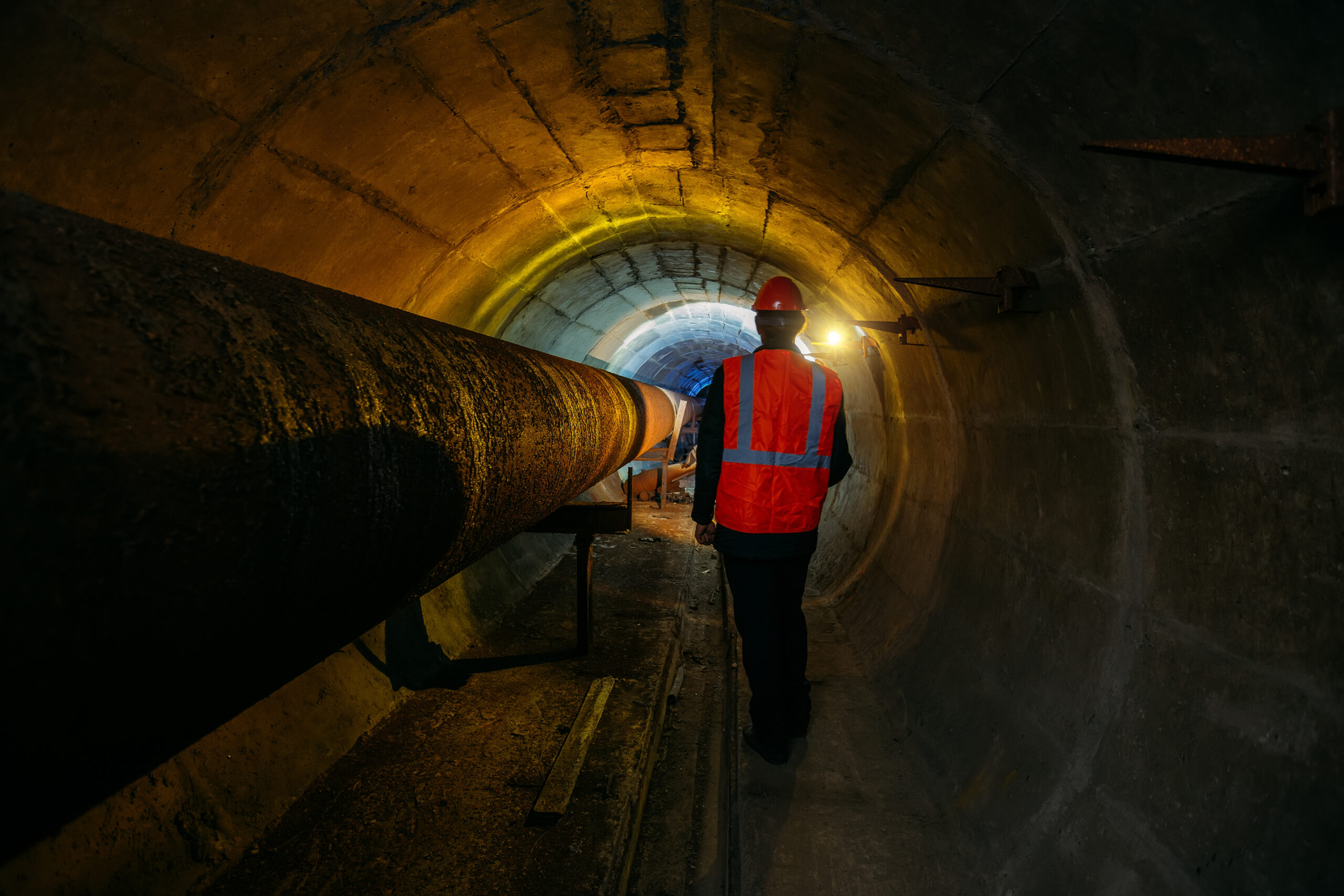
Best practice for maintaining confined space rescue gear includes elements such as adhering to manufacturer guidelines, user verification and storage, but these processes do differ according to the nature of the equipment. Typical safety equipment used by confined space rescue teams includes lifting equipment, harnesses, breathing apparatus and gas detectors. These all help in the unique locations considered to be ‘confined spaces’ such as tanks, pits, sewers, cellars, silos, trenches and crawl spaces and the unique hazards which exist there. Here we will take each type of safety equipment in sequence and consider the specific maintenance requirements, most of which are dictated by specific safety legislation relating to each type of equipment.
Lifting equipment
This section includes common safety items such as tripods, winches and stretchers. These are used to carry people and equipment out of confined spaces. These items would need to be inspected by the user immediately prior to each use, but should also be subject to a regular maintenance programme. Typically this would require a six-monthly inspection by a competent person. Manufacturer guidelines may also recommend an annual service and testing by an accredited third party testing team.
Harnesses
Harnesses and ropes are used to prevent falls and to assist in some lifting operations. Best practice differs according to how the equipment is used. Ideally, harnesses and ropes should be inspected every 6 months, especially if they are used for lifting and lowering people. This is due to the frequency of use and the additional strain involved in the operations.
Breathing apparatus
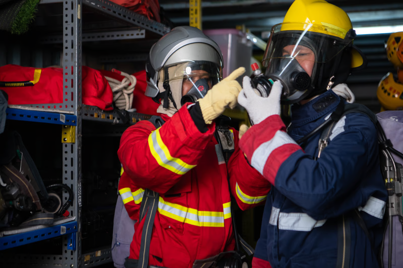
These items are used to assist the rescue team as well as a person or people they may be rescuing from a confined space. Respiratory equipment should undergo a monthly inspection from a competent person, and must be subjected to an annual service and testing. The frequency of the monthly inspection can be extended to a maximum of every three months if the breathing equipment is not regularly used. The cylinders within the breathing apparatus should be checked for pressure and leaks during this frequent user check, but should also undergo a more thorough test and inspection on a longer schedule. Again, this should be every 12 months in addition to a further inspection every five years.
Gas detection equipment
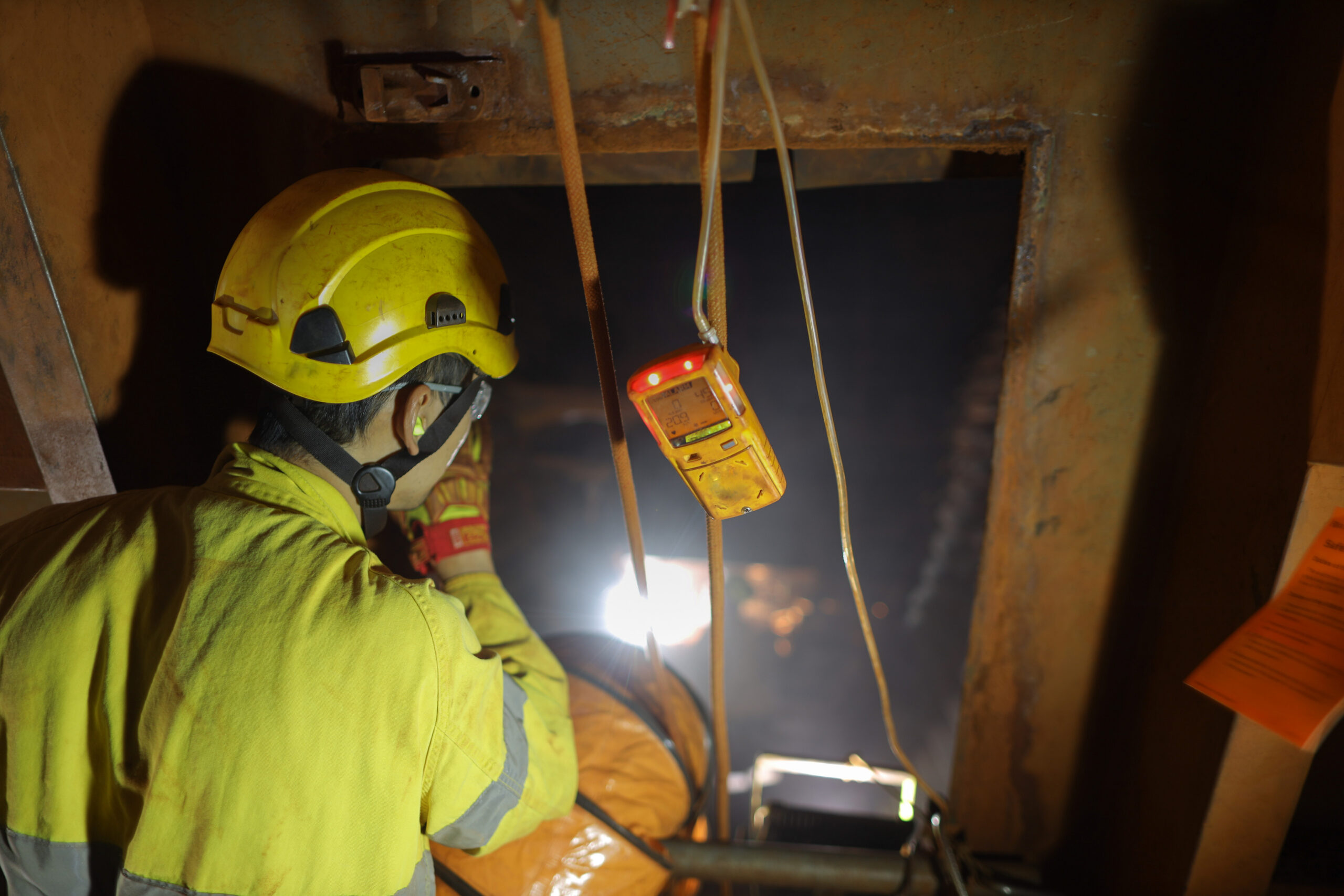
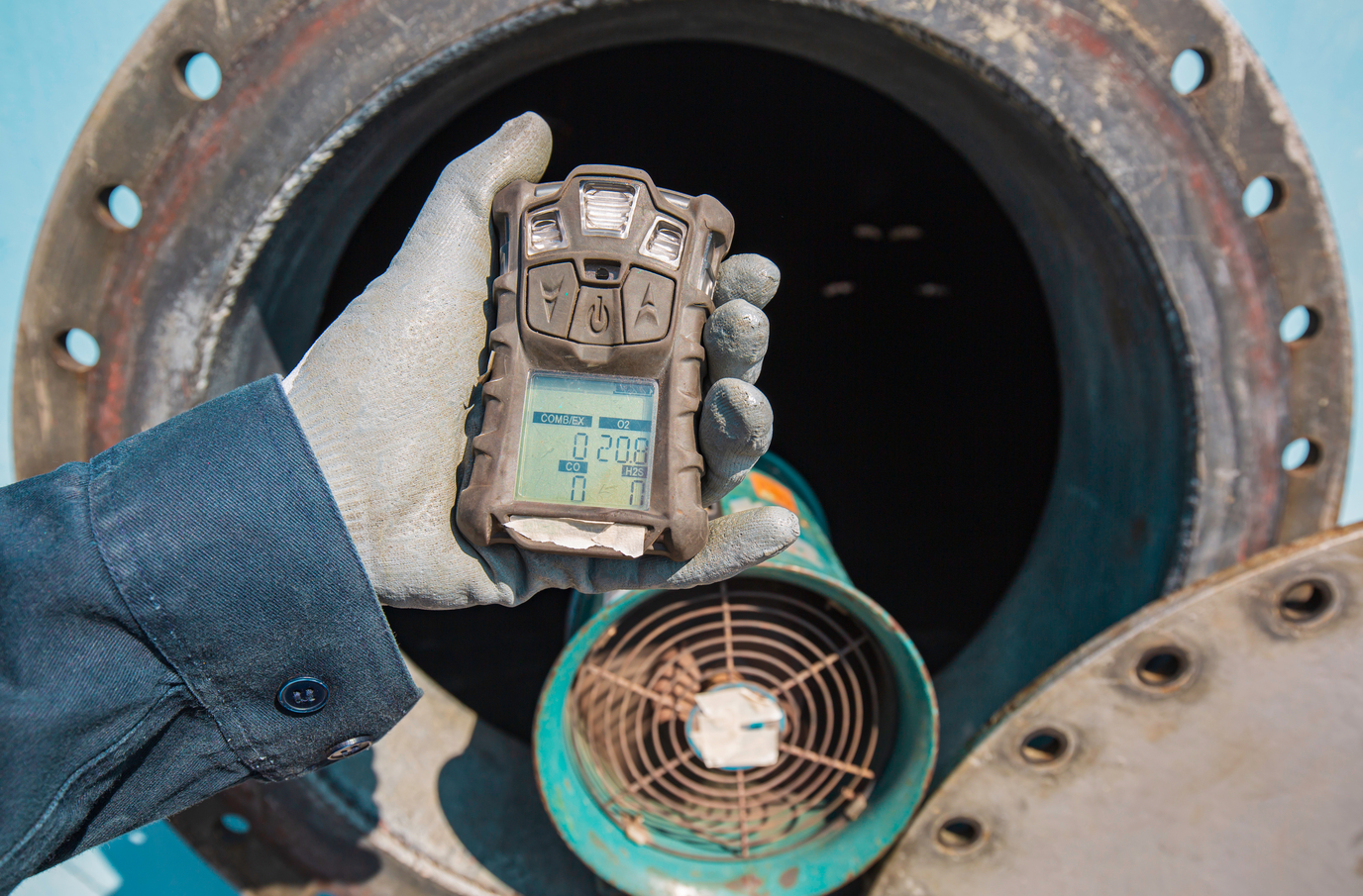
Rescue teams use gas detection to test the environment when in a confined space, which can help to establish what other equipment they can use and how they need to proceed with a rescue operation. A gas detector is a much more precise type of equipment compared to other items used by confined space rescue teams, and therefore maintenance is often dictated by manufacturer guidelines. However, it would normally involve a thorough inspection before each use, which includes what is called a ‘bump test’, which confirms the gas detector is functioning properly. Maintenance of gas detectors should also include a formal calibration on a six monthly basis.
General checks
In addition to the more specific maintenance requirements outlined above, the following checks and inspections apply to all confined space safety equipment and represent best practice in all situations:
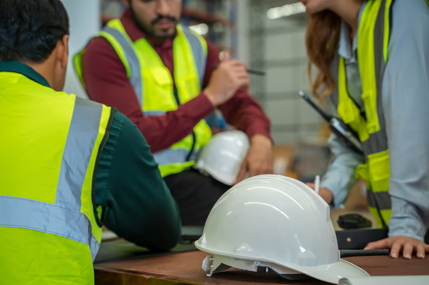
- Pre-use inspection – All items, including personal protective equipment and items such as ropes and harnesses, should be checked for signs of wear, such as cuts, fraying fibres and other damage. Meanwhile, items such as tripods and winches should be checked for structural integrity and functionality.
- Cleaning – All items should be cleaned after use to prevent a build-up of dirt which can degrade some materials, particularly where chemical contamination may have occurred.
- Storage – All items should be stored according to manufacturer guidelines but should adhere to best practice in terms of not damaging or deforming the item, or subjecting it to chemical contamination or moisture exposure.
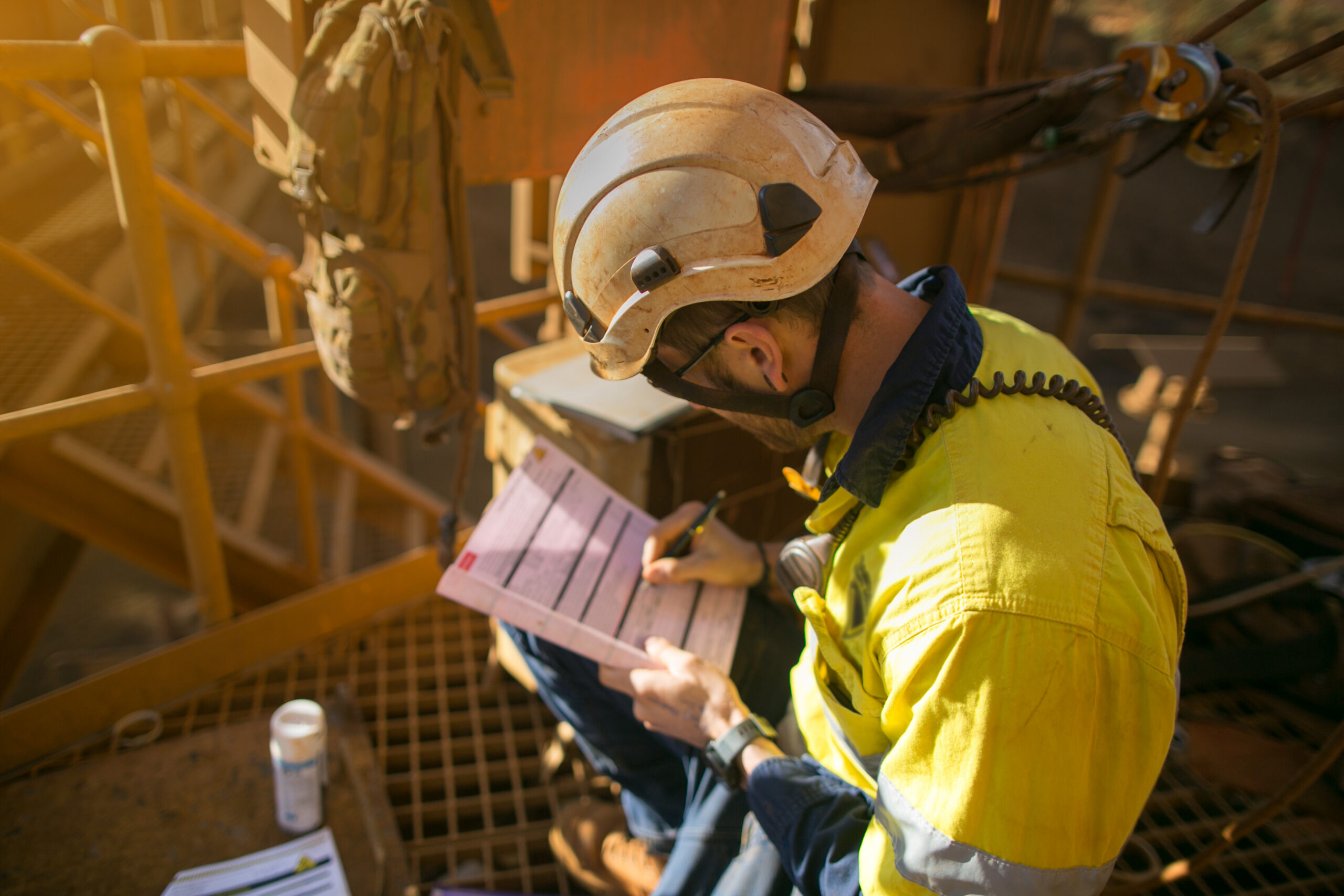
- Documentation – All items should be covered by detailed documentation which is kept up-to-date and details dates, service history, findings and any expiry dates.
- Removal – Documentation should also cover dates on which items have been removed from service. Procedures should be in place to immediately remove any items which fail regular inspection, which fail to perform during rescue operations or which are involved in an incident or injury because of damage, deterioration or malfunction.
Choose Civil Safety for your confined space rescue team safety equipment
At Civil Safety we can service your confined space rescue team safety equipment and can advise on the types of equipment you need. We can also provide confined space rescue teams to support your operations, so contact our team at Civil Safety for all your needs.