The Future of Safety Equipment: Trends in Equipment Servicing and Maintenance
Safety equipment performs a critical task and it is therefore essential that it is not only fit for purpose, but that it is also the very best solution for the required task. With that in mind it is important to acknowledge that the nature of a risk can change and new hazards can develop which may render an existing piece of safety equipment as inadequate or ineffective. This in turn means that service and maintenance of safety equipment also has to move with the times.
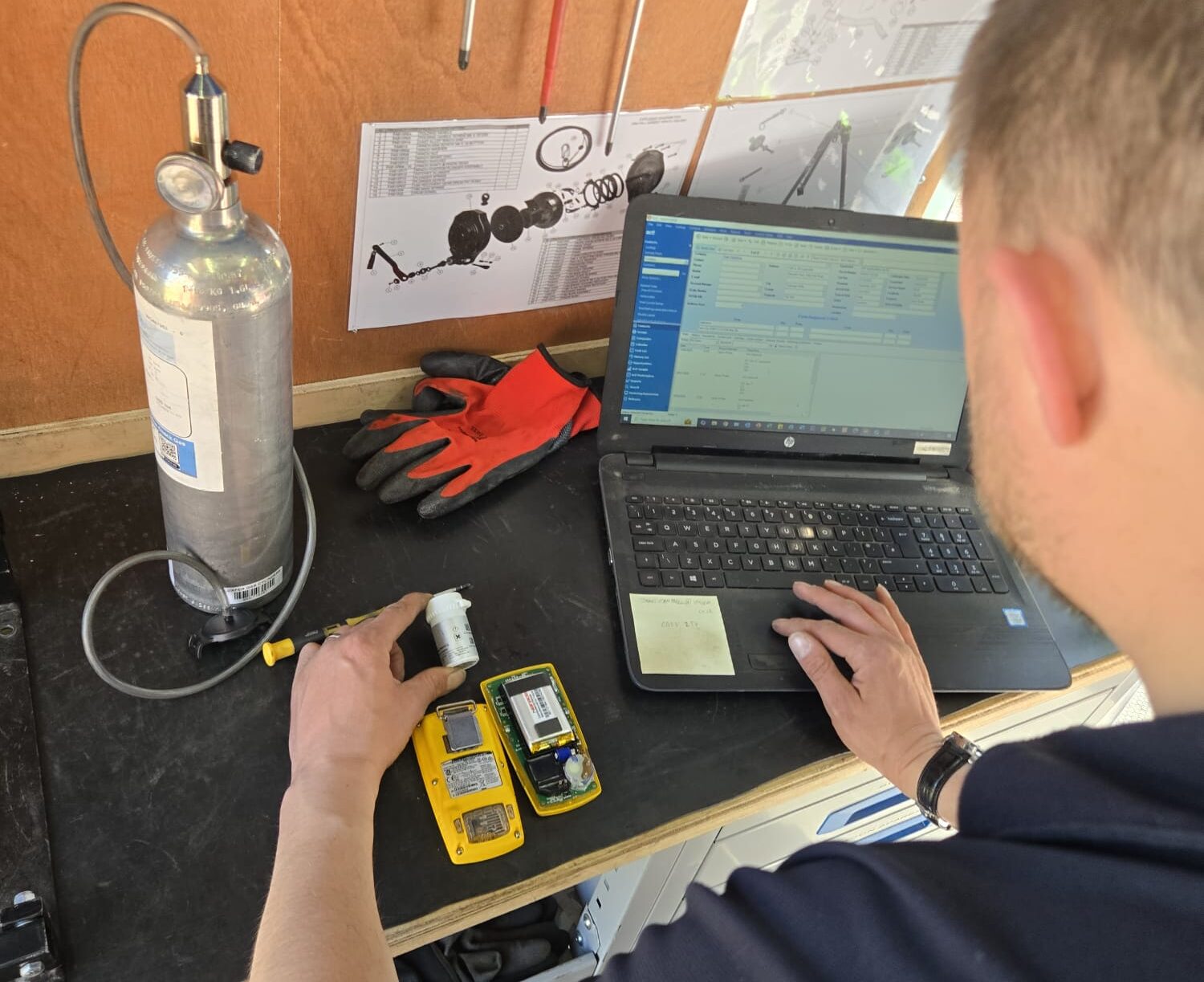
For this reason it is important to constantly review safety equipment, and how it is serviced and maintained, to ensure that it is still the best solution available and that you are using the best possible techniques to keep your safety equipment in suitable condition. Modern techniques for safety equipment service and maintenance provide the user with much more data and visibility and ensure that proactive measures can be taken to enhance worker safety and make operations more efficient and compliant. Here we have highlighted some of the common trends developing in the service and maintenance sector:
-
Predictive maintenance
Equipment can be installed with sensors which are able to track performance and provide operational data. This could highlight where a piece of equipment is not operating as effectively as it was, which could identify a fault. Performance metrics such as vibration, heat or noise can also identify issues proactively and enable interventions before failure and downtime occur. In some cases, AI-powered analysis can be used to convert this type of data into a predictive model. This allows a maintenance team to forecast ahead and to accurately predict when preventive maintenance schedules should be activated. AI analysis can also make up for skills shortages and reduces the possibility of errors.
-
Wearable technology
The concept of real-time monitoring enables management teams to be far more reactive and preventive in managing safety. So wearable personal protective equipment (PPE) such as helmets and vests can monitor performance and also detect issues such as impact and fatigue. Alerts and notifications can be sent to management which immediately highlight a need for intervention or for service and maintenance. Maintaining key PPE through real-time alerts also helps with compliance, for example if noise levels are changing, smart hearing protection can alert management to possible breaches of legal noise exposure limits.
-
- Virtual reality
Maintenance teams can now use augmented reality headsets to receive real-time overlays of a schematic drawing or equipment schematics. This provides them with essential guidance during complex repairs, and means they can receive important updates and information relating to maintenance procedures in remote locations. Virtual reality is also used to provide training for high-risk situations, and enables scenarios to be accurately simulated, such as working at height, confined spaces or emergency situations. Technicians working remotely can now provide key information to enhance their knowledge and to speed-up response times to equipment failure and safety hazards.
-
- Energy-efficient equipment maintenance
In addition to using biodegradable and recycled materials as much as possible in producing safety equipment, there is also a shift to practices which minimise waste and allow components to be used again. This makes service and maintenance more cost-effective and able to respond more quickly, while also helping to meet sustainability compliance targets.
-
Digital lockouts
With the use of more and more integrated smart systems, it is much easier for maintenance teams to manage isolation and to de-energise systems for maintenance work. This means there is less onus on a physical lock or tag system, and means systems can be de-energised and managed remotely by people with dedicated responsibilities.
-
Data for traceability
The above-mentioned systems which produce more data – from AI analysis, wearable PPE and VR simulations – can all be used for analysis and compliance requirements. Data can be used as traceable information and evidence of performance level and compliance, meaning service and maintenance programmes have more safeguarding mechanisms in place to ensure they are more effective.
Professional and effective service and maintenance of your safety equipment
Safety equipment is very rapidly developing to provide more options in terms of sharable and usable data, and making service and maintenance operations more efficient, proactive and cost-effective. Through taking advantage of AI and virtual reality, service and maintenance teams have more control and more visibility with which to make informed decisions based on real-time data.
At Civil Safety we are always looking at new ways to improve our service and maintenance of safety equipment and we have adopted many of these programmes to ensure our service to you benefits from the very latest technology. If you need to implement service and maintenance of your safety equipment, contact our team today.