The Critical Role of PPE in Protecting Workers in Hazardous Environments
March 2, 2026
A hazardous environment can involve a wide range of safety risks, and being suitably protected from these is a fundamental part of workplace safety management. Hazardous environments could involve extreme temperatures, heights and drops, gases and electrical exposure, deep water, chemicals or poor visibility. Of course, the first step in workplace safety management is to manage and reduce the risk, to minimise exposure or the risk factor through a series of controls and procedures. The last line of defence is often personal protective equipment (PPE), and while many different safety procedures and controls should be considered before you rely on PPE, it still has a crucial role to play in maintaining workplace safety, and particularly in a hazardous environment.
PPE can be tailored to be specific to the nature of the hazards you are exposed to. PPE acts as a critical barrier against injury, health difficulties, illness and disease, and it could make the difference between life or death, or more commonly it can protect an employee from a long term health impact. As a last line of defence, PPE acts to mitigate the risks identified in a risk assessment and which cannot be entirely eliminated through other safety controls or engineering solutions.
Types of PPE
The most common examples of PPE include:
- Head protection – Different styles of helmets and hard hats can be used to protect the head from falling objects or impact injuries from low-lying objects.
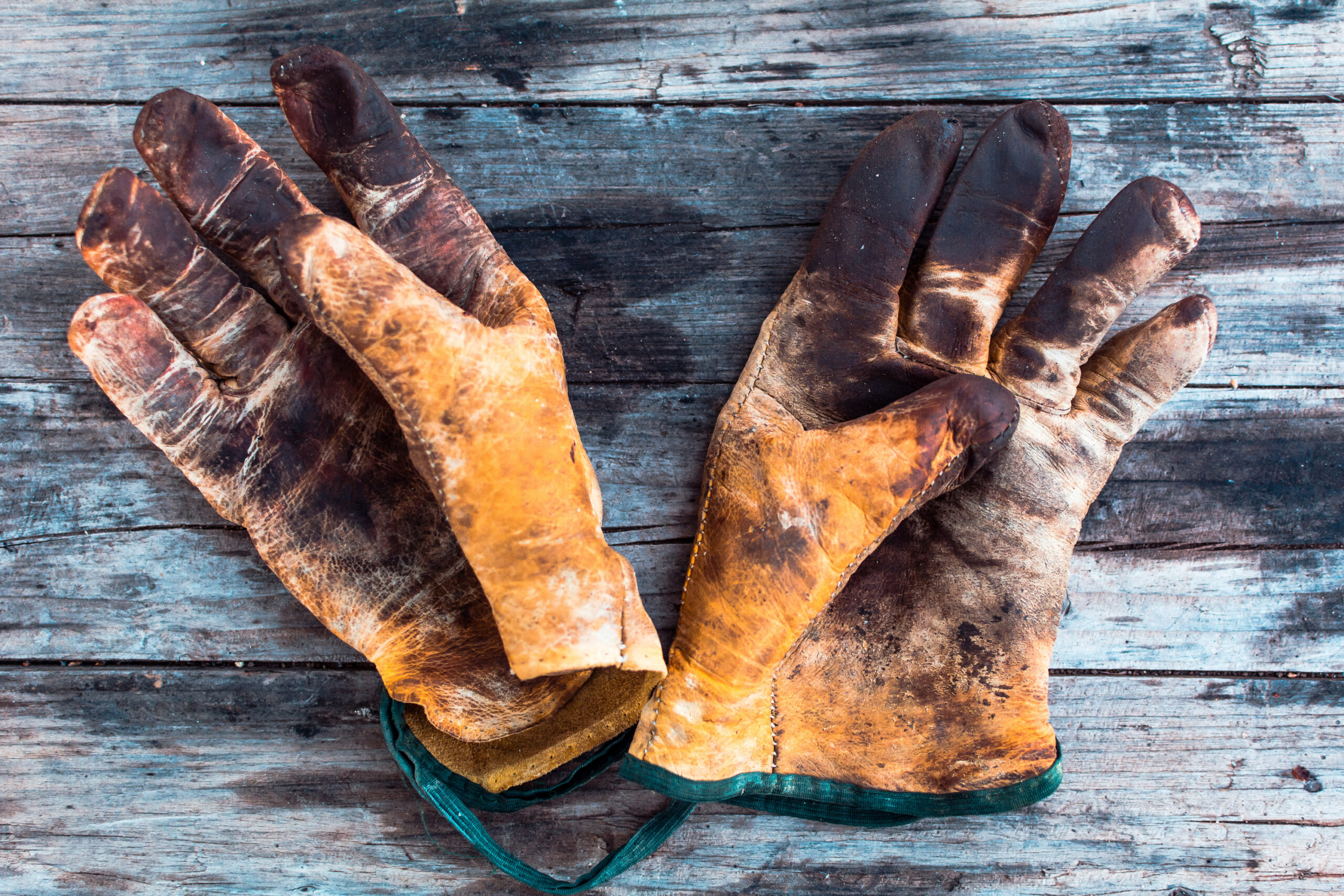
- Hand protection – Gloves and gauntlets protect the hand from sharp objects, extreme temperatures and chemicals.
- Hearing protection – Earplugs and earmuffs reduce noise exposure to safe levels for extended or repeated exposure.
- Eye protection – Safety glasses, visors and shields protect the eyes from flying debris and chemical splashes.
- Respiratory equipment – Face masks and respirators help to filter the immediate air to reduce airborne contaminants, so that you are only breathing in clean air.
- Foot protection – Safety boots and shoes protect the feet from falling objects, vehicle movement and chemical spillages.
The primary roles of PPE
- Risk reduction – PPE is designed to reduce your exposure to a range of hazards, which could be physical, audible, chemical or biological. PPE can protect you from gases, chemicals, noise, extreme temperatures, moving or falling objects and electric currents.
- Injury prevention – The proper use of the right type of PPE can significantly reduce the impact of any hazardous exposure.
- Compliance – Health and safety law dictates that PPE is mandatory for a wide range of different operations and that the employer has to do as much as is reasonably practicable to reduce workplace hazards. While other safety controls are necessary in most situations, PPE is considered a standard obligation for many operations, particularly for issues such as where high noise levels can’t be reduced or dangerous chemicals have to be used.
- Employee reassurance – An employee who is fully protected with PPE will feel safe and this will help to improve their performance. PPE provides an enhanced reassurance and a sense of security and confidence. Looking after an employee’s wellbeing is a basic duty of an employer, but can also be good for morale and productivity as employees feel valued and protected.
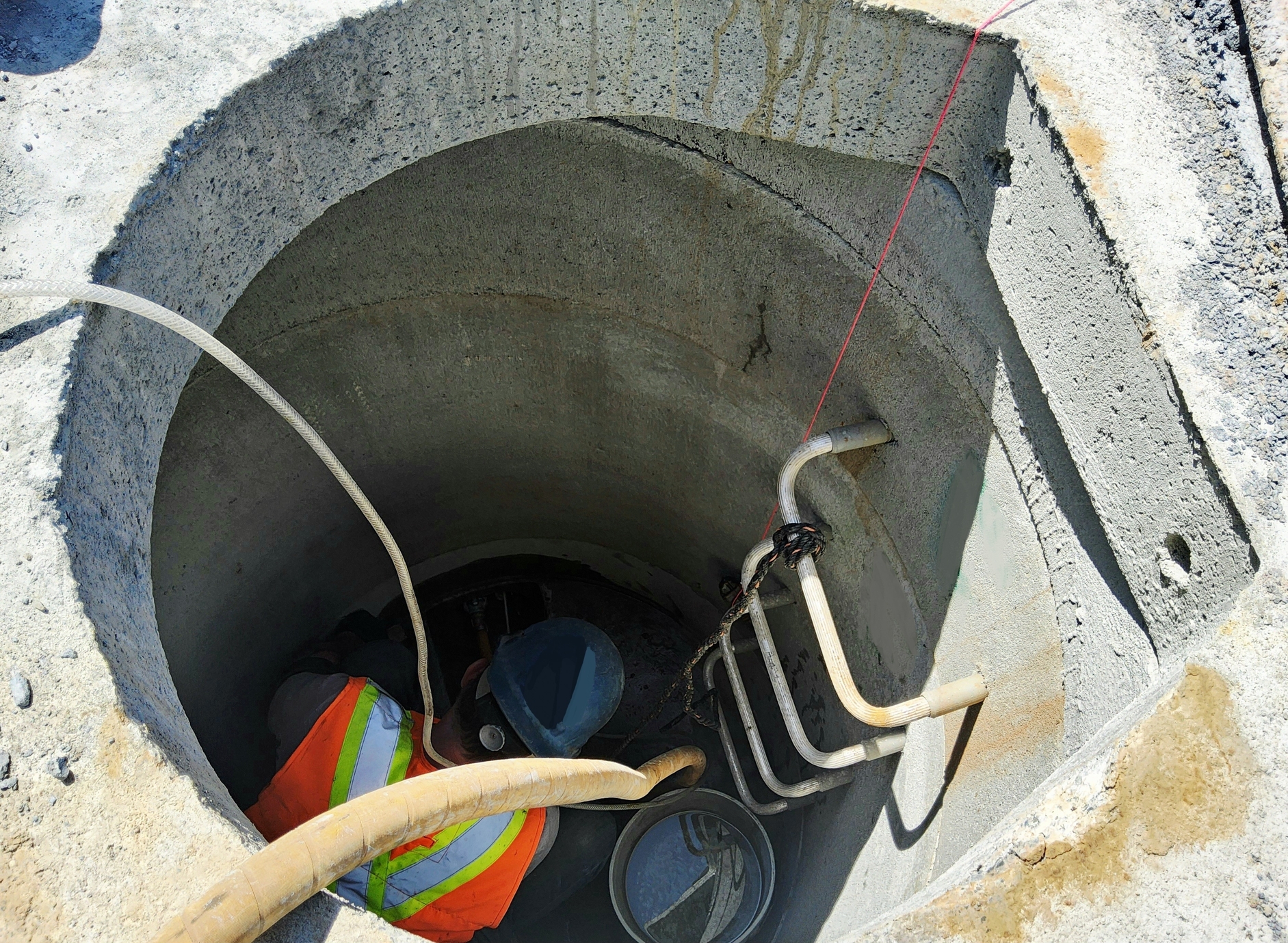
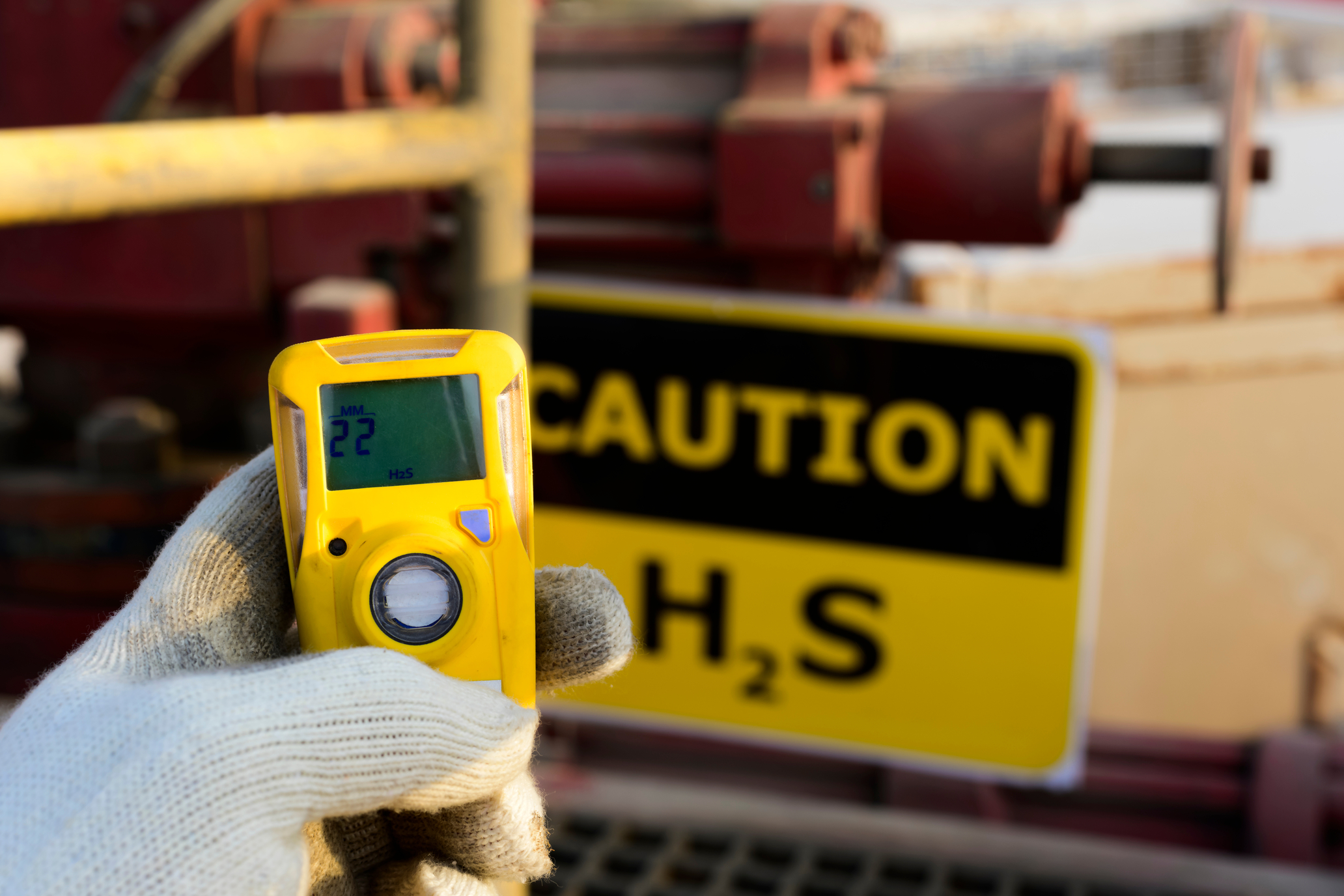
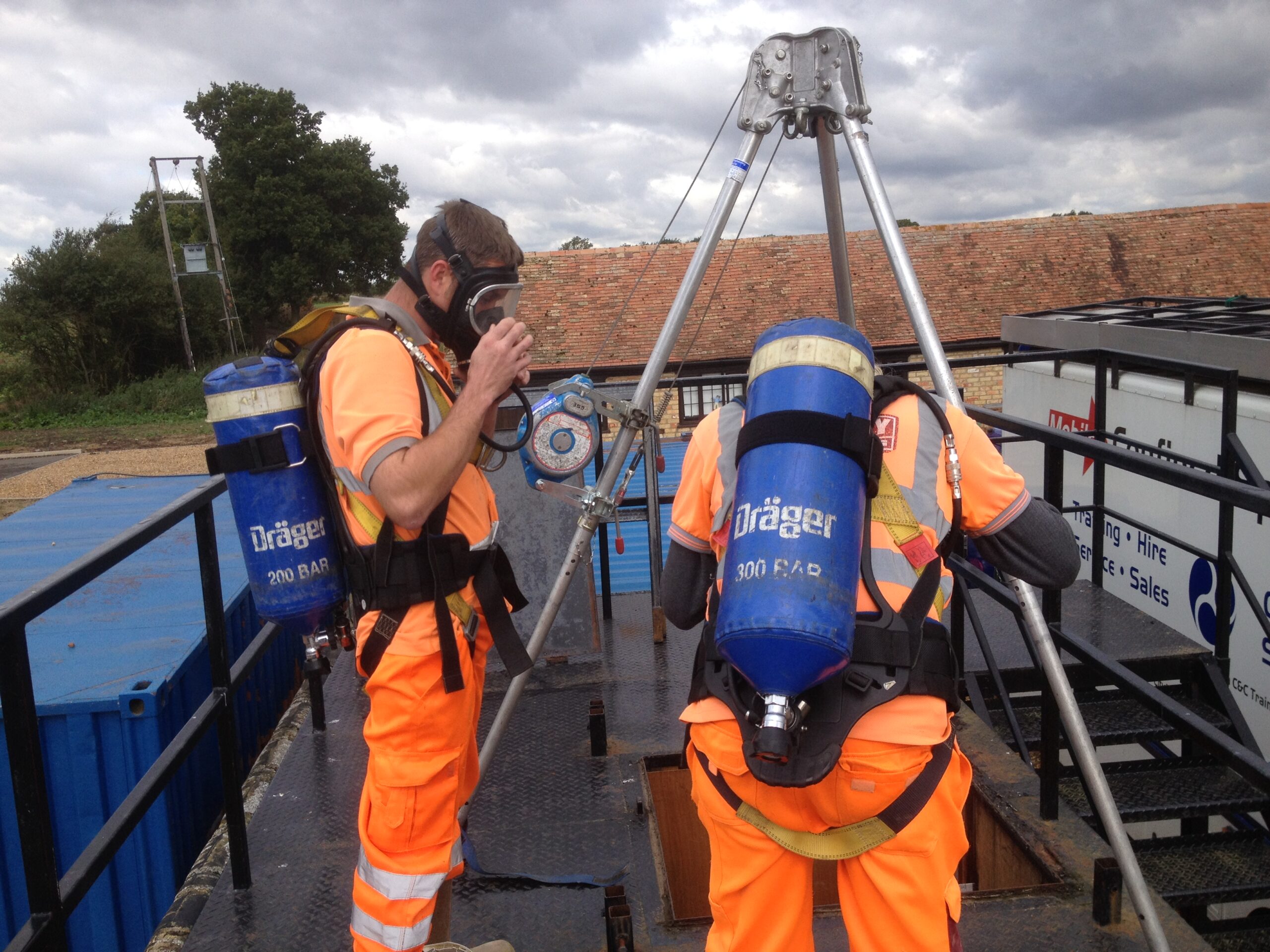
- Specialist – There are examples of specialist PPE which plays a critical role in protecting an employee in certain hazardous environments. This goes beyond basic protection and means that PPE is essential in protecting the employee. An example of this is breathing equipment used in confined spaces, where gas levels may be dangerously high. This is not just protecting the employee from the ‘possibility’ of a risk exposure, it is an essential control against a definite likelihood of high exposure.
So, although PPE is only part of a hierarchy of controls, which should initially consider eliminating the risk, substituting the risk or engineering the risk out of an operation, it remains an important layer of protection in many hazardous environments. And while it is important that employees understand the role of PPE, they should also be trained on:
- The correct use of PPE
- Using PPE that properly fits and operates effectively
- How to store and maintain PPE
- Reporting defects with PPE
Only then will PPE perform effectively and provide the safety protection in hazardous environments that the employee needs. The employer has a duty to recognise the importance of PPE and to educate their employees on how to use it, and must also invest in good quality PPE that is suitable to the existing hazards. This will help to create a working environment that is safe and also where the employee feels valued and protected.
If you need PPE for your safety operations and hazardous environments, contact Civil Safety today and we can help to supply what you need and keep your workforce safe.