Confined Space Safety in Chemical Processing: What You Need to Know
Chemical processing can involve many different types of processing and many different types of chemicals, both in terms of what is used and what is produced. These can be chemicals such as fuels, plastics, pharmaceuticals and fertilizers and processing can include storage, transportation and physically changing chemical properties. Chemical processing is a strictly regulated sector but is still a high-risk operation due to the possibility of serious injury or fatality due to asphyxiation, poisoning, burns and explosions.
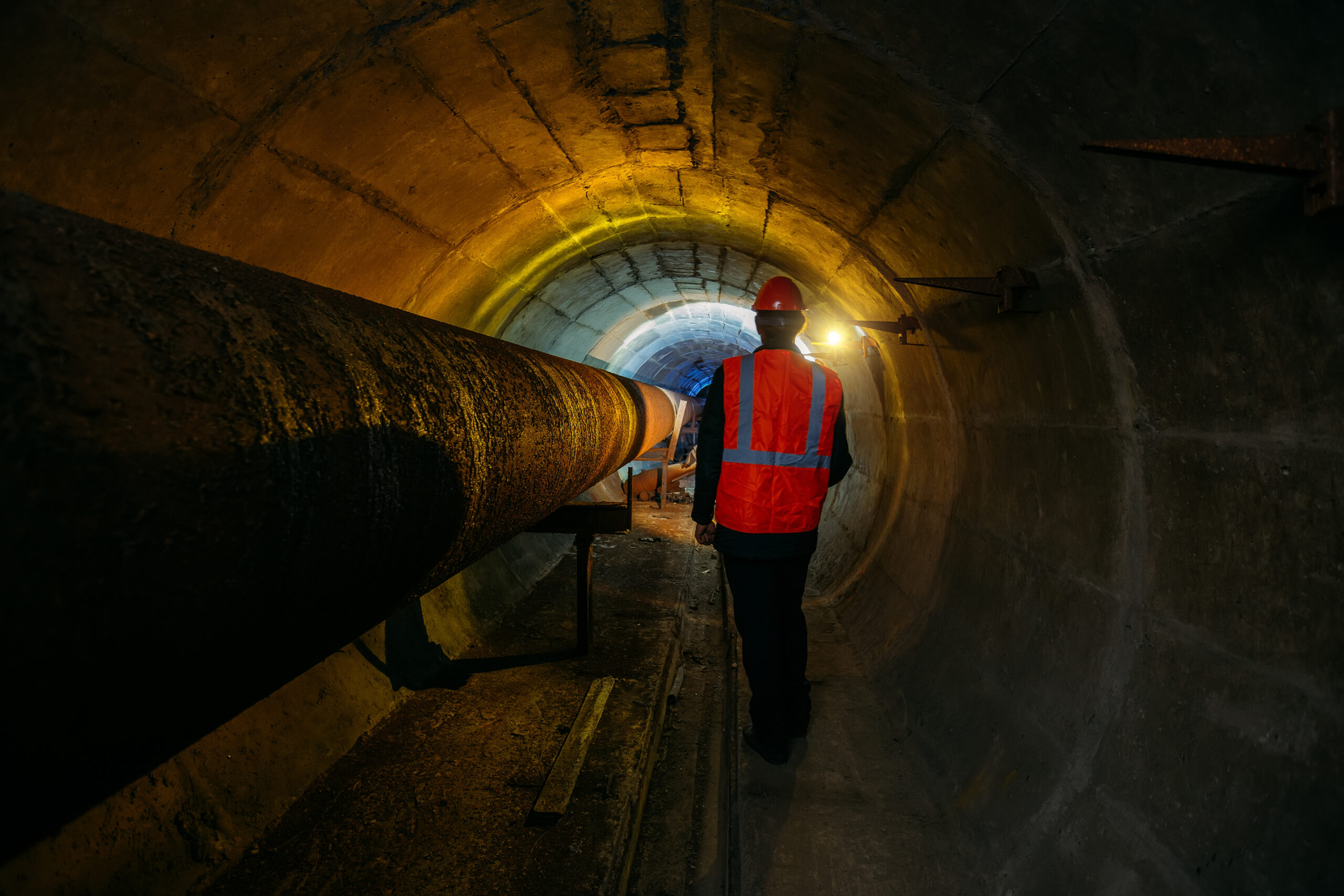
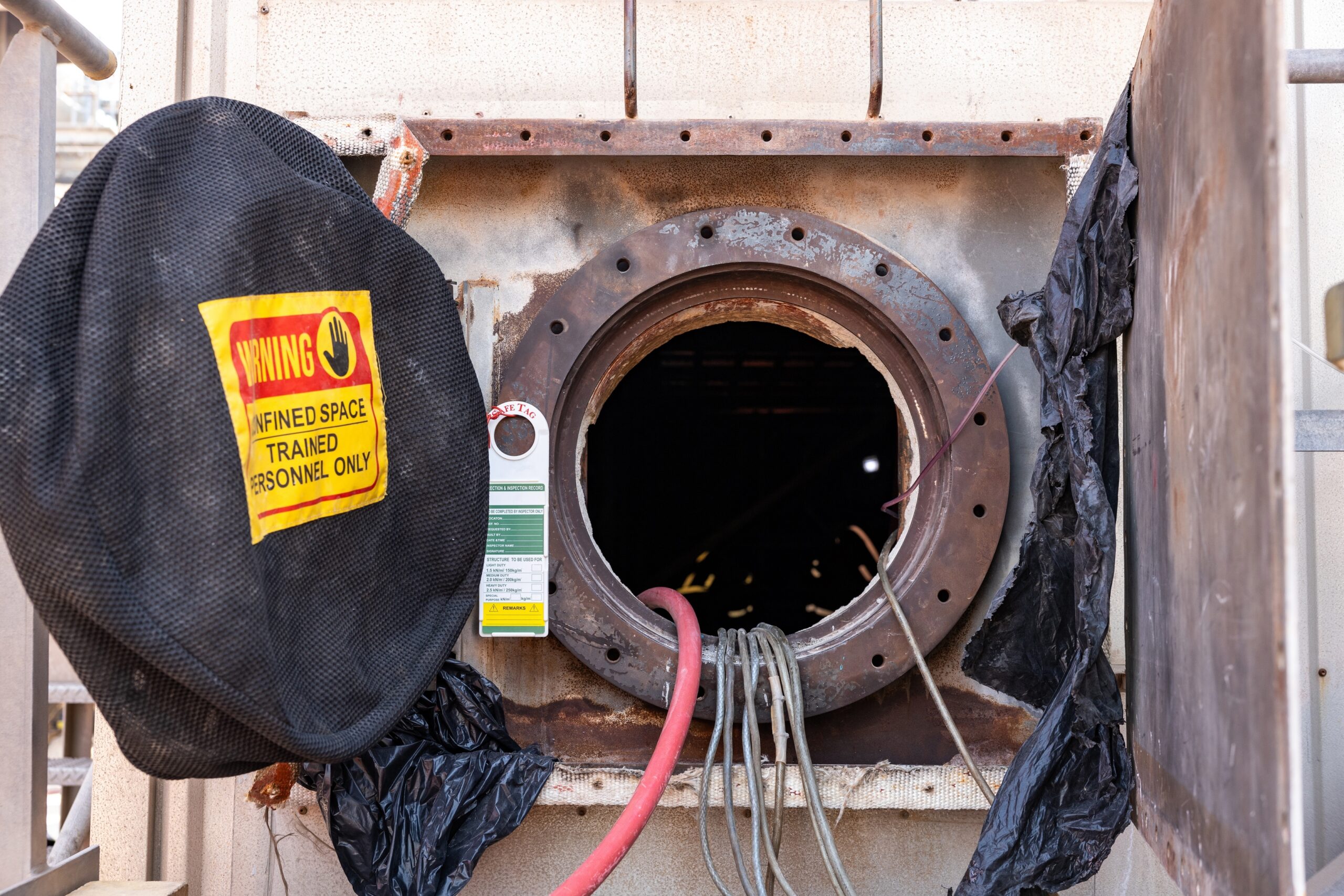
Working in confined spaces in chemical processing operations is very common, but is also very hazardous, because areas such as reactors, storage tanks, vessels, pits and pipework can contain dangerous atmospheres and environments that are extremely volatile and which can change very quickly and dramatically. For this reason, confined space work in chemical processing needs to be controlled by a strict and comprehensive risk assessment process, and this should include a number of safety considerations.
Safety considerations for confined space working in chemical processing
- The risk assessment
A risk assessment should be carried out to identify the key risks involved in working in confined spaces in chemical processing. This should define what areas are considered to be confined spaces and what specific hazards they contain. In chemical processing this is likely to include atmospheric conditions and physical contact with chemicals, whether they are liquid, solid or gas. Working in confined spaces can also produce other safety hazards, such as extreme temperatures, and physical hazards such as obstructions, limited movement or working at height. The risk assessment should formally address the hazards identified and what control measures are in place to manage them. This should create a list of actions where the safety control measures can be improved.
- Alternatives to entry
The easiest way to avoid the dangers presented by confined spaces in chemical processing is to avoid entering the confined space. You should therefore study the process and assess whether entry can be limited or removed altogether. Could drones be used to inspect an area rather than a human? Could some operations be automated? Could tools or equipment be used to enable work to be done externally to the confined space?
- Operating procedures
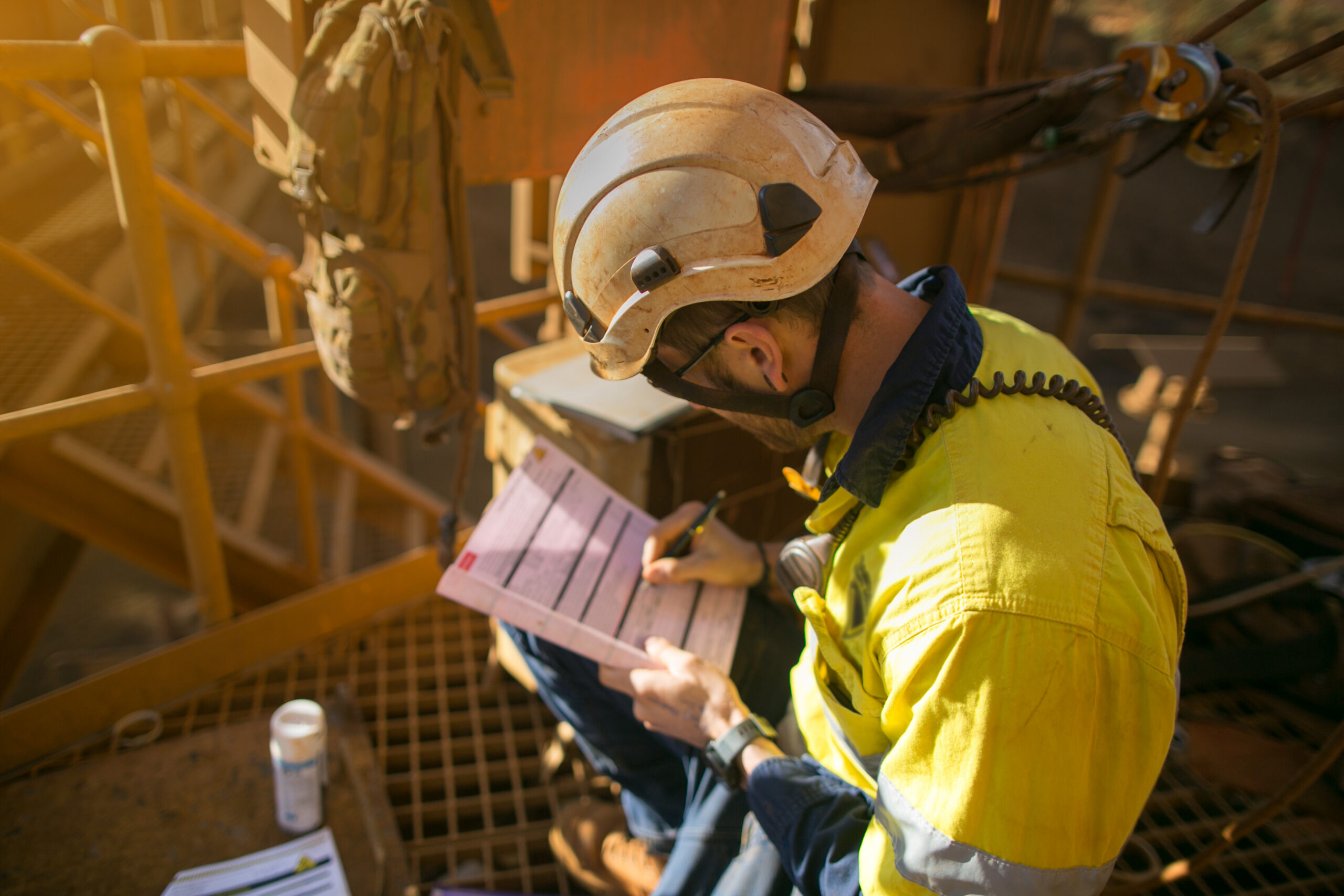
Where assessment has concluded that entry is required to the confined space, you should formalise the plan of action and have robust operating procedures as a safe system of work. These can adopt a permit system whereby entry to the confined space is monitored and authorised, so that everyone is continually accounted for. An isolation process should also be in place to ensure that energy sources which could potentially cause a chemical hazard are switched off and remain switched off. To minimise risk, an area should be cleaned and inspected prior to work taking place. Whoever is designated to work in the confined space should then be following strict and formal operating procedures, and should not deviate from these, or at least should not do so unless they are following an authorisation route and alternative practices which are also controlled by strict procedures and safety control measures.
- Atmospheric monitoring and ventilation
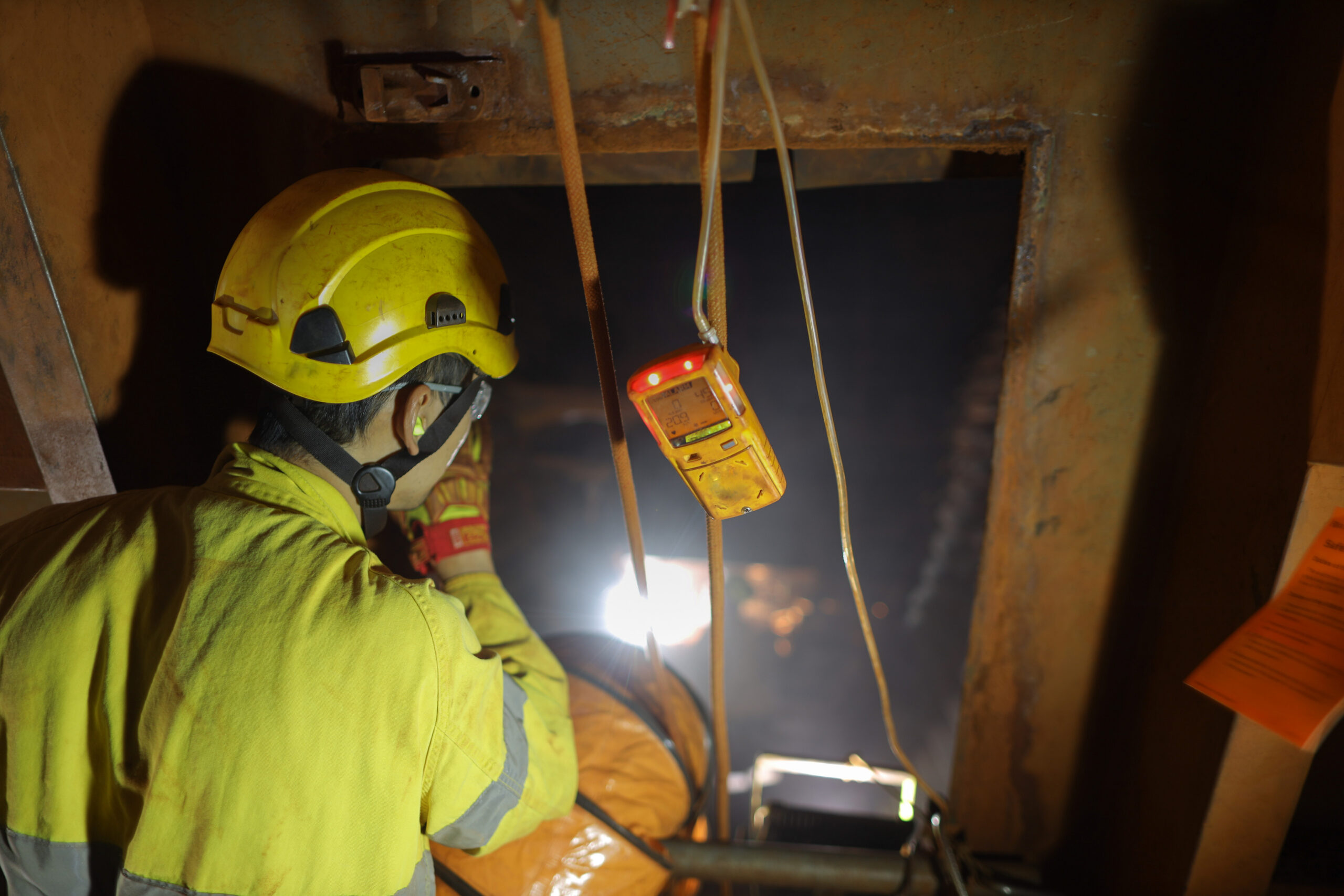
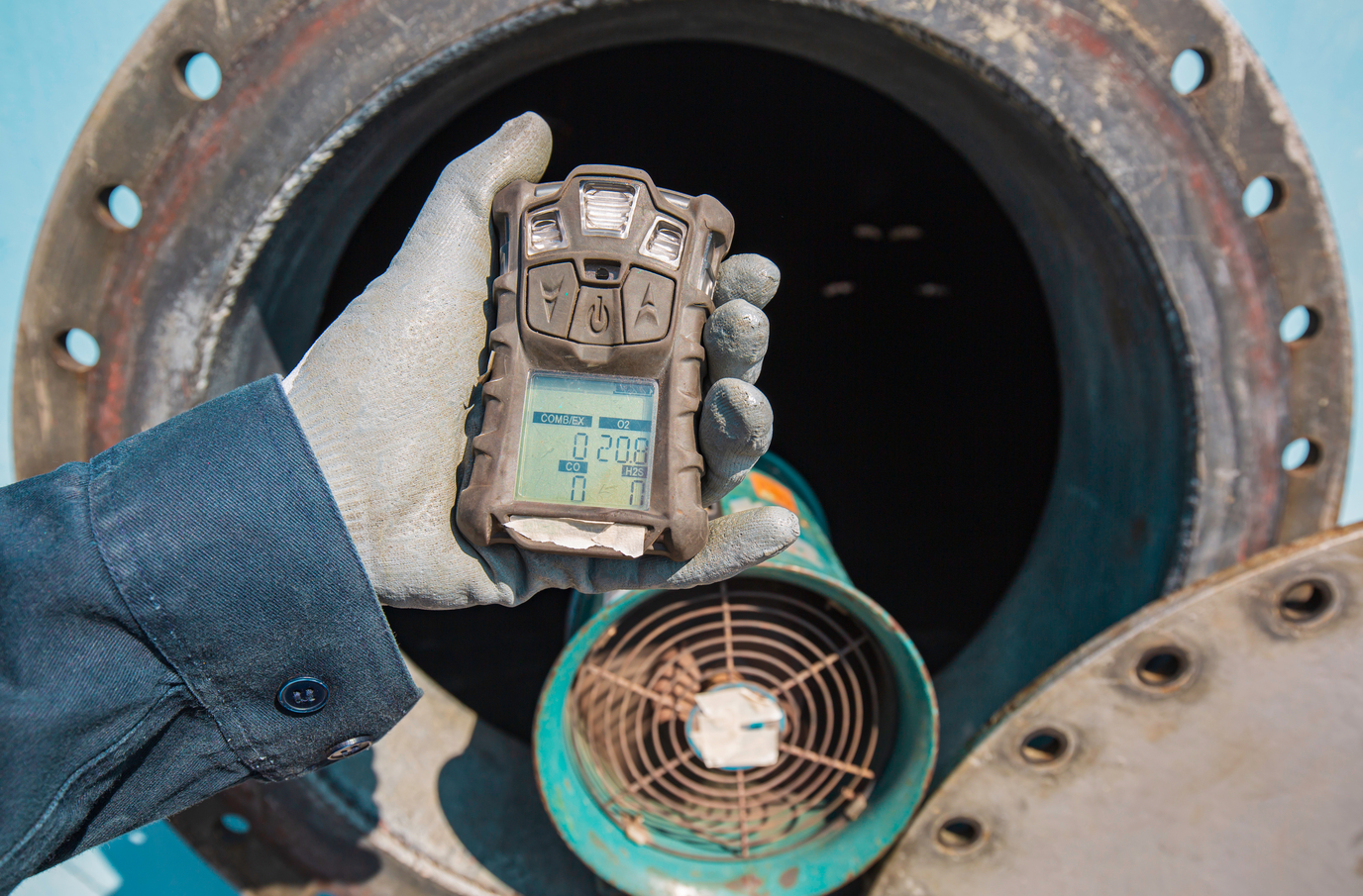
Anyone working in confined spaces in chemical processing should have a form of ventilation in terms of introducing fresh air and having hazardous fumes exhausted. Where possible, the atmospheric conditions should be tested prior to entry, ensuring there is sufficient oxygen and levels of known toxic gases are below safe limits. These atmospheric conditions should be continually monitored during the work.
- Personnel training
The people entering confined spaces should be designated as competent and should be trained and authorised for the specific task they are undertaking. This includes rescue teams should they be needed.
- Communications
A dedicated person should be nominated to remain external to the confined space and to maintain two-way communications both with the person entering the confined space and with a safe location, such as a remote office. This may be required to trigger emergency procedures should they be needed.
- Emergency procedures
A pre-planned and drilled emergency procedure should be in place with clearly defined roles and responsibilities, before anyone enters the confined space. A fully equipped and trained rescue team should also be in place.
- Regulatory controls
The organisation should ensure strict compliance with regulatory controls. This will require regular internal and external auditing, which will help to ensure all the necessary safety controls are in place and are effective.
- PPE
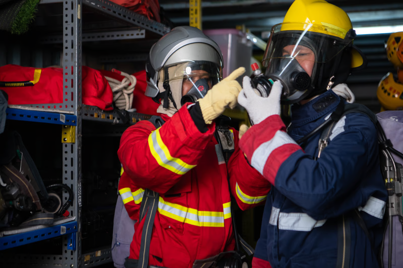
Workers entering confined spaces should use suitable personal protective equipment (PPE) such as gloves, helmets, eye protection and respiratory equipment.
Professional support with working in confined spaces
Working in confined spaces is a specialist task and requires clearly defined roles and responsibilities in terms of maintaining safety. This is particularly true in chemical processing operations. If you require expert training in working in confined spaces, then contact our team at Civil Safety today.