When to Replace Your Safety Equipment: A Comprehensive Guide
Safety equipment is essential for the protection of people carrying out their general duties, and also for specific tasks which carry a hazardous nature, such as working in confined spaces or working at height. People using safety equipment are completely reliant on this equipment being adequate and fit for purpose, and for this reason all safety equipment should be subjected to rigorous inspection and maintenance programmes to ensure it continues to fulfil its primary purpose.
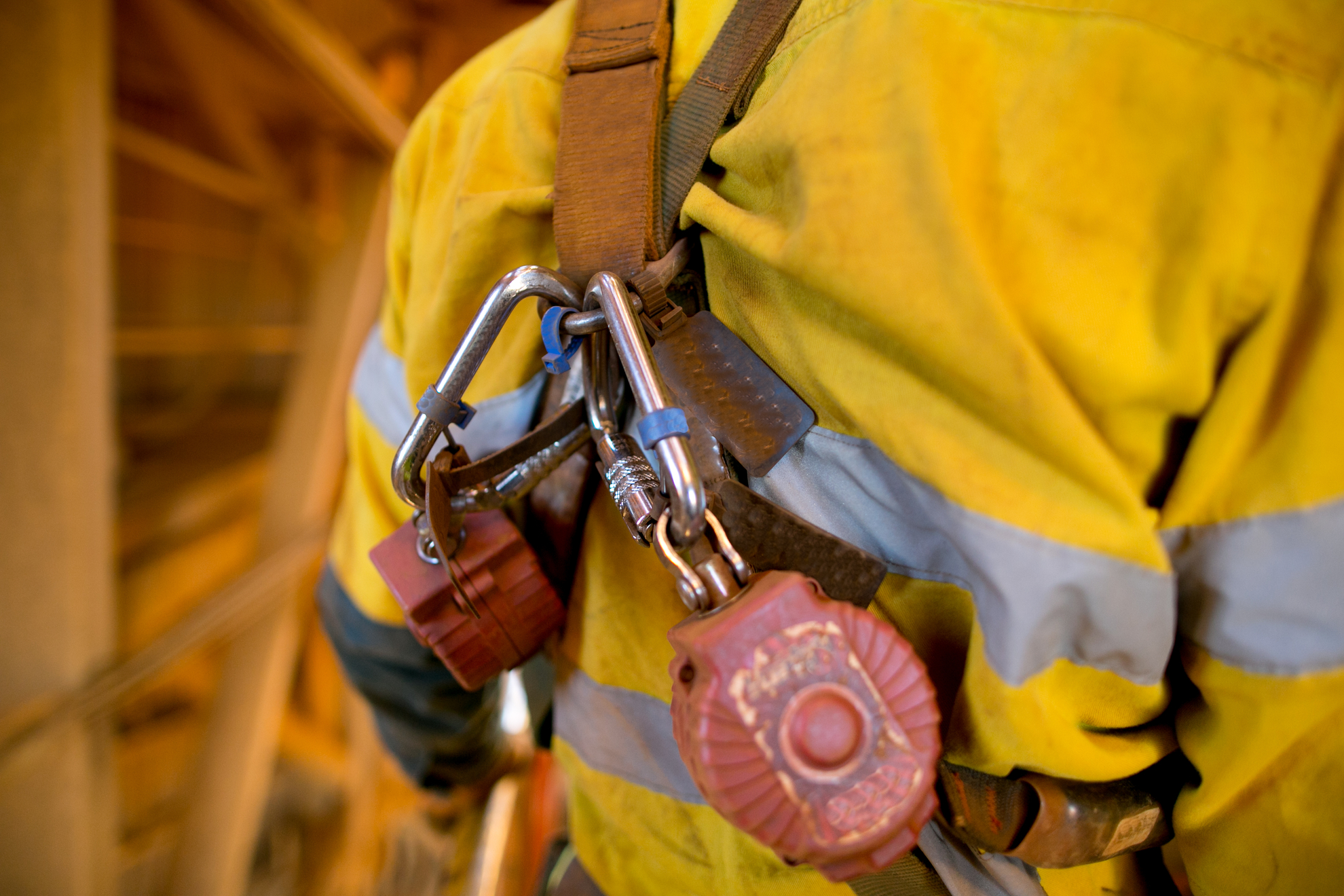
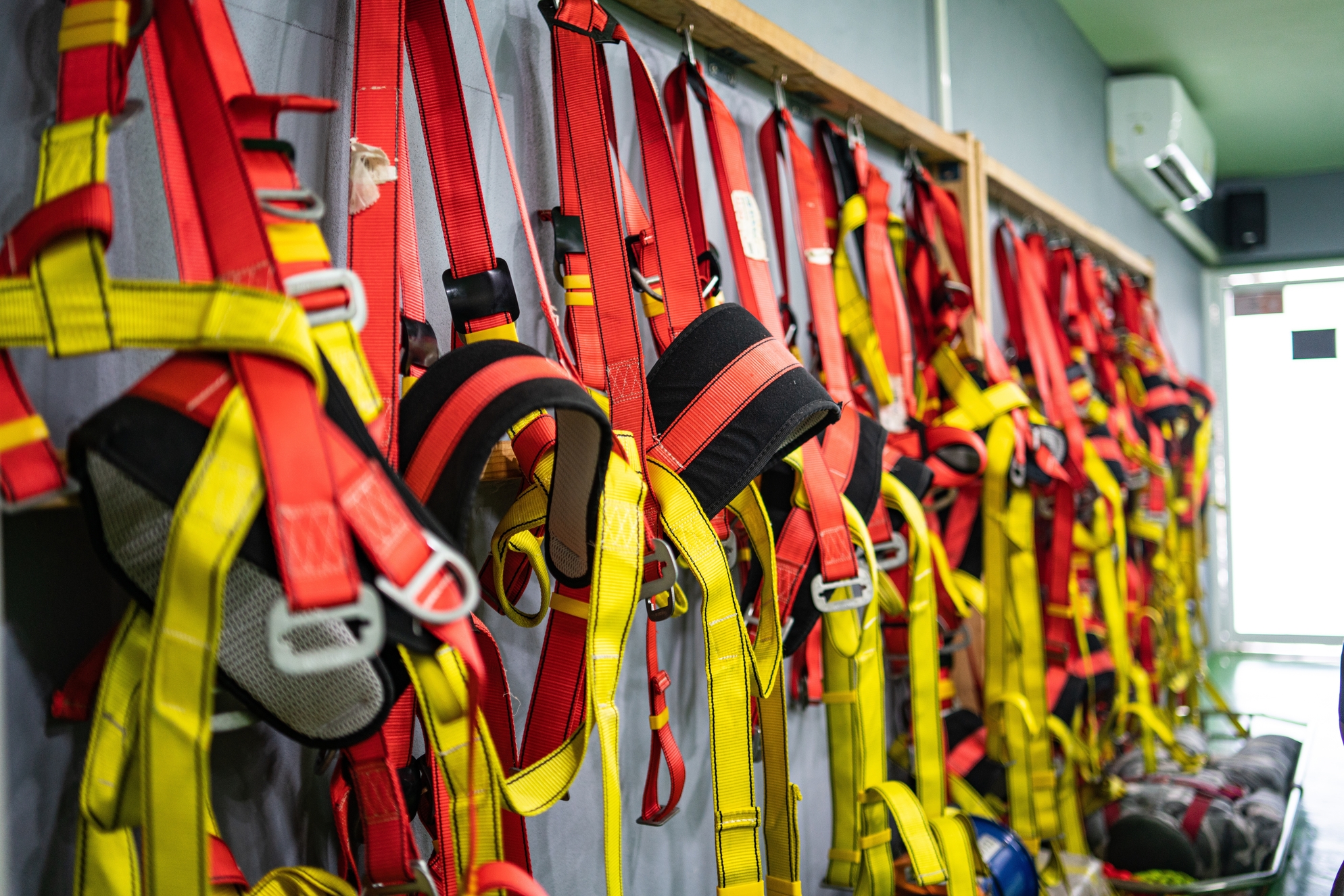
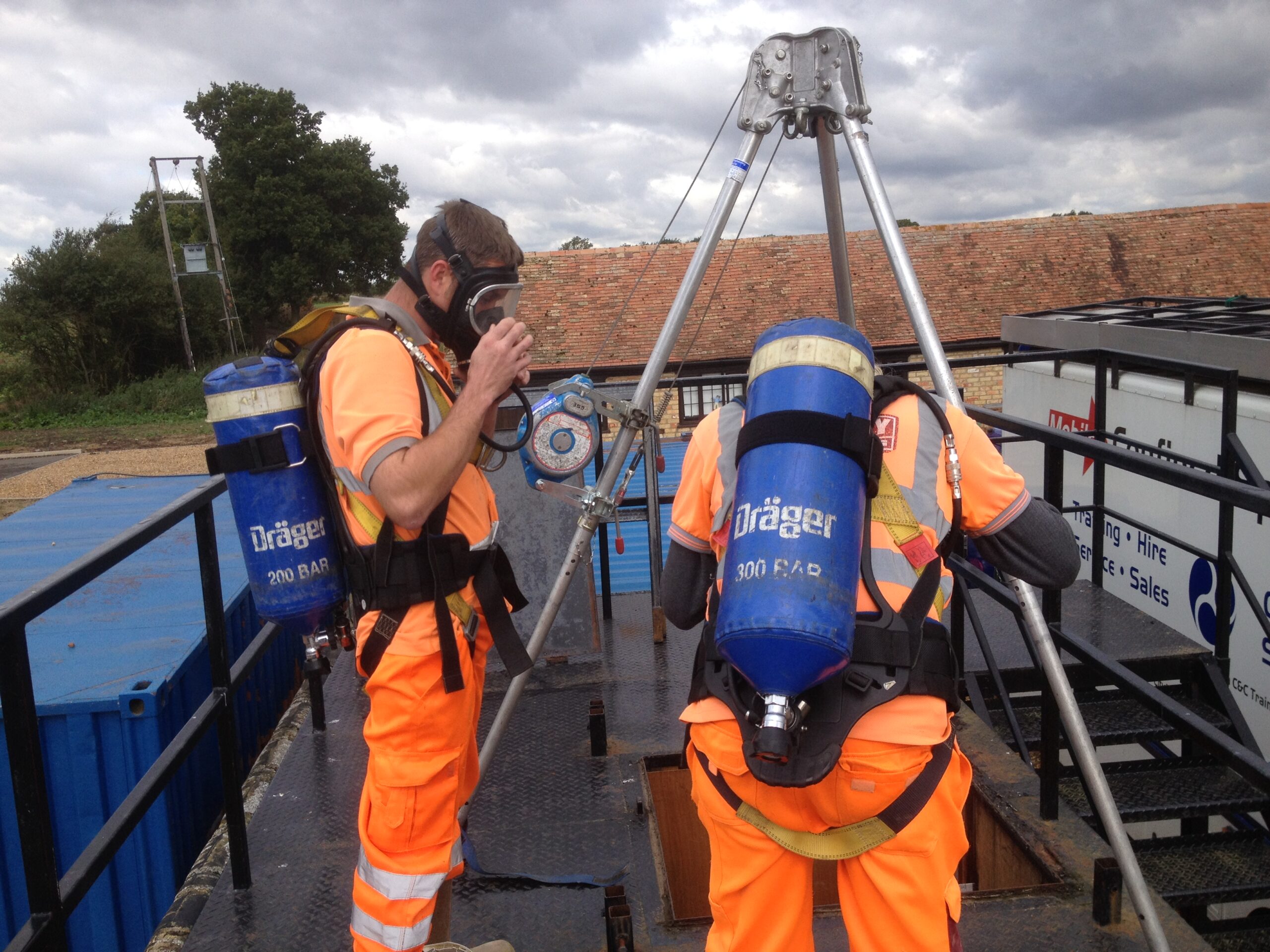
Typical types of safety equipment include personal protective equipment (PPE), breathing apparatus, tripods, fall arrest systems, stretchers, winches, ladders, harnesses, lanyards and ropes. These all have different characteristics and purposes and are all susceptible to different types of wear and damage. For this reason, the signs that they may need replacing can be very different. Here we have outlined some common signs which indicate that safety equipment needs replacing, and where possible have applied these to examples of specific safety equipment.
-
General guidelines
The Health & Safety Executive (HSE) issue general guidelines over some types of safety equipment, with recommendations for when they should be replaced. These cover PPE such as hard hats, gloves, eye protection and overalls, but also cover items such as fall protection and respiratory equipment. Consulting these guidelines can give you a good indication of when you should replace certain items, and is based on the environment and type of work each piece of equipment is subjected to.
-
Manufacturer guidelines
Manufacturers often provide a general guideline for when their safety equipment should be replaced, alongside suitable use, storage and maintenance guidelines. Documentation is often provided with safety equipment detailing the number of cycles a piece of equipment should perform under normal circumstances. Although harsh environments and poor usage or storage practices could accelerate deterioration and therefore these guidelines could be unreliable and not applicable. Operating procedures and risk assessments should highlight where standard practices are deviations from the norm and would therefore reduce an expected lifespan.
-
Employee reports
A good safety management system will include procedures enabling employees to report problems with safety equipment when they use it. This is taking real time information from direct users who have experienced failure, malfunctioning, a drop in expected standards or unusual wear patterns. It is essential therefore that management respond to this information, replace the item and investigate usage or storage patterns to highlight where some practices may be leading to avoidable problems.
-
Excessive wear
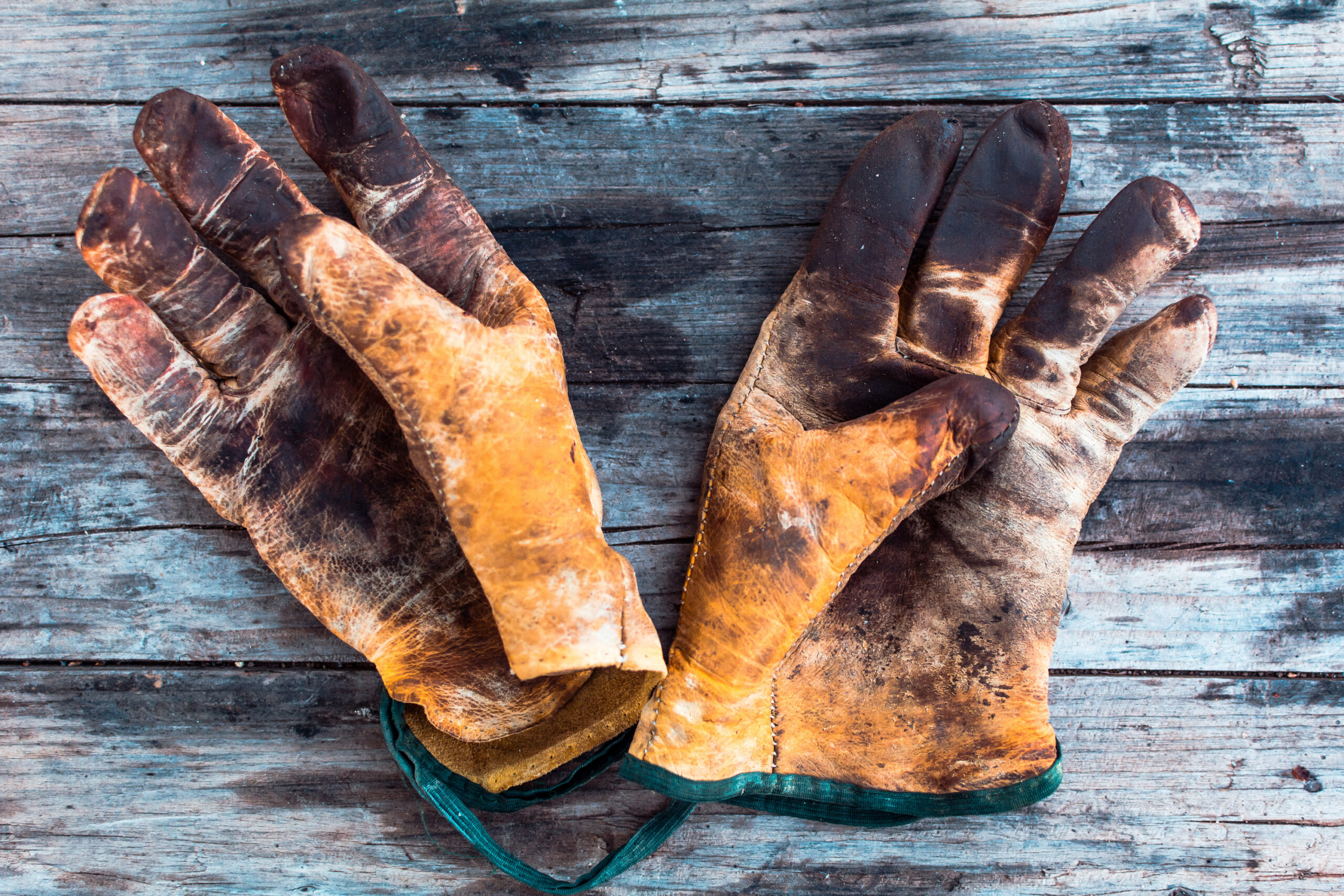
Some safety equipment can withstand extended periods of standard use, and even if gloves or hard hats, for example, show signs of dirt, scuffs or marks, they may still be usable. However, there is a point where this becomes excessive and unsafe. At this point the employer is reliant on the employee to be aware and vigilant and to report safety equipment that requires replacing.
-
Malfunctioning equipment
Changes in equipment behaviour can sometimes cause breakdowns or can slow a process down. When this becomes noticeable, it may not have caused a safety risk at this point, but it may be an indication that the equipment is no longer fit for purpose and needs replacing. Safety teams should have a good handle on how long certain operations should normally take, or what an expected output is, and if something is slowing processes down, or causing interruptions, an investigation could lead to safety equipment underperforming and needing to be replaced.
-
Regular service and maintenance
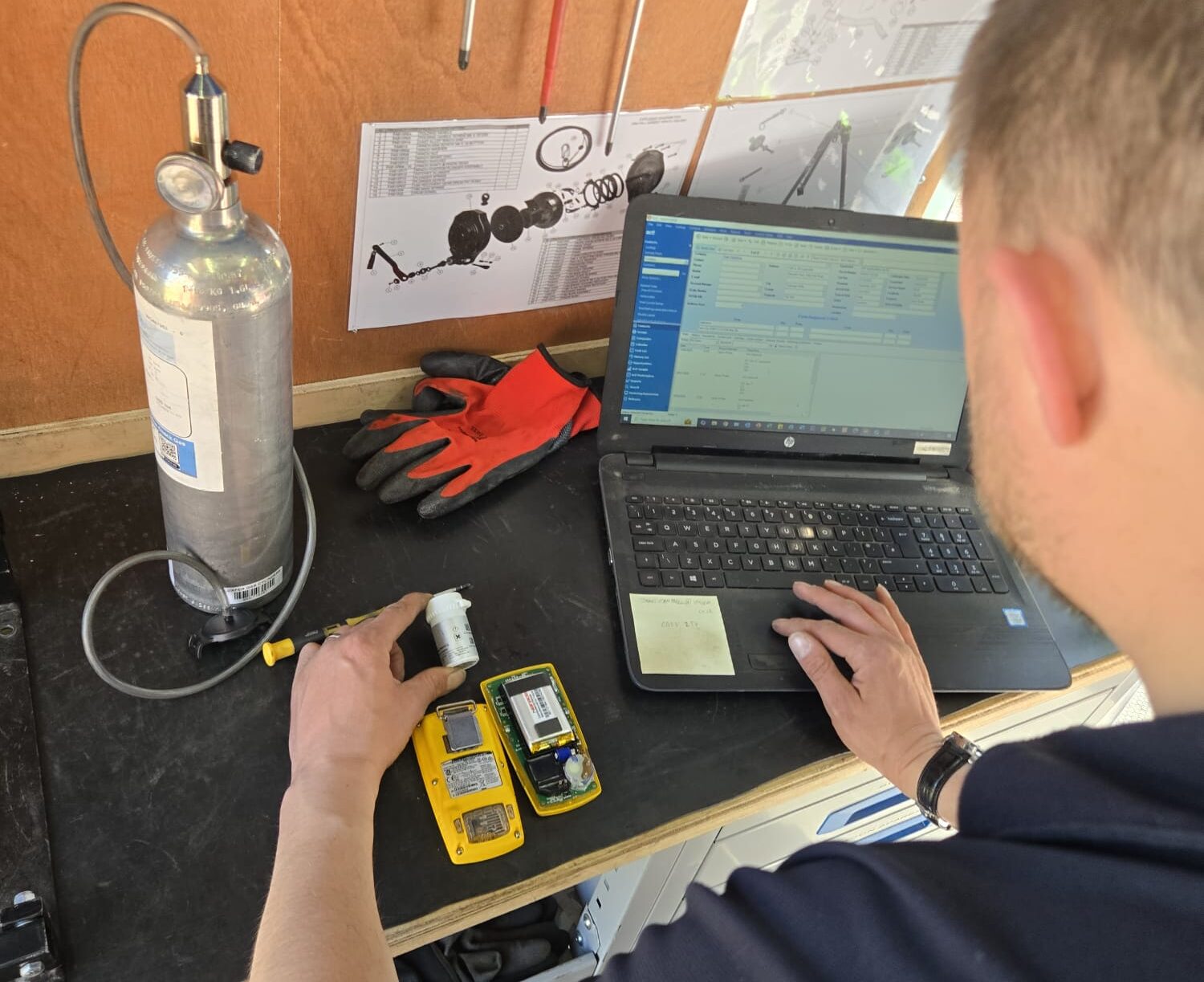
Any good safety system should include regular inspection, servicing and maintenance of appropriate safety equipment. This ensures that items are closely monitored and that any defects, damage, excessive wear or underperformance is identified and rectified. This system should extend to users being trained in the practice of a quick visual inspection each time a piece of safety equipment is used.
-
Injuries and incidents
It is possible that a worn, damaged or malfunctioning piece of safety equipment leads to an injury, safety incident or even a fatality. Obviously you need procedures in place to identify issues with safety equipment long before this occurs, as outlined in the various points above, but this is a clear indication that a piece of safety equipment requires replacing.
Safety equipment should be replaced immediately if it is damaged, excessively worn or defective. And this can be identified in various ways. All safety equipment has a limited lifespan and it is essential that employers adhere to these indicators listed above and to general guidelines and recommendations offered.
Regular servicing and maintenance of safety equipment is the best way to be proactive in identifying problems and is effective in providing an accurate indication that an item may need replacing, before it potentially causes an incident or injury. At Civil Safety we can carry out this servicing and maintenance of safety equipment for you, either in-house or on-site, so contact our team today.